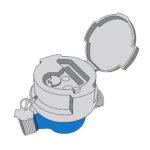

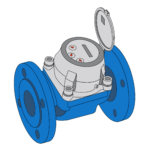

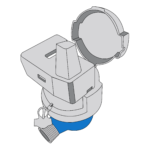

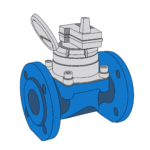
يبدو استبدال العداد على مستوى المدينة أمرًا بسيطًا على الورق. شراء متر, مبادلة متر, إرسال الفواتير. في الحياة الحقيقية, أرى مواطنين غاضبين, جداول متأخرة, والعناوين التي لا يريدها منفعة.
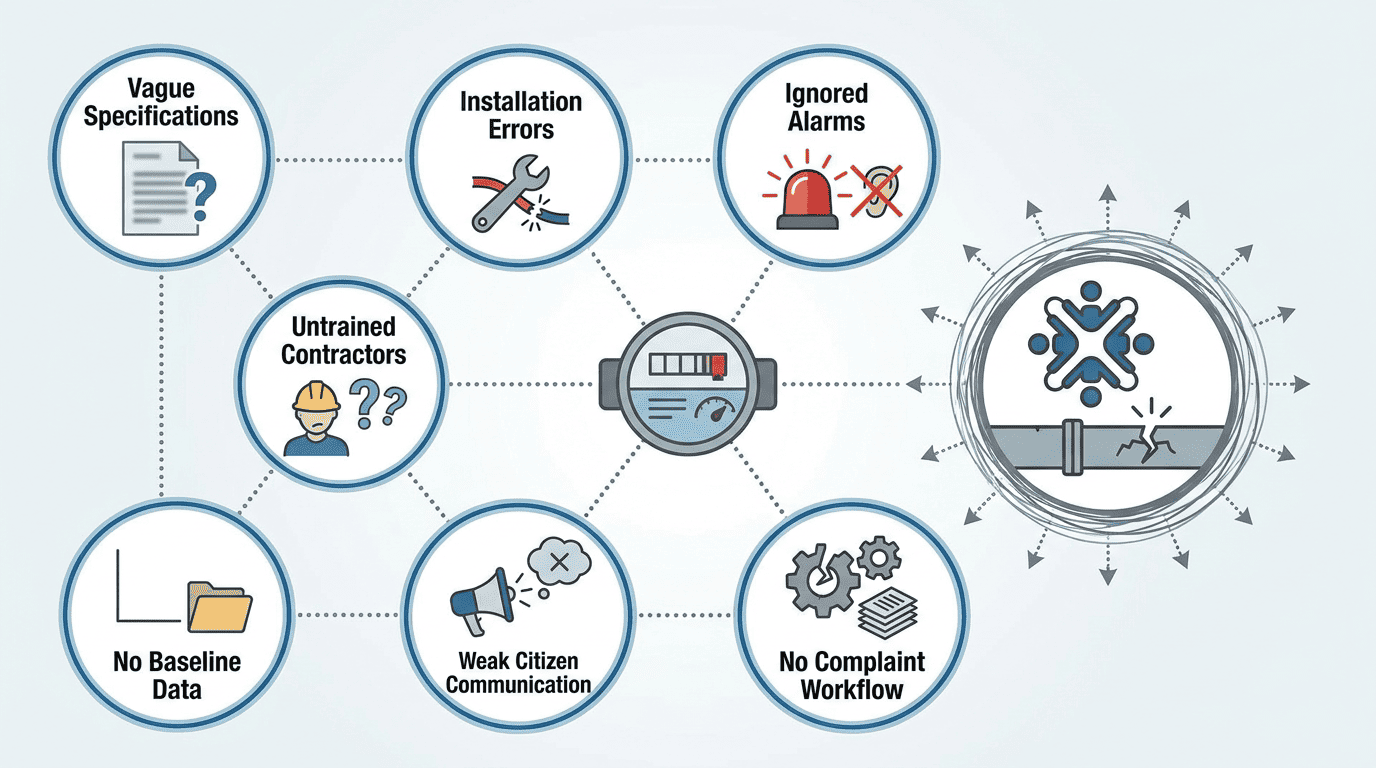
أرى سبعة مخاطر خفية لاستبدال عدادات المياه البلدية: مواصفات ضعيفة, المقاولون غير المدربين, ضعف التواصل مع المواطنين, أخطاء التثبيت, تجاهل الإنذارات, ضعف التعامل مع الشكاوى, وخطوط الأساس للبيانات المفقودة. غالبًا ما تواجه المدن التي ليس لديها تدريب واضح وسير عمل الشكاوى ضغوطًا إعلامية وتقنية مشتركة.
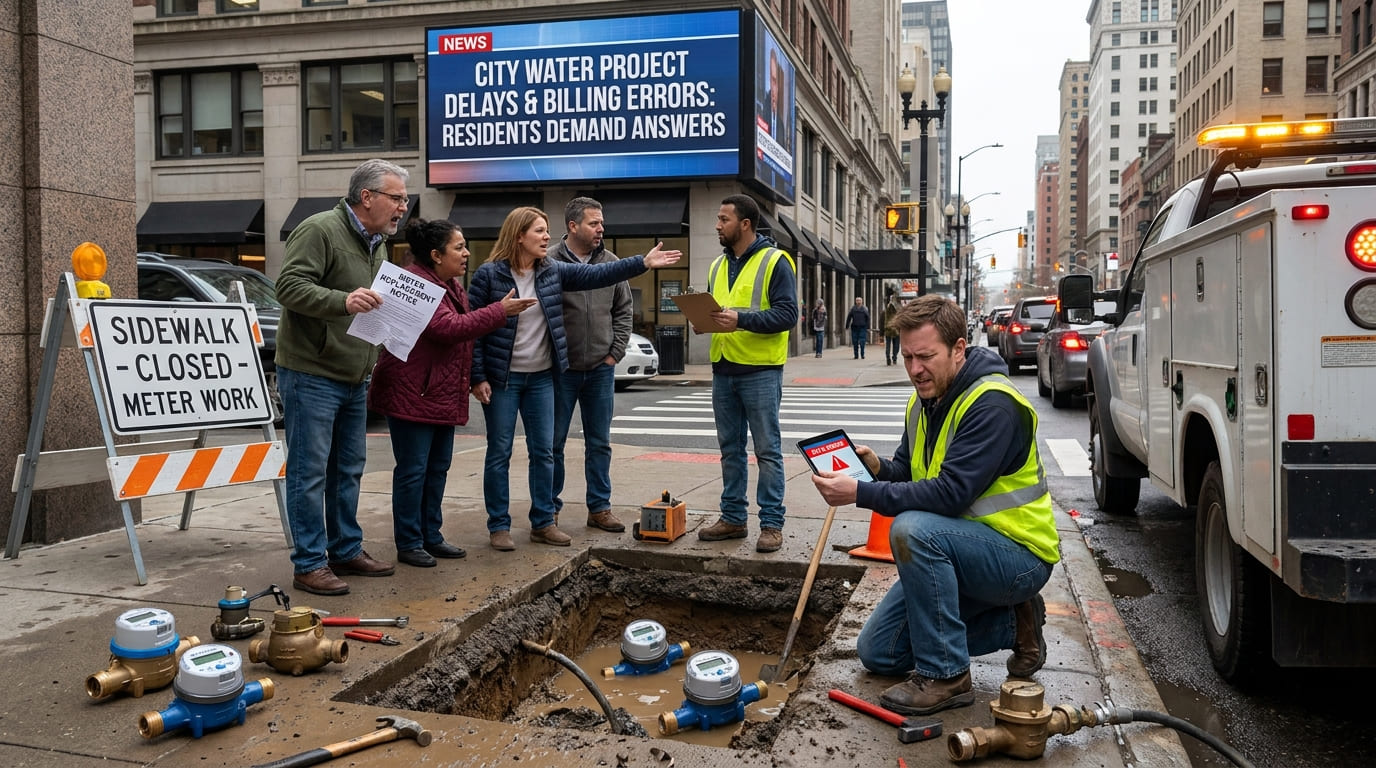
لقد اطلعت على ملفات الشكاوى من العديد من مشاريع المدينة. نفس الأنماط تتكرر. الجزء الفني لا يكاد يكون أسوأ مشكلة. المشكلة الأسوأ هي الفجوة بين الواقع الفني وتوقعات المواطنين, وعدم وجود خطة حقيقية للتعامل مع الشكاوى عند ارتفاعها. في هذا المنصب, أشارك ما تعلمته من تلك الملفات, وأقدم قائمة مرجعية عملية يمكن أن تستخدمها المرافق من قبل, خلال, وبعد طرحها.
لماذا تطلق المدن برامج استبدال العدادات؟?
العدادات القديمة تحت القراءة. العدادات القديمة تفشل. لا تستطيع العدادات القديمة التحدث إلى النظام. أرى المدن تستبدل العدادات لإصلاح المشاكل الثلاث في وقت واحد.
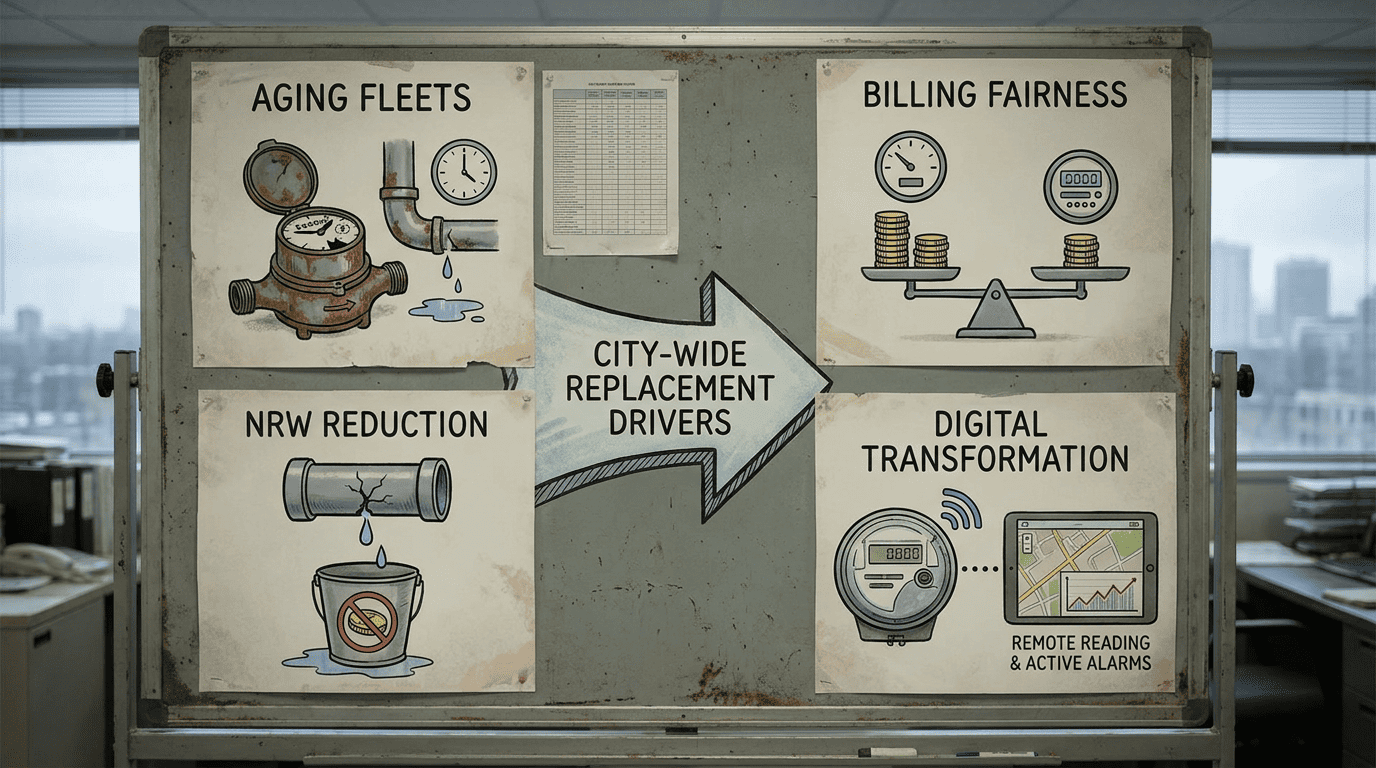
أرى أربعة محركات رئيسية للاستبدال على مستوى المدينة: الأساطيل الميكانيكية القديمة, NRW reduction targets, عدالة الفواتير, والتحول الرقمي نحو أنظمة المياه الذكية مع القراءة عن بعد والإنذارات النشطة.
ماذا تريد المدن من الأسطول الجديد؟
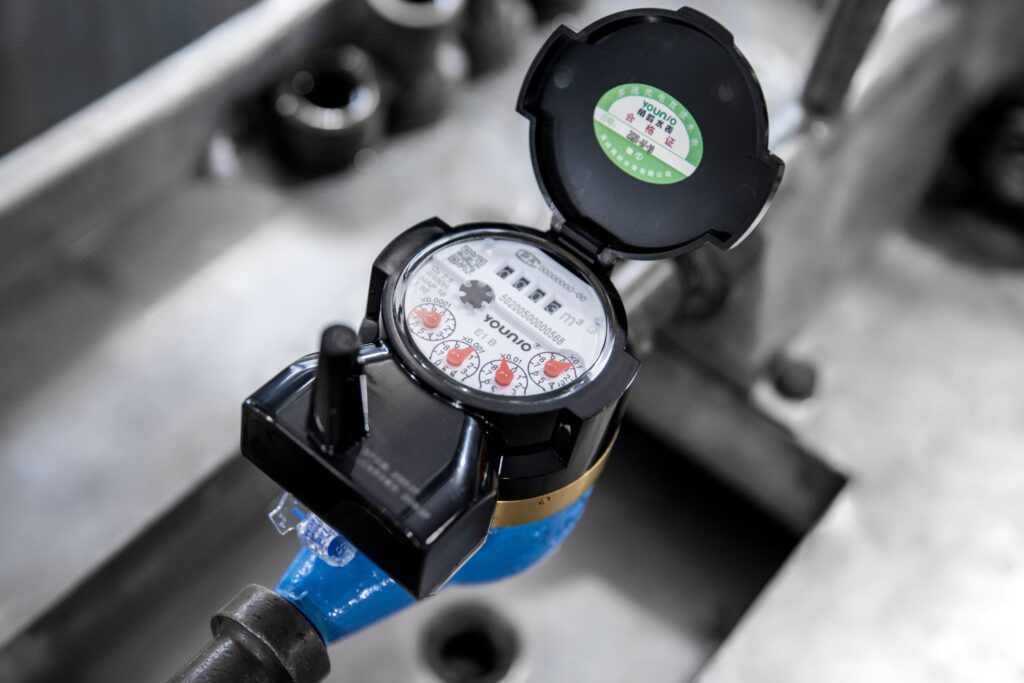
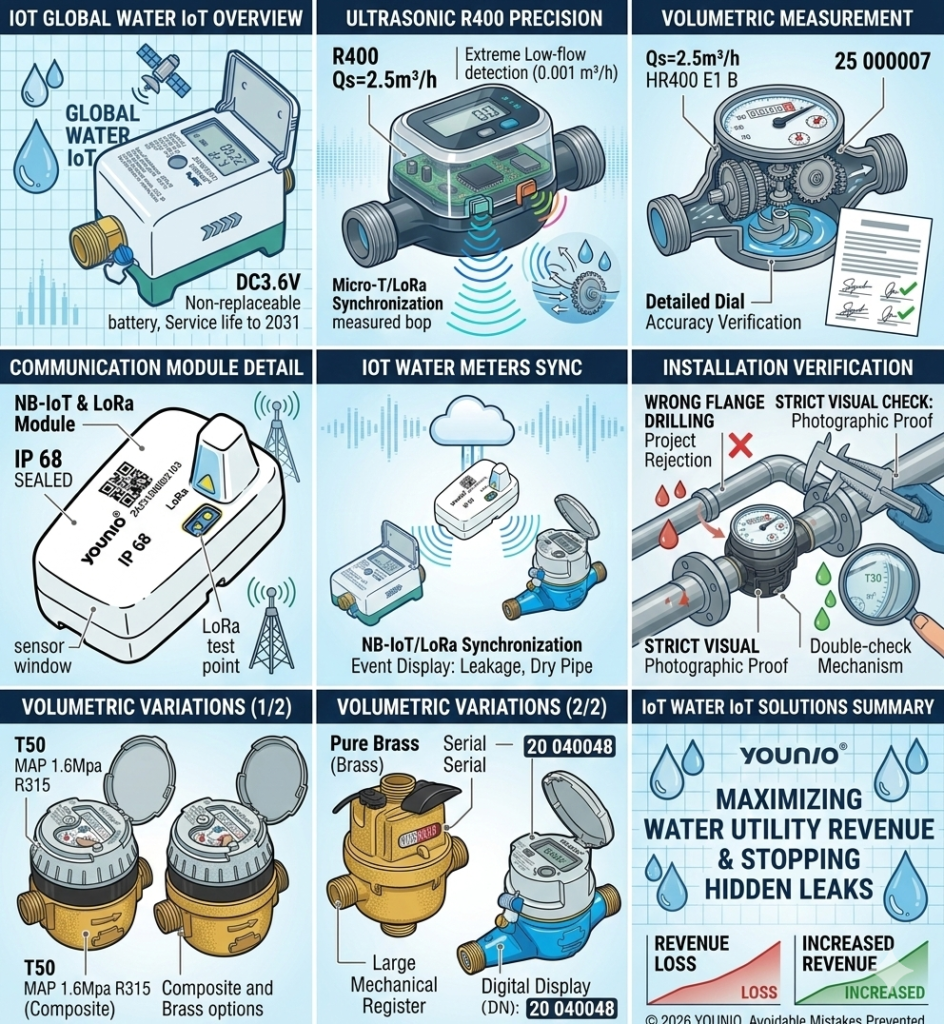
أسأل كل فائدة نفس السؤال: ماذا تريد من الأسطول الجديد? الإجابات عادة ما تتداخل. إنهم يريدون قياسًا دقيقًا وفقًا للمعايير الحديثة, مع التحقق على أساس JJG 162-2009 for cold-water meters or ISO 4064:2014 / OIML R49-2013 لأجهزة قياس الموجات فوق الصوتية. يريدون القراءة عن بعد. يرتبط جهاز قياس الموجات فوق الصوتية الذكي بمجمع البيانات اللاسلكي GSM ويستخدم شبكة GSM العامة المتنقلة لتشكيل نظام مراقبة لاسلكي, سهولة الإدارة وتوفير تكاليف التشغيل. يريدون بيانات الحدث: يقوم النظام بالإبلاغ بشكل نشط عن المعلومات غير الطبيعية من شبكة خطوط الأنابيب, بما في ذلك التسريبات, رشقات نارية, الاتجاه الخاطئ, وأحداث عدم التدفق. إنهم يريدون طريقًا نحو تكامل المدينة الذكية, which is exactly what NB-IoT عداد المياه الذكي projects support as a node for IoT and smart city construction. الأسطول الجديد ليس مجرد أجهزة. إنها منصة البيانات.
| سائق | ما تتوقعه المدينة | مصدر |
|---|---|---|
| أسطول الشيخوخة | فئة الدقة الحديثة | ISO 4064 / ججج 162 |
| شمال الراين - وستفاليا | إنذارات التسرب/الانفجار النشطة | الإبلاغ عن الأحداث |
| عدالة الفواتير | قراءات موثوقة | قائمة العدادات الذكية |
| المدينة الرقمية | تكامل إنترنت الأشياء | NB-IoT المقياس الذكي |
سبعة مخاطر مخفية نراها في المشاريع الحقيقية?
نادراً ما تتعلق المخاطر بجهاز القياس نفسه. يجلسون في المواصفات, الناس, والاتصالات.
أرى سبعة مخاطر خفية: مواصفات غامضة, أخطاء التثبيت, تجاهل الإنذارات, المقاولون غير المدربين, ضعف التواصل مع المواطنين, لا يوجد سير عمل شكوى, ولا توجد بيانات أساسية. كل واحد وحده يمكن التحكم فيه; معًا يخلقون أزمة عامة.
المخاطر السبعة في كلمات واضحة
أدرج كل خطر بكلمات واضحة. خطر واحد: مواصفات شراء غامضة تتجاهل جودة المياه الحقيقية. الخطر الثاني: أخطاء التثبيت, مثل اتجاه التدفق الخاطئ أو المقاطع القصيرة المستقيمة, والتي تسبب قراءات سلبية أو بيانات عشوائية. خطر ثلاثة: تجاهل الإنذارات, مثل أحداث التسرب أو الانفجار التي يقوم النظام بالإبلاغ عنها بشكل نشط ولكن لا أحد يقرأها. خطر أربعة: المقاولون غير المدربين الذين يتخطون الخطوات ويخالفون القاعدة التي تنص على أن التثبيت يجب أن يتبع التصميم الهندسي الاحترافي للموقع, بدون تعديل بدون إذن المهندس. خطر خمسة: ضعف التواصل مع المواطنين قبل تغيير الفواتير. خطر ستة: لا يوجد سير عمل شكوى, لذلك تصبح كل مكالمة حالة طوارئ. خطر سبعة: لا توجد بيانات أساسية, لذلك لا تستطيع الأداة المساعدة إثبات قراءة العداد الجديد بشكل صحيح مقارنة بالمقياس القديم. وتواجه المدن التي تفتقد هذه المخاطر مشكلات فنية وضغوطًا إعلامية في نفس الوقت.
| مخاطرة | علامة نموذجية | التخفيف |
|---|---|---|
| مواصفات غامضة | جودة المنتج مختلطة | مرجع ISO 4064 / منتصف |
| أخطاء التثبيت | القراءة السلبية [3] | تصميم بقيادة المهندس |
| تجاهل الإنذارات | إصلاحات التسرب المتأخرة | نظام الإبلاغ النشط |
| مقاولين غير مدربين | اتجاه خاطئ, موقف سيء | تمرين + مراجعة |
| اتصالات ضعيفة | غضب المواطن | معلومات ما قبل الإطلاق |
| لا يوجد سير عمل | خلافات طويلة | تعريف نص الشكوى |
| لا يوجد خط الأساس | "New meter reads high" | قديم مقابل. بيانات المقارنة الجديدة |
مواصفات المشتريات مقابل ظروف العالم الحقيقي?
المواصفات المكتوبة في المكتب ليست مواصفات لأنبوب مدينة حقيقي. أرى هذه الفجوة في كل مشروع مشكلة.
أقوم بسد الفجوة عن طريق كتابة المواصفات التي تسمي المعايير, خيارات الاتصال, ميزات التنبيه, وقواعد التخزين. ISO 4064:2014, أويمل R49-2013, و ججج 162-2009 إعطاء قاعدة يمكن الدفاع عنها, بالإضافة إلى تقارير الأحداث وقواعد البطارية من جهاز القياس نفسه.
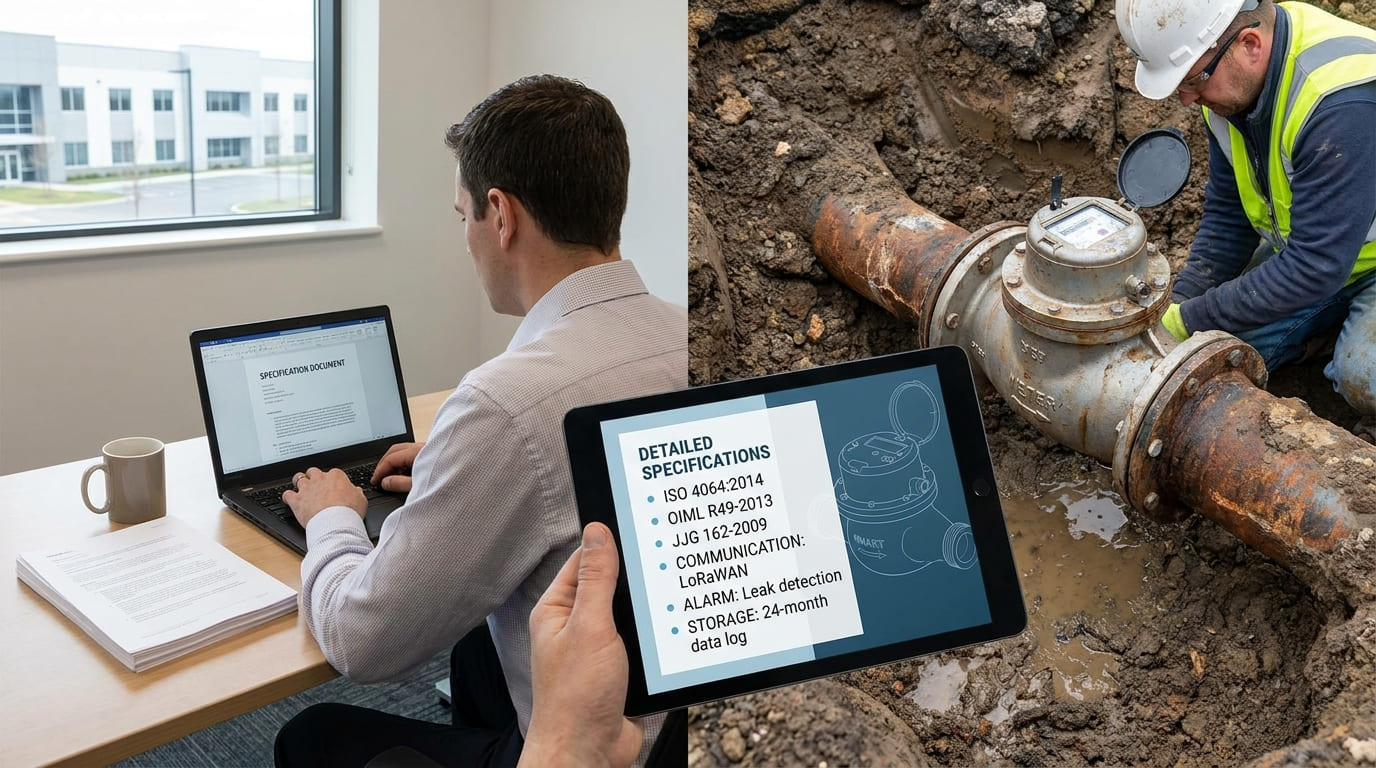
ما أضعه في المواصفات القوية
لقد وضعت أربع كتل في مواصفات قوية. الكتلة الأولى هي علم القياس: يجب أن تتوافق العدادات مع ISO 4064:2014 وOIML R49-2013, بنسب R250 أو R400 ومسح Q1, Q2, س3, قيم Q4 لكل قطر. للمشاريع الصينية, ججج 162-2009 تعتبر لائحة التحقق من عدادات المياه الباردة هي المرجع القانوني. الكتلة الثانية هي الاتصالات والأحداث: يجب أن يدعم جهاز القياس القراءة عن بعد والإبلاغ عن التسرب بشكل فعال (تدفق طويل أكثر من 24 ساعة), ينفجر (تدفق كبير لوقت محدد), الاتجاه الخاطئ, عدم التدفق, وأحداث البطارية المنخفضة. الكتلة الثالثة هي البيئة: فئة الحماية, درجة حرارة متوسطة, درجة حرارة التخزين, وعمر البطارية ≥ 8 سنوات للعدادات بالموجات فوق الصوتية. الكتلة الرابعة هي الخدمات اللوجستية والتخزين: يتم تخزين جهاز القياس في العبوة الأصلية عند درجة حرارة 5-40 درجة مئوية, في الهواء الخالي من الغازات المسببة للتآكل, مع التراص لا يزيد عن 5 صناديق. بهذه الكتل, المواصفات تطابق الواقع, ليس كتيبا.
| كتلة المواصفات | المحتوى الرئيسي | مصدر |
|---|---|---|
| علم القياس | ISO 4064 / Oiml / ججج 162 | |
| الأحداث | أجهزة إنذار للتسرب/الانفجار/الاتجاه/عدم التدفق | |
| بيئة | البطارية ≥8 سنوات, فئة الملكية الفكرية | |
| تخزين | 5-40 درجة مئوية, لا يوجد غاز قابل للتآكل, ≥5 صناديق |
أبحث عن مورّد موثوق لأجهزة قياس المياه?
تقوم شركة YOUNIO بتصنيع عدادات المياه الميكانيكية والموجات فوق الصوتية من DN15 إلى DN500, معتمد من MID وتم اختباره وفقًا لـ ISO 4064. عينات مجانية وتقارير اختبار المصنع متاحة للمشترين المؤهلين.
تدريب المقاولين ومراقبة الجودة على نطاق واسع?
مدينة تحل محل عشرات الآلاف من الأمتار. حتى معدلات أخطاء التثبيت الصغيرة تخلق موجات شكوى كبيرة.
لقد قمت بقطع أخطاء التثبيت باستخدام أداتين: قصير, تدريب قابل للتكرار للمقاولين, and quality audits keyed to the meter’s own troubleshooting points — flow direction, أقسام مستقيمة, موضع, والتخزين.
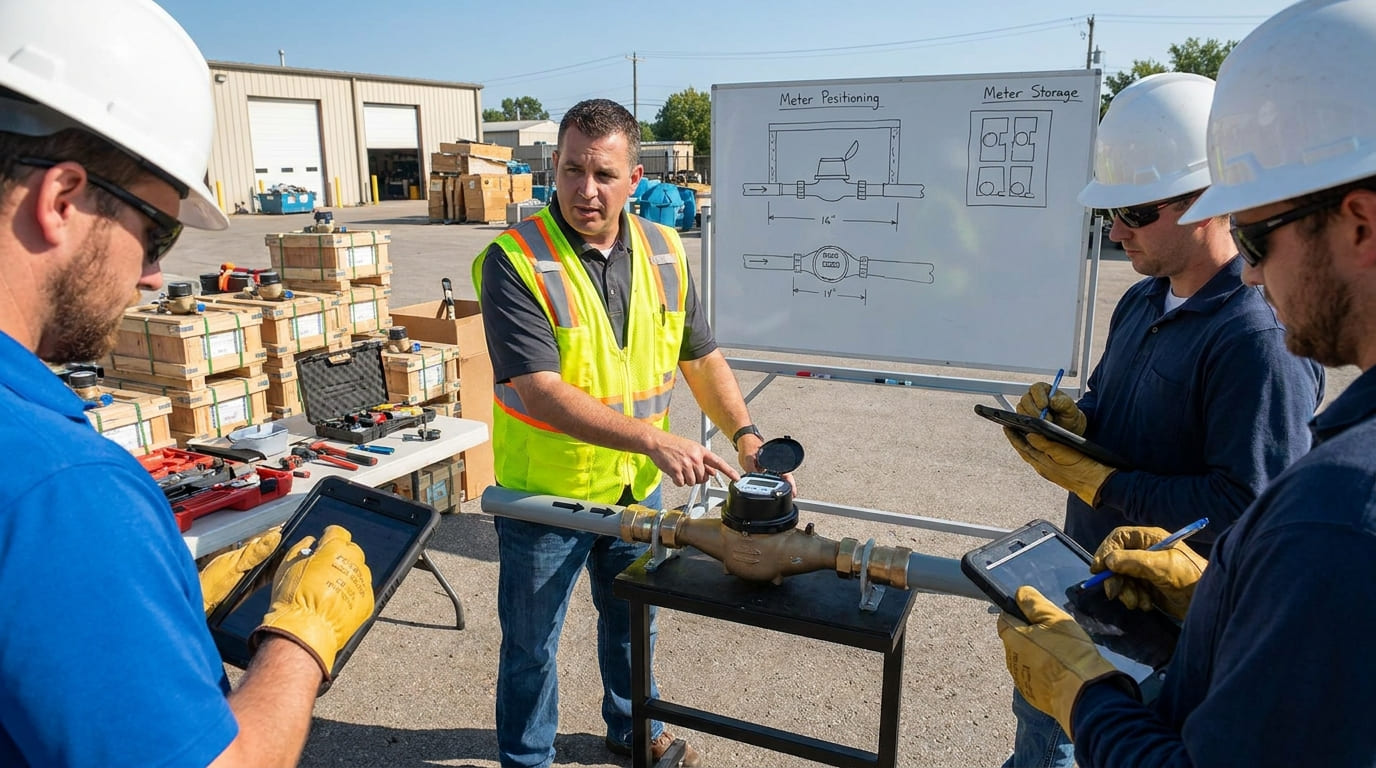
ما أقوم بتدريبه وما أقوم بمراجعته
أقوم بتدريب المقاولين على عدد قليل من النقاط وتدقيق نفس النقاط. أولاً, يجب أن يتبع التثبيت التصميم الهندسي الاحترافي للموقع, والتعديل بدون إذن المهندس ممنوع منعا باتا. ثانية, يجب أن يتطابق اتجاه التدفق مع السهم; وإلا فإن قراءة العداد سلبية والخطوة الأولى لاستكشاف الأخطاء وإصلاحها هي التحقق مما إذا كان الاتجاه معكوسًا. ثالث, يجب أن يوفر موضع التثبيت أنبوبًا كاملاً مع أقسام مستقيمة مناسبة; قسم مستقيم قصير, منحنى كبير, أو قطر الأنبوب الكبير قبل الجدول يسبب بيانات غير طبيعية أو عشوائية. الرابع, يجب أن يحترم التخزين في الموقع درجة حرارة تتراوح من 5 إلى 40 درجة مئوية وأن يكون خاليًا من الغازات المسببة للتآكل, مع التراص ≥ 5 صناديق. الخامس, قبل التنشيط, يقوم المقاولون بفحص شاشة LCD بحثًا عن رمز انخفاض البطارية, نظرًا لأنه يجب استبدال البطارية المنخفضة في أسرع وقت ممكن. أقوم بربط كل نقطة تدريب بمربع اختيار للتدقيق من سطر واحد بحيث يتم قياس مراقبة الجودة عبر آلاف المنشآت.
| نقطة التدريب | فحص التدقيق | مصدر |
|---|---|---|
| التصميم الهندسي | الرسم المعتمد في الموقع | |
| اتجاه التدفق | السهم يطابق التدفق | |
| أقسام مستقيمة | لا يوجد انحناء قصير قبل المتر | |
| تخزين | 5-40 درجة مئوية, ≥5 صناديق | |
| بطارية | رمز البطارية المنخفضة لشاشات الكريستال السائل |
التواصل مع المواطنين أثناء الاستبدال?
Most "meter scandals" قرأت هي فضائح الاتصالات. العداد يعمل; الرسالة لم تفعل ذلك.
أخطط للتواصل مع المواطنين على ثلاث مراحل: قبل (لماذا نستبدل), خلال (ما يمكن توقعه في المنزل), وبعد (كيف تقرأ مشروع القانون الجديد). بدون هذه الخطة, وحتى القراءات الصحيحة تثير الغضب والتغطية الإعلامية.
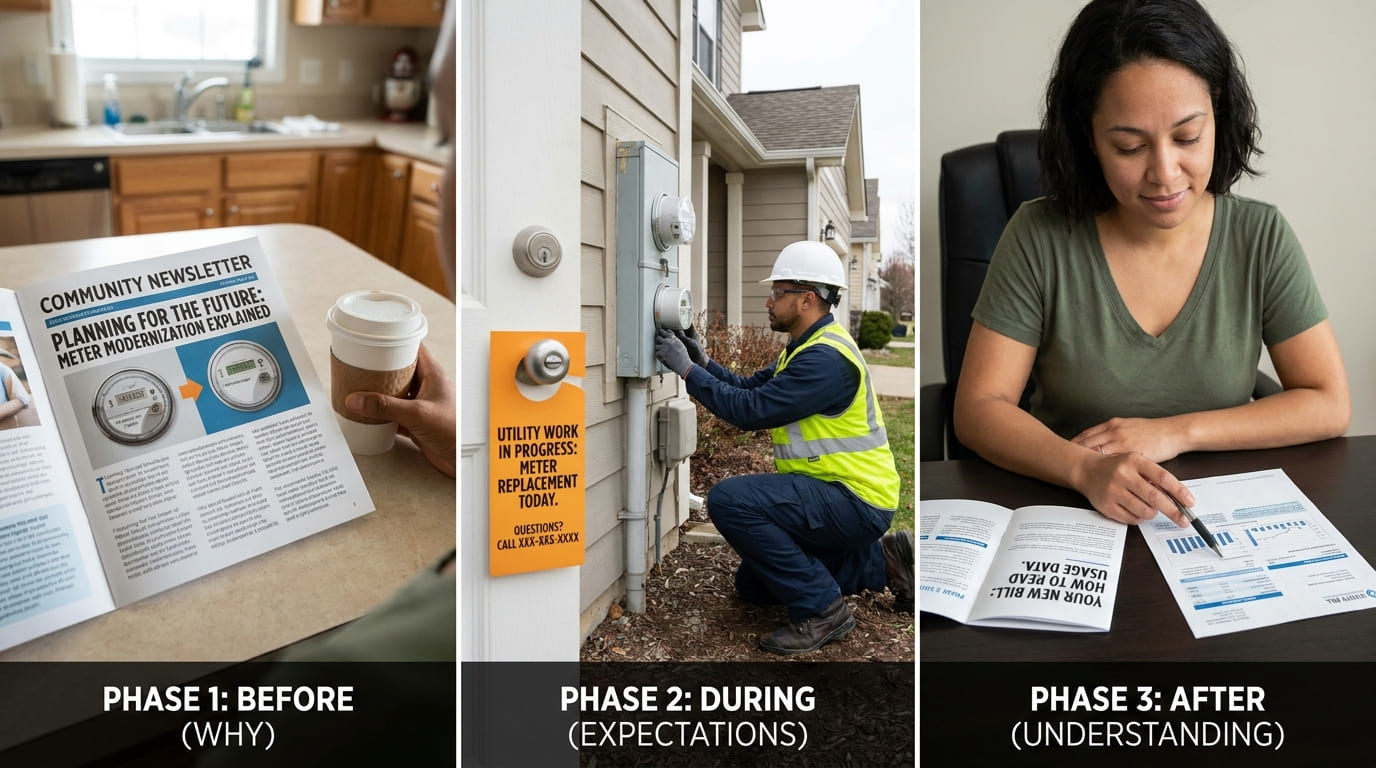
ما أقوله للمواطنين في كل مرحلة
قبل الاستبدال, أخبر المواطنين بما يفعله العداد الجديد وما لا يفعله. أشرح أن العداد الذكي يبلغ عن أحداث غير طبيعية مثل التسرب (24ح الجري) وانفجر (تدفق كبير مع مرور الوقت) بنشاط للنظام, مما يحميهم في الواقع من الفواتير الضخمة المخبأة في الجدران. أثناء الاستبدال, أقول لهم ما يرونه في المنزل: عداد صغير بالموجات فوق الصوتية أو الميكانيكية, شاشة LCD بها قوائم توضح التدفق الفوري, التدفق التراكمي, وقت العمل, والتاريخ, قابلة للتبديل بواسطة قضيب مغناطيسي. وأحذر أيضًا من أن رمز انخفاض البطارية قد يظهر بمرور الوقت وأن الأداة المساعدة ستستبدل البطارية. بعد الاستبدال, أشرح كيف تظهر القراءة الجديدة على الفواتير, وأشارك أساسيات استكشاف الأخطاء وإصلاحها: القراءة السلبية تعني أن الفريق يتحقق من اتجاه التدفق أولاً. الرسائل الواضحة تحول العداد الجديد من تهديد إلى خدمة.
| مرحلة | رسالة | مصدر |
|---|---|---|
| قبل | أجهزة الإنذار الذكية تحميك | |
| خلال | قائمة LCD وأساسيات العداد | |
| بعد | كيفية قراءة الفاتورة | |
| في أي وقت | ما يجب القيام به عند القراءة السلبية |
ما الذي تخبرنا به بيانات الشكوى بعد طرحها؟?
الشكاوى ليست ضجيجا. إنها بيانات. قرأتها مثل خريطة خطأ للمشروع.
أقوم بتجميع شكاوى ما بعد النشر في أربع مجموعات: شكاوى ارتفاع الفاتورة, شكاوى انخفاض القراءة, تثبيت الشكاوى, وشكاوى الاتصالات. تعمل سجلات أحداث العدادات الذكية والبيانات المخزنة على تحويل كل مجموعة إلى مشكلة قابلة للحل, ليست حجة.
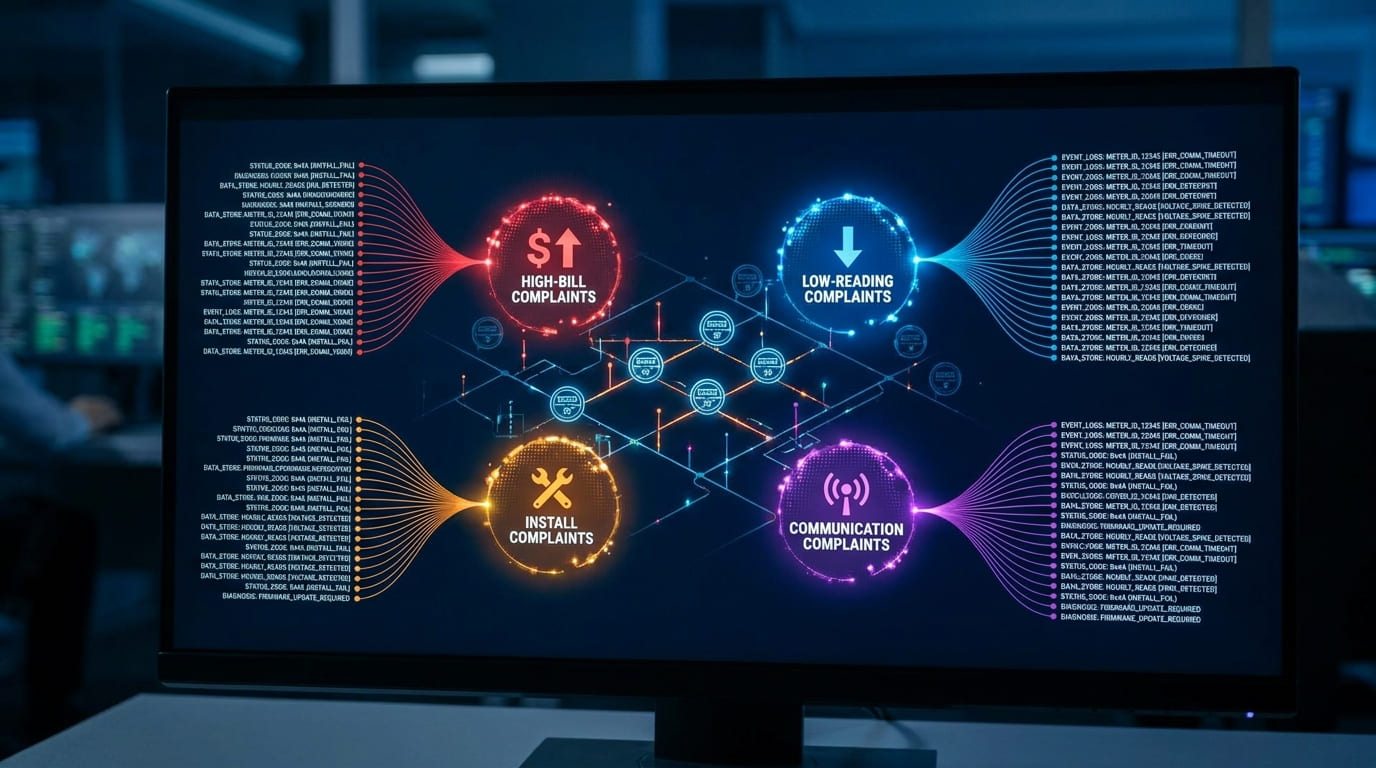
كيف أستخدم بيانات الشكوى
I use complaint data with the meter’s own records. للشكاوى المتعلقة بارتفاع الفاتورة, أتحقق من إنذار التدفق الطويل: إذا أبلغ المقياس عن تدفق مستمر لمدة 24 ساعة, المستخدم لديه تسرب حقيقي, ليس خطأ متر. لشكاوى انخفاض القراءة, أتحقق من إنذار الاتجاه وملاحظة التدفق العكسي من استكشاف الأخطاء وإصلاحها; إذا تم تركيب العداد في الاتجاه الخاطئ, يقوم النظام بالإبلاغ عن الخطأ وتخزينه بشكل نشط. لتثبيت الشكاوى (بيانات عشوائية, الانجراف), أتحقق من ملاحظات استكشاف الأخطاء وإصلاحها لمعرفة موضع التثبيت غير الصحيح, انخفاض مستوى الماء, أقسام مستقيمة قصيرة, منحنى كبير, أو قطر الأنبوب الكبير قبل العداد. لشكاوى الاتصالات, أتحقق مما إذا كان المواطن قد تلقى رسالة الإطلاق المسبقة وشرح الفاتورة. أنا أعتمد أيضًا على البيانات المخزنة: يُظهر مقياس الموجات فوق الصوتية الذكي التدفق التراكمي, وقت العمل, والتاريخ, مما يعطي جدولاً زمنيًا نظيفًا لأي نزاع. بهذا النهج, تصبح ملفات الشكاوى محركًا للتحسين, ليست أزمة علاقات عامة.
| كتلة الشكاوى | البيانات التي أتحقق منها | مصدر |
|---|---|---|
| فاتورة عالية | إنذار التدفق الطويل (24ح) | |
| قراءة منخفضة | إنذار الاتجاه | |
| تثبيت الانجراف | موضع / قسم مستقيم | |
| بطارية / لا توجد بيانات | تقرير انخفاض البطارية |
قائمة مرجعية عملية لتخفيف المخاطر الخاصة بالمرافق?
التقرير الطويل لا يساعد الأداة المزدحمة. قائمة مرجعية قصيرة تفعل ذلك.
أعطي المرافق قائمة مرجعية قصيرة لمخاطر استبدال عدادات المياه البلدية: المواصفات المعتمدة, عمليات التثبيت التي يقودها المهندس, المقاولون المدربون, رسائل المواطنين, عمليات يحركها الإنذار, مخطوطات الشكوى, والبيانات المخزنة لإثبات. يتم تعيين كل عنصر إلى ميزة جهاز قياس أو قاعدة موثقة.
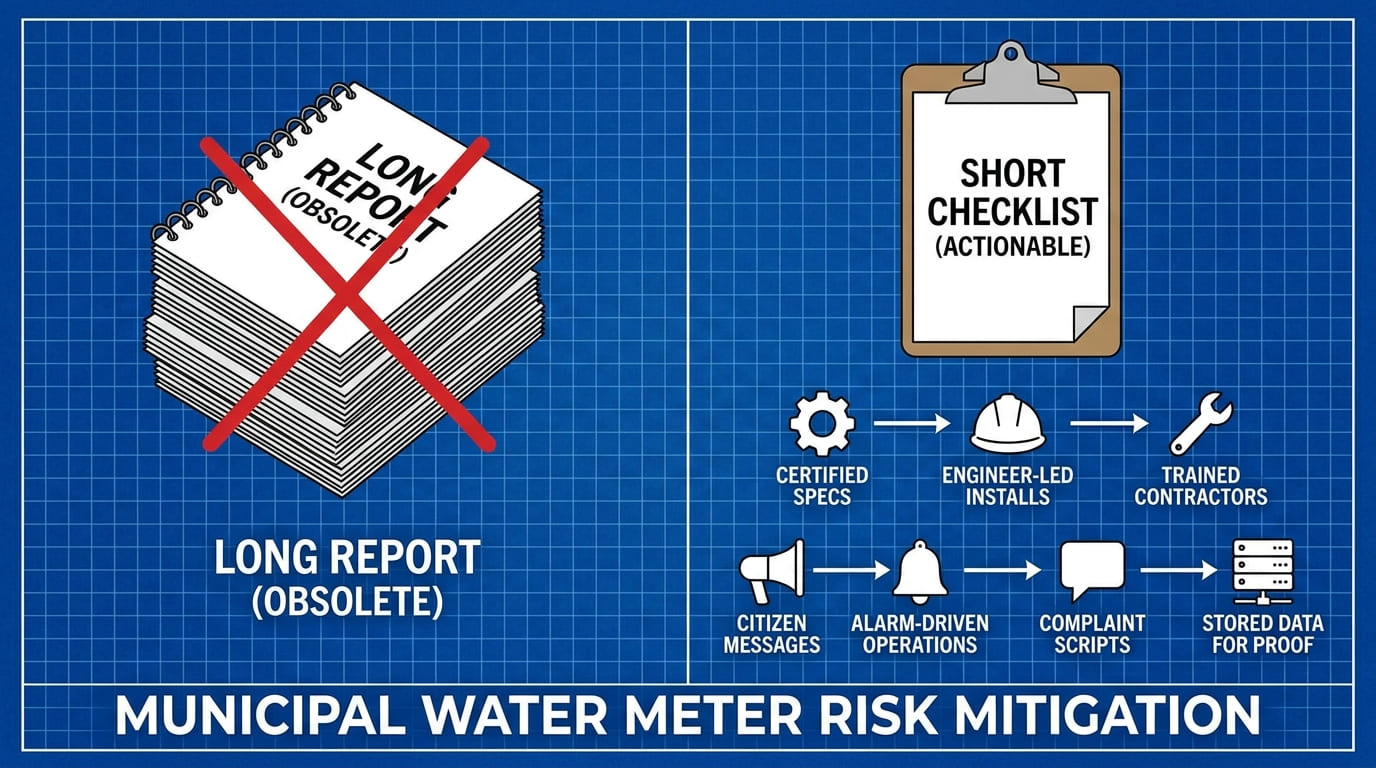
قائمة المراجعة التي أسلمها لمديري المشاريع
أبقي قائمة المراجعة قصيرة عن قصد. البند الأول: مرجع المواصفات ISO 4064:2014, أويمل R49-2013, و ججج 162-2009 حيثما ينطبق ذلك, مع قيم Q1 – Q4 واضحة لكل قطر. البند الثاني: تتبع المنشآت التصميم الهندسي الاحترافي للموقع, مع عدم وجود تغيير غير مصرح به. البند الثالث: يتم تدريب المقاولين على اتجاه التدفق, أقسام مستقيمة, موقف التثبيت, وقواعد التخزين (5-40 درجة مئوية, ≥5 صناديق). البند الرابع: المواطنون يحصلون على ما قبل, خلال-, ورسائل ما بعد الاستبدال تشرح قائمة LCD وما تعنيه الإنذارات. البند الخامس: تعمل فرق العمليات على أجهزة الإنذار القياسية الأربعة – التسرب (تدفق طويل 24 ساعة), ينفجر (تدفق كبير مع مرور الوقت), الاتجاه الخاطئ, وعدم التدفق - يتم الإبلاغ عنها بشكل نشط بواسطة النظام. البند السادس: معالجو الشكاوى يتبعون البرنامج النصي: تحقق من الاتجاه أولاً على القراءات السلبية, التحقق من رمز البطارية على البيانات المفقودة, وسحب الأحداث المخزنة لأي حالة ذات فاتورة عالية. البند السابع: المرافق تحافظ على خط الأساس القديم مقابل. new readings to defend against "the new meter reads too high" المطالبات.
| عنصر قائمة التحقق | مصدر الحقيقة |
|---|---|
| المواصفات المعتمدة | ISO 4064 / ججج 162 |
| التثبيت بقيادة المهندس | قواعد التصميم الهندسي |
| المقاولون المدربون | نقاط استكشاف الأخطاء وإصلاحها |
| رسائل المواطن | شرح قائمة LCD |
| العمليات التي يحركها الإنذار | الإبلاغ عن الأحداث النشطة |
| نص الشكوى | اتجاه + فحص البطارية |
| البيانات الأساسية | قديم مقابل. مقارنة جديدة |
خاتمة
فشل استبدال العدادات على مستوى المدينة على الناس, وليس على الأمتار. مواصفات قوية, المقاولون المدربون, رسائل المواطنين, والعمليات التي تعتمد على الإنذار تحول المخاطر إلى أمر يمكن التحكم فيه, برنامج مدعوم بالبيانات.
أبحث عن مورّد موثوق لأجهزة قياس المياه?
تقوم شركة YOUNIO بتصنيع عدادات المياه الميكانيكية والموجات فوق الصوتية من DN15 إلى DN500, معتمد من MID وتم اختباره وفقًا لـ ISO 4064. عينات مجانية وتقارير اختبار المصنع متاحة للمشترين المؤهلين.