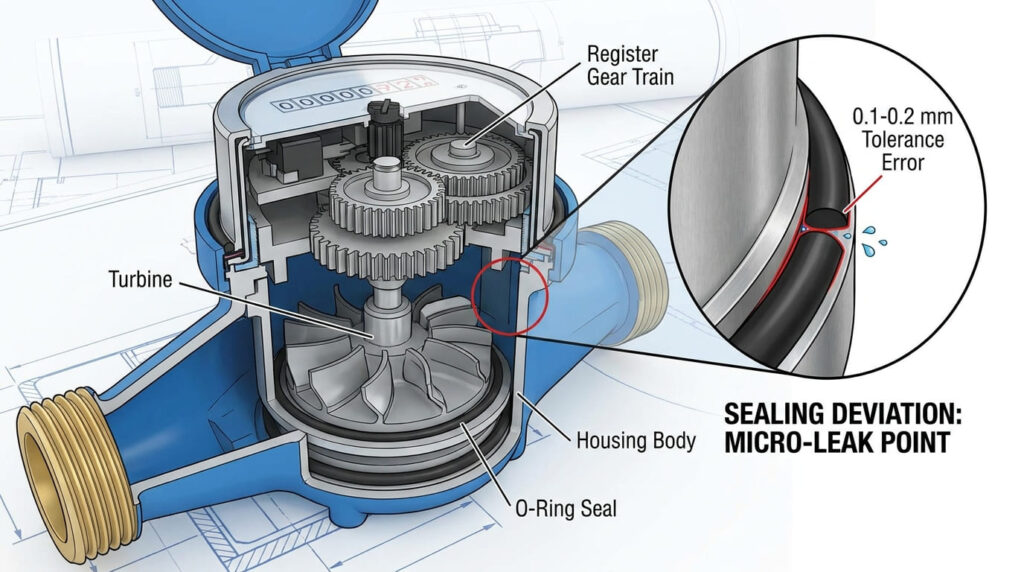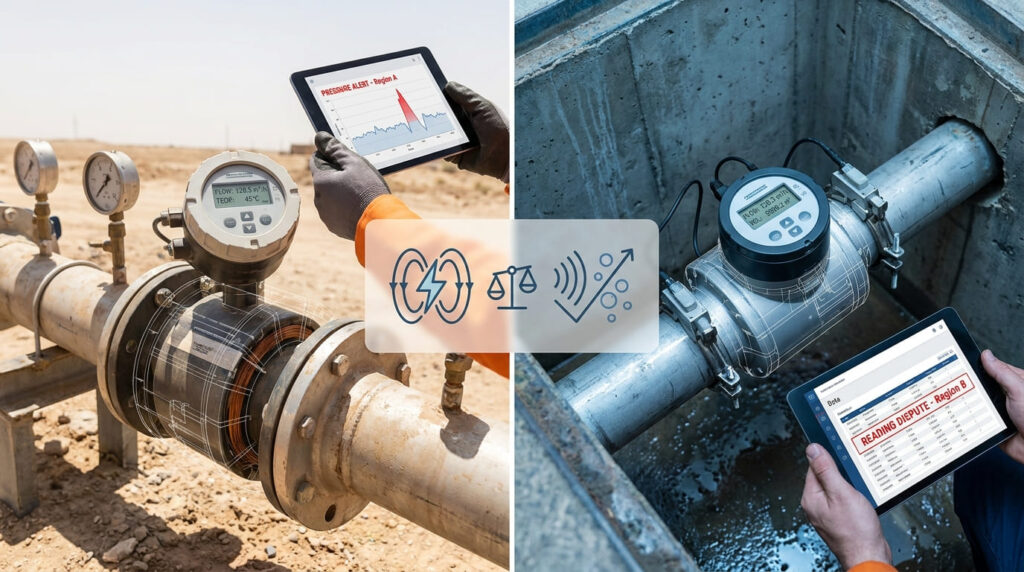

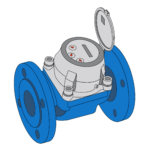

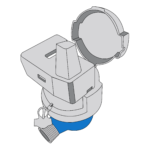

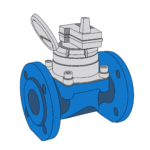

ISO 4064 es la principal familia de estándares internacionales para medidores de agua para agua potable fría y agua caliente., y define el metrológico, técnico, pruebas, informar, no metrológico, y instalación requisitos que fabricantes, utilidades, y los equipos de proyecto utilizan para evaluar el cumplimiento del medidor . Veo esta norma como una de las referencias técnicas más importantes en la industria de la medición de agua., porque proporciona un lenguaje compartido para el desempeño, pruebas, y aceptación en diferentes tecnologías y mercados de medidores.
Si estuviera hablando con un ingeniero de adquisiciones de servicios públicos, un revisor de licitaciones, o un distribuidor de contadores de agua, Yo diría esto muy simplemente: si no entiendes ISO 4064, Le resultará más difícil comparar productos de manera justa., leer hojas de datos correctamente, y controlar el riesgo del proyecto. La norma es importante porque no se trata sólo de precisión en el laboratorio.. También se trata de cuál es el medidor., como se prueba, lo que se informa, y como se debe instalar.
También creo que este artículo debería usarse como un diccionario técnico.. No es necesario leer cada línea de una sola vez.. Puede saltar a la sección que necesita cuando desee verificar las definiciones de flujo, términos de precisión, estructura estándar, o clases de instalación.
Tabla de contenido
- 1. Introducción: ¿Por qué ISO? 4064 Asuntos
- 2. ISO 4064 Descripción general de la estructura estándar
- 3. Evolución: Del viejo estándar al nuevo
- 4. Parámetros de caudal definidos
- 5. Clases de precisión & Error máximo permitido (MPE)
- 6. Clases de instalación (U/D)
- 7. Clases de pérdida de presión (ΔP)
- 8. Tipos de medidores según ISO 4064
- 9. Novedades de ISO 4064:2024
- 10. ISO 4064 frente a OIML R 49 vs AWWA vs otros estándares regionales
- 11. Cómo leer la placa de identificación de un medidor de agua
- 12. Descargar Normas & Documentos de referencia
- 13. Preguntas frecuentes
- 14. Conclusión + llamada a la acción
1. Introducción: ¿Por qué ISO? 4064 Asuntos
ISO 4064 es la familia de estándares internacionales para medidores de agua potable fría y agua caliente que fluyen a través de un sistema completamente cargado., conducto cerrado, y aplica para medidores que indican volumen integrado. Abarca tanto contadores mecánicos como contadores basados en principios eléctricos o electrónicos., así como medidores mecánicos que incluyen dispositivos electrónicos. Ese punto es importante porque mucha gente todavía piensa que ISO 4064 Se trata sólo de medidores mecánicos tradicionales.. No lo es.
en mi trabajo, Yo trato ISO 4064 como referencia base para la comparación técnica. Cuando dos proveedores afirman que “cumplen con ISO,"Quiero saber qué parte de ISO 4064 se refieren a, cómo se hicieron las pruebas, lo que se informó, y qué limitaciones se aplican. Ahí es donde la norma se vuelve práctica..
Para compradores y evaluadores, ISO 4064 ayuda a responder preguntas como estas:
- ¿Qué parámetros de flujo definen el rendimiento del medidor??
- ¿Qué límites de error se aplican??
- ¿Cómo se realizan las pruebas??
- Qué debe aparecer en el registro de prueba?
- ¿Qué condiciones de instalación importan??
- ¿El estándar cubre la tecnología de mi medidor??
Este artículo está destinado a ser una página de referencia extensa.. Puedes usarlo para verificar definiciones., comparar sistemas estándar, y entender cómo ISO 4064 se conecta con OIML R 49 y marcos regionales.
2. ISO 4064 Descripción general de la estructura estándar
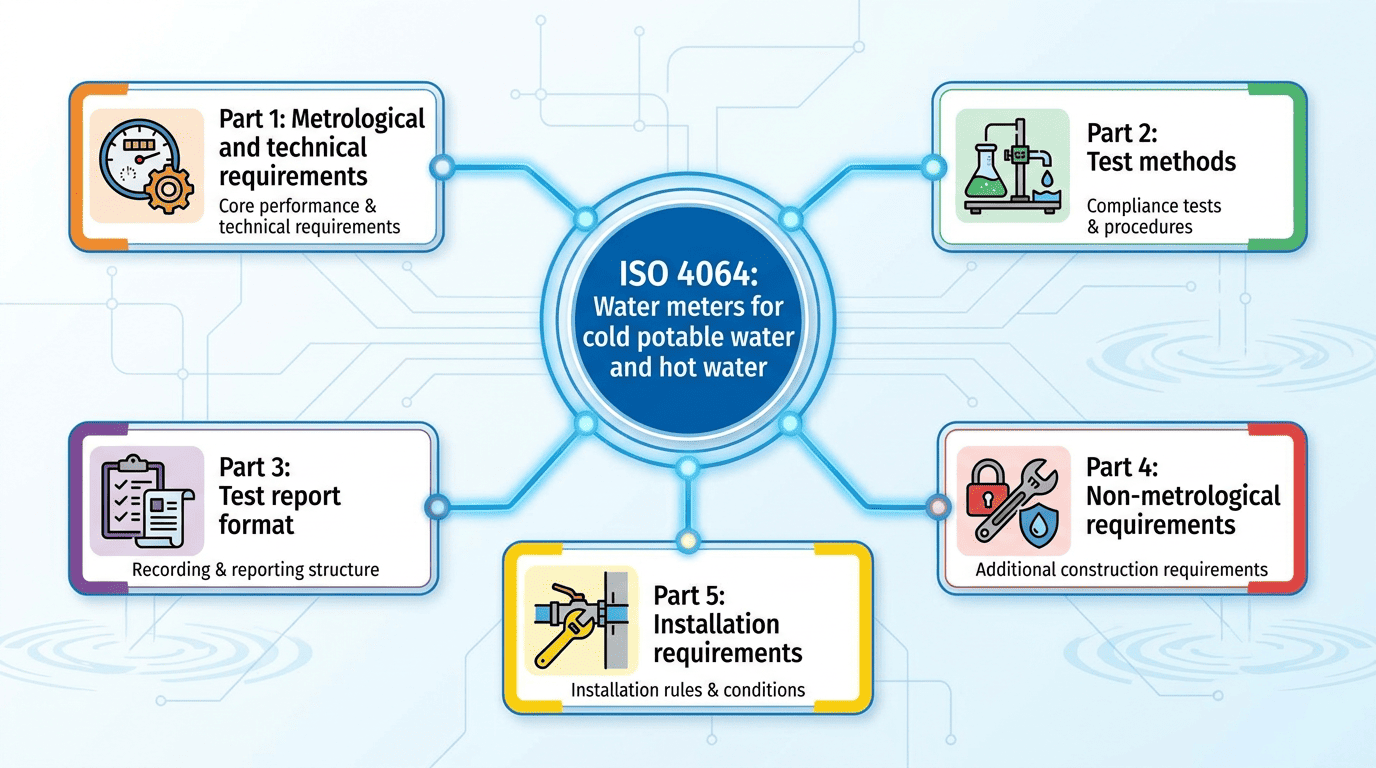
ISO 4064 no es un solo texto. Se trata de una familia estándar de cinco partes bajo el título general Contadores de agua para agua potable fría y agua caliente..
Las cinco partes son:
| Parte | Título | Enfoque principal |
|---|---|---|
| Parte 1 | Requisitos metrológicos y técnicos. | Requisitos técnicos y de rendimiento básicos |
| Parte 2 | Métodos de prueba | Cómo se realizan las pruebas de cumplimiento |
| Parte 3 | Formato del informe de prueba | Cómo se registran y reportan los resultados de las pruebas |
| Parte 4 | Requisitos no metrológicos no cubiertos en ISO 4064-1 | Elementos no metrológicos, como requisitos adicionales relacionados con la construcción. |
| Parte 5 | Requisitos de instalación | Reglas y condiciones de instalación. |
Esta estructura es importante porque la gente suele citar "ISO 4064" de manera muy general.. En realidad, Parte 1 te dice lo que debe cumplir el medidor, Parte 2 te dice como se prueba, Parte 3 le indica cómo está estructurado el informe, Parte 4 cubre requisitos no metrológicos que aún no están cubiertos en la Parte 1, y parte 5 se ocupa de la instalación.
Relación con OIML R 49
ISO 4064:2014 y OIML R 49 estaban muy alineados. De hecho, ISO 4064-1:2014 es idéntico a la edición correspondiente de OIML R 49-1, y ISO 4064-2:2014 es idéntico a la edición correspondiente de OIML R 49-2. Por eso la gente suele llamarlos estándares de “logotipo dual”.. Fueron emitidos simultáneamente y llevan el mismo contenido técnico en las partes correspondientes..
Relación con EN 14154 y MEDIO
Los materiales de referencia que me diste no incluyen el texto de EN. 14154 o MEDIADOS DE 2014/32/UE, entonces debo tener cuidado aquí. Basado en conocimientos generales de la industria., EN 14154 ha estado estrechamente alineado con ISO 4064 en europa, y MID es el marco legal que rige los instrumentos de medición., incluyendo medidores de agua, en el mercado de la UE. En la práctica, Los equipos de adquisiciones a menudo comparan ISO 4064 / OIML R 49 cumplimiento junto con la conformidad MID cuando se trata de proyectos europeos. Pero para una redacción legal exacta, Los lectores deben consultar los textos oficiales EN y MID..
3. Evolución: Del viejo estándar al nuevo
Esta es una de las secciones más importantes porque muchos compradores todavía utilizan un lenguaje de clasificación antiguo en las licitaciones..
3.1 El viejo sistema (ISO 4064:1993)
Bajo el sistema más antiguo, muchos usuarios se refirieron a los medidores de agua por Clase A, B, do, o D, y parámetros de flujo utilizados como Qmín, cuarto, qn, y Qmáx. En el lenguaje cotidiano de la industria, este marco más antiguo todavía es común, especialmente en licitaciones heredadas y en mercados donde los viejos hábitos técnicos siguen siendo fuertes.
El antiguo sistema fue ampliamente utilizado para medidor de agua mecanicos. Un entendimiento común simplificado fue:
- Qmín = caudal mínimo
- cuarto = flujo de transición
- qn = caudal nominal
- Qmáx = flujo máximo
En muchas especificaciones heredadas, La gente también recuerda la idea tradicional del error como:
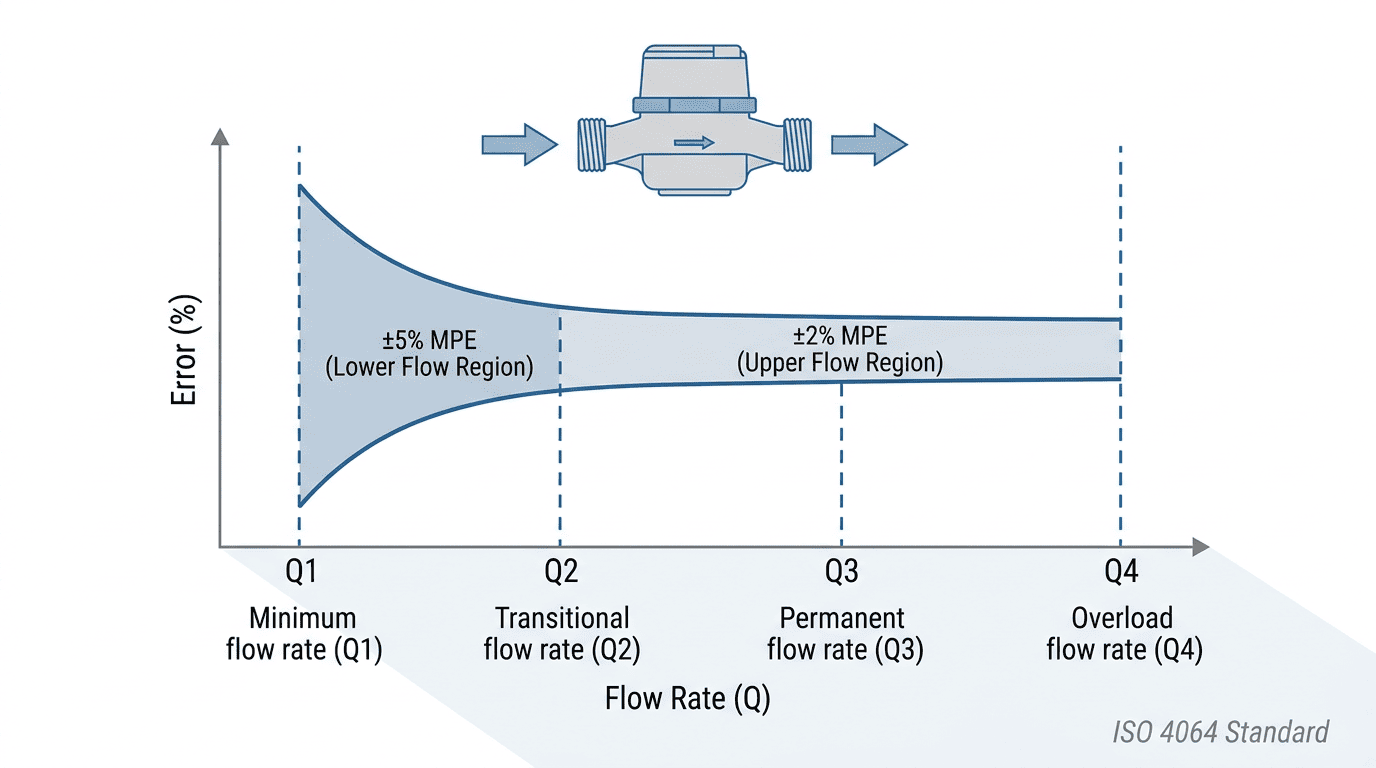
- zona baja: ±5%
- zona superior: ±2%
necesito ser preciso aquí: Estas definiciones antiguas no se citan directamente en los textos de referencia proporcionados., por lo que esta parte se basa en conocimientos establecidos de la industria en lugar de en los extractos suministrados..
3.2 El nuevo sistema (ISO 4064:2014, y actualizaciones posteriores)
La ISO moderna 4064 usos del marco Q1, Q2, Q3, y Q4, y presenta el relación R, definido como la relación entre el caudal permanente y el caudal mínimo. Este nuevo sistema se aplica a una gama más amplia de tecnologías., no sólo medidores mecánicos. ISO 4064-1:2014 establece explícitamente que se aplica a medidores basados en principios mecánicos, Dispositivos basados en principios eléctricos o electrónicos., y contadores mecánicos que incorporan dispositivos electrónicos.
Este cambio es importante porque el mercado ya no compara solo turbinas mecánicas o medidores volumétricos.. Las empresas de servicios públicos ahora comparan los ultrasonidos, electromagnético, y productos híbridos inteligentes también.
La nueva estructura también utiliza Clase de precisión 1 y Clase de precisión 2 en lugar de sólo el antiguo sistema de clases. La tabla MPE moderna exacta siempre debe compararse con el texto estándar oficial actual.. Las referencias proporcionadas confirman la existencia de controles de error máximos permitidos aplicables en las pruebas., incluida la verificación relacionada con la temperatura, pero no proporcionan la tabla completa en los extractos..
3.3 Tabla de mapeo antiguo a nuevo
en el mercado, la gente suele utilizar mapeos aproximados como:
| lenguaje de clase antigua | Comparación moderna común |
|---|---|
| Clase B | A menudo se compara vagamente con alrededor de R80. |
| Clase C | A menudo se compara vagamente con alrededor de R160. |
| Clase D | A menudo asociado con rangos de sensibilidad más altos. |
Pero quiero dar una fuerte advertencia.: no debe tratar las etiquetas de clases antiguas y los valores R modernos como equivalentes exactos. Una comparación adecuada necesita los parámetros de flujo reales., orientación del medidor, condiciones de aplicación, y los datos técnicos exactos aprobados. Una licitación que simplemente dice "Clase B = R80" sin verificar los valores de flujo subyacentes puede crear confusión.
4. Parámetros de caudal definidos
Este es el corazón técnico de la comparación de productos estilo ISO 4064.
Q1: caudal mínimo
Q1 es el caudal más bajo al que se espera que funcione el medidor dentro de los límites de error aplicables en condiciones estándar. En lenguaje práctico de proyecto., Q1 me dice qué tan sensible es el medidor en el extremo bajo.
Q2 — Caudal de transición
Q2 es el punto de transición entre la región de flujo inferior y la región de flujo superior. Marca el cambio en la banda de error aplicable..
Q3 — Caudal permanente
Q3 es uno de los parámetros de marcado y comparación más importantes.. En el sistema moderno, Es el caudal permanente que el medidor puede manejar en condiciones normales de uso..
Q4: caudal de sobrecarga
Q4 es el caudal de sobrecarga. Me dice lo que el medidor puede soportar durante períodos cortos sin dejar de cumplir con las condiciones estándar asociadas con el rendimiento de sobrecarga..
Relación R = Q3 / Q1
El relación R es una herramienta central de comparación moderna. En términos simples, me dice qué tan amplio es el rango de operación útil del medidor entre flujo permanente y flujo mínimo. Una relación R más alta generalmente sugiere una mejor sensibilidad de flujo bajo en relación con el punto de flujo permanente.
Relaciones fijas
En ISO común 4064 uso del sistema, las relaciones fijas generalmente se expresan como:
- Q2 / Q1 = 1.6
- Q4 / Q3 = 1.25
Estas proporciones son conocimientos estándar de la industria y son fundamentales para la presentación de las gamas de medidores de agua modernos..
Por qué esto es importante en proyectos reales
Si estoy comparando dos medidores y ambos dicen “Q3 = 4 m³/h,"Todavía no puedo asumir que funcionan igual con un flujo bajo. Uno puede ser R80. Otro puede ser R160 o R400. eso cambia fuga captura, sensibilidad al flujo nocturno, y comportamiento de submedición.
Valores R típicos vistos en el mercado
Los valores R comunes a menudo incluyen:
- R40
- 50€
- R63
- R80
- 100€
- R125
- R160
- 200€
- R250
- R315
- 400€
- 500$
- R630
- 800$
- 1000$
Lógica de aplicación típica para valores R
| relación R | Idea de uso típico |
|---|---|
| R40–R80 | Aplicaciones básicas o heredadas |
| R100-R160 | Uso residencial y de servicios públicos común |
| R200–R400 | Necesidades de mayor sensibilidad a flujos bajos |
| 500+ | Aplicaciones de medición especializadas o avanzadas |
Debo señalar nuevamente que los extractos proporcionados no enumeran las tablas completas de valores Q ni el catálogo de valores R., por lo que los detalles de esta sección se basan en parte en conocimientos establecidos de la industria.
Buscando un proveedor confiable de medidores de agua?
YOUNIO fabrica mecánica y medidor de agua ultrasónicodesde DN15 hasta DN500, Certificado MID y probado según ISO 4064. Muestras gratuitas e informes de pruebas de fábrica disponibles para compradores calificados.
5. Clases de precisión & Error máximo permitido (MPE)
La clase de precisión indica a los compradores qué tan ajustado se espera que funcione el medidor en condiciones definidas..
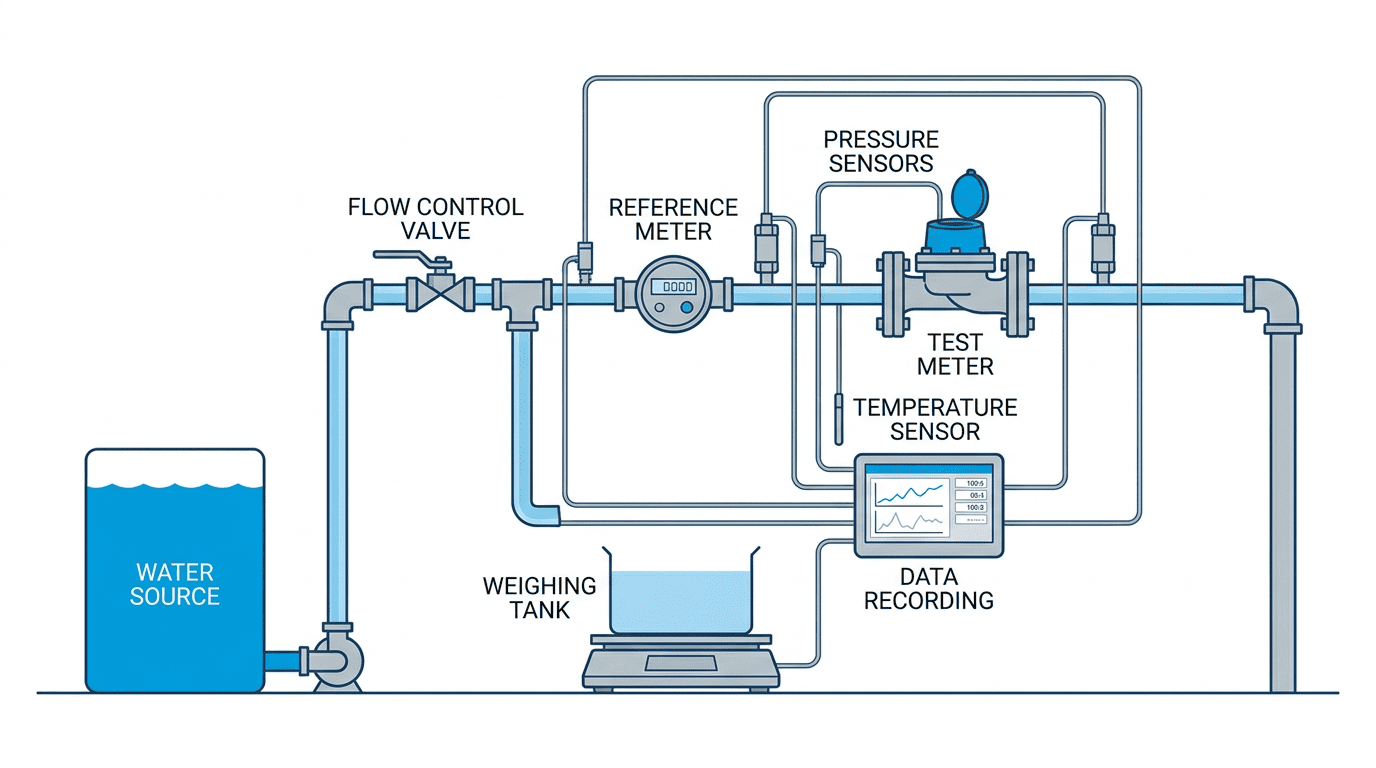
Las referencias que proporcionó confirman que ISO 4064 incluye criterios de error máximo permitido aplicables y que pruebas como las pruebas de temperatura del agua deben verificar que el error relativo de indicación no exceda el MPE aplicable.. También confirman que las pruebas de evaluación de tipo siguen las disposiciones de la norma ISO. 4064-1 y presentación de informes en ISO 4064-3.
Clase 1 frente a clase 2
En ISO moderno 4064 uso, Los medidores generalmente se clasifican en Clase de precisión 1 y Clase de precisión 2. En la práctica general de la industria:
- Clase 1 tiene límites de error más estrictos
- Clase 2 tiene límites de error permitidos más amplios
Agua fría vs agua caliente
La familia estándar cubre tanto agua potable fría como agua caliente.. Los métodos de prueba incluyen pruebas de temperatura del agua y pruebas de sobrecarga de temperatura del agua., y la prueba de sobrecarga de temperatura del agua se aplica a medidores con TMA ≥ 50 °C. Este es un recordatorio útil de que la evaluación del medidor de agua caliente no es una simple copia de la evaluación del agua fría..
Efectos de la temperatura
El material proporcionado establece que una prueba de temperatura del agua verifica que el error relativo de indicación no excede el MPE aplicable en las condiciones de prueba especificadas.. Entonces la temperatura no es un problema secundario.. es parte del cumplimiento.
clases ambientales
Su esquema menciona clima, mecánico, y clases de entorno electromagnético como E1/E2/E3.. Esos conceptos son parte de la norma ISO más amplia. 4064 / OIML R 49 marco en la práctica, especialmente para medidores electrónicos. Pero los extractos suministrados no contienen las tablas de clases reales., así que no debería inventar aquí una redacción precisa de la norma.
Tabla comparativa práctica
| Artículo | Significado práctico |
|---|---|
| Clase de precisión 1 | Rango de error permitido más estricto |
| Clase de precisión 2 | Rango de error permitido más amplio |
| medidor de agua fria | Evaluado dentro de condiciones definidas de uso de agua fría. |
| contador de agua caliente | Requiere cumplimiento en condiciones de temperatura más altas. |
| ESTERA | Temperatura máxima admisible, importante para pruebas de agua caliente |
Si quieres, Más tarde puedo convertir esta sección en una tabla de estándares más estrictos una vez que proporciones las páginas MPE exactas de la edición actual..
6. Clases de instalación (U/D)
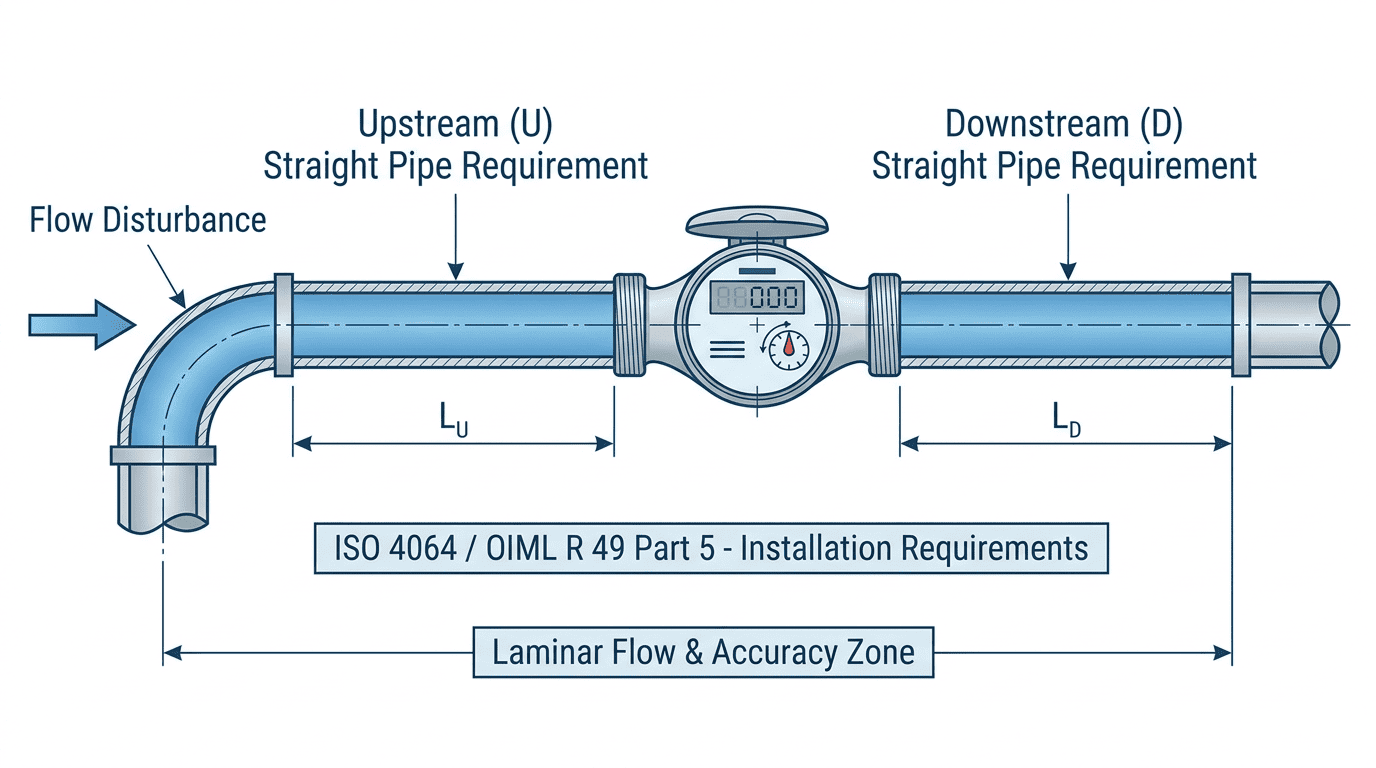
La clase de instalación es uno de los temas más útiles pero menos comprendidos en las licitaciones reales..
En la práctica ISO 4064 / OIML R 49 usar, Ud. y D describir los requisitos de tubería recta aguas arriba y aguas abajo del medidor. Estas clases son importantes porque el flujo perturbado puede afectar el rendimiento., especialmente para algunas tecnologías de medidores y condiciones de instalación.
Las referencias proporcionadas confirman que los requisitos de instalación son una parte específica de la familia estándar en Parte 5 . También muestran que los procedimientos de prueba pueden requerir la aplicación de requisitos operativos y de instalación especificados en la norma..
Qué significan U y D en la práctica
Los ejemplos típicos de la industria incluyen:
- U0 / D0 — no se requiere tubería recta
- U3 / D1
- U5 / D3
- U10 / D5
Estas son formas comunes de describir cuánta tubería recta se necesita aguas arriba y aguas abajo..
Por qué es importante
Si un metro necesita tramos largos y rectos, el costo de instalación aumenta. Las limitaciones de espacio también se vuelven más graves. En cámaras compactas, modernizaciones, y cajas de medidores, la clase de instalación puede decidir si el medidor es realista para el proyecto.
Nota práctica de mercado
Los medidores ultrasónicos a menudo se promocionan como capaces de alcanzar U0/D0 o requisitos similares de tubería recta bajos. Ésa es una de las razones por las que resultan atractivos en instalaciones difíciles.. Pero los compradores siempre deben verificar los datos exactos de aprobación del modelo específico..
7. Clases de pérdida de presión (ΔP)
La pérdida de presión es otro parámetro importante de diseño y selección.. Un medidor no sólo necesita medir con precisión. También debe evitarse la creación de una pérdida excesiva de presión en el sistema..
Su esquema se refiere a clases de pérdida de presión como:
- Δp63
- Δp40
- Δp25
- Δp16
- Δp10
Estas son formas comunes de clasificar la pérdida máxima de presión..
Los textos de referencia proporcionados no enumeran estas tablas de clases directamente, pero sí confirman que ISO 4064 incluye requisitos no metrológicos en la Parte 4 y requisitos de instalación en la Parte 5, y que los métodos de prueba son una parte formal separada de la familia estándar. En la práctica industrial más amplia, La pérdida de presión es una parte clave de la comparación de productos porque afecta el diseño de la red., costo de bombeo, y comportamiento hidráulico.
Por qué les importan los servicios públicos
Si la pérdida de presión es demasiado alta:
- la eficiencia del sistema cae
- Las quejas de presión del usuario pueden aumentar.
- El uso de energía de la bomba puede aumentar.
- la selección de gran diámetro puede estar distorsionada
8. Tipos de medidores según ISO 4064
Una de las aclaraciones más importantes en ISO 4064:2014 es que no se aplica sólo a los contadores mecánicos de estilo antiguo. Parte 1 Se aplica explícitamente a medidores basados en principios mecánicos., Dispositivos basados en principios eléctricos o electrónicos., y medidores mecánicos que incluyen dispositivos electrónicos.
Conceptos de tipos clave utilizados a menudo en ISO 4064 discusiones
- medidor integral
- medidor modular
- Medidor combinado
- Metro concéntrico
Su esquema también destaca tres conceptos de componentes que se utilizan a menudo en la arquitectura de medición moderna.:
- Transductor de medida
- Calculadora
- Dispositivo indicador
Estos son especialmente importantes para diseños electrónicos y compuestos..
Posicionamiento tecnológico
| Tecnología | ISO 4064 posición del alcance |
|---|---|
| Mecánico | Cubierto |
| Ultrasónico | Cubierto a través del alcance del principio eléctrico/electrónico |
| Electromagnético | Cubierto a través del alcance del principio eléctrico/electrónico |
| Mecanica con electronica | Cubierto |
Este amplio alcance es una de las razones por las que la norma sigue siendo muy relevante en la adquisición moderna de medición inteligente..
9. Novedades de ISO 4064:2024
Su esquema pide un 2024 sección de actualización. Los materiales de referencia que usted proporcionó son del 2014 ediciones de piezas 1 y 2, por lo que no proporcionan soporte textual directo para información detallada. 2024 cambios. Debido a su regla de citación, necesito ser claro: el especifico 2024 Los temas a continuación se basan en el conocimiento general de la industria., no en los extractos suministrados.
En términos generales, Las actualizaciones recientes en los estándares de medidores de agua y los marcos alineados se han centrado más en:
- Mayor apoyo a los contadores inteligentes y electrónicos.
- expectativas de compatibilidad electromagnética
- integridad del software y firmware
- temas de comunicación y seguridad de datos
- verificación de estabilidad a largo plazo
También menciona disposiciones de transición para 2014 certificados. Esto es muy específico del mercado y debe verificarse con el esquema de certificación exacto., organismo de aprobación, y autoridad regional en cuestión.
Si desea que esta sección tenga calidad de publicación y sea muy exacta, Recomiendo encarecidamente proporcionar el oficial 2024 texto o extractos primero.
10. ISO 4064 frente a OIML R 49 vs AWWA vs otros estándares regionales
ISO 4064 frente a OIML R 49
El punto más sólido respaldado por sus referencias es este:
ISO 4064-1:2014 es idéntico a la edición correspondiente de OIML R 49-1, y ISO 4064-2:2014 es idéntico a la edición correspondiente de OIML R 49-2.
Ese es un mensaje muy importante para los compradores globales.. En muchas discusiones técnicas, ISO 4064 y OIML R 49 se tratan casi indistintamente para el contenido técnico del medidor de agua en las ediciones alineadas .
Los materiales de referencia también señalan que la implementación en las regulaciones nacionales puede diferir., pero su uso es obligatorio en ciertos sistemas de certificación OIML y marcos MAA para medidores de agua conformes..
ISO 4064 / OIML R 49 contra AWWA
Las referencias proporcionadas no incluyen documentos AWWA., así que no debería exagerar las diferencias detalladas. Basado en conocimientos generales., Los estándares AWWA se utilizan ampliamente en los Estados Unidos y, a menudo, organizan los requisitos de los medidores de manera diferente según el tipo de medidor y los requisitos de los EE. UU.. expectativas del mercado.
Ejemplos regionales
Su esquema menciona GB/T 778, ES 779, e INMETRO. Esos son verdaderos marcos regionales en la práctica., pero las referencias proporcionadas no los cubren. Una afirmación segura es que muchas normas nacionales están influenciadas por ISO o alineadas con ella. 4064 / OIML R 49 conceptos, pero los detalles legales y de certificación locales siguen siendo importantes.
11. Cómo leer la placa de identificación de un medidor de agua (Requisitos de marcado)
La placa de identificación de un medidor de agua es una de las formas más rápidas de comprender lo que dice ser el medidor.. En el trabajo de adquisiciones real, Siempre empiezo con la marca porque me dice si la identidad del producto coincide con la hoja de datos y el archivo de aprobación..
Su esquema menciona marcas como:
- Q3
- relación R
- Clase de precisión
- DN
- MAPA
- ESTERA
Todos estos son conceptos de marcado normales e importantes en el lenguaje de medición de estilo ISO..
Los extractos suministrados no incluyen la cláusula de calificación completa., así que mantendré esta sección práctica en lugar de citar una tabla que falta.
Lo que suelo buscar en una placa de identificación
| Calificación | lo que me dice |
|---|---|
| Fabricante / marca | Identidad del producto |
| Número de serie | Trazabilidad |
| DN | Diámetro nominal |
| Q3 | Caudal permanente |
| Riñonal | Relación de rango |
| Clase de precisión | Clase de rendimiento |
| MAPA | Presión máxima admisible |
| ESTERA | Temperatura máxima admisible |
| Dirección del flujo | Dirección de instalación |
| Marcas de aprobación | Estado de certificación |
Consejos prácticos
Para la sección 11, Usar fotos reales de productos YOUNIO sería un movimiento muy fuerte.. Una imagen real de la placa de identificación con flechas que apuntan al tercer trimestre., Riñonal, DN, MAPA, y MAT haría que el artículo fuera mucho más útil para los compradores..
12. Descargar Normas & Documentos de referencia
Si estuviera estructurando esta sección para una página pilar, yo lo haria asi:
Normas oficiales
- Enlace a la página oficial de compra de ISO para ISO 4064 Partes 1 a 5
https://www.iso.org/standard/80868.html
https://www.iso.org/standard/80869.html
https://www.iso.org/standard/86239.html
https://www.iso.org/standard/86240.html
https://www.iso.org/standard/86241.html - Enlace a la OIML R oficial 49 documentos donde estén disponibles
https://www.oiml.org/en/files/pdf_r/r049-1-e24.pdf
Tenga en cuenta que los estándares oficiales tienen derechos de autor y deben obtenerse a través de canales autorizados.
13. Preguntas frecuentes
¿Cuál es la diferencia entre Clase B y R80??
La clase B pertenece al sistema de clasificación más antiguo., mientras que R80 pertenece al nuevo sistema basado en proporciones. A veces se comparan en lenguaje de mercado., pero no son perfectamente intercambiables. Una comparación correcta necesita los parámetros de flujo reales y los datos técnicos aprobados..
¿Qué relación R debo especificar para la medición residencial??
Eso depende de la aplicación.. En muchos casos, Los valores R más altos mejoran la sensibilidad al flujo bajo., lo que puede ayudar a capturar fugas residenciales y a una facturación más justa. Pero la elección correcta aún depende del perfil de uso local., presupuesto, y condiciones de instalación.
¿Puede una ISO 4064 El medidor certificado se utilizará en los EE. UU.?
No automáticamente. ISO 4064 el cumplimiento es técnicamente valioso, pero nosotros. Los proyectos también pueden requerir el cumplimiento de requisitos locales o basados en AWWA según el mercado y la aplicación..
¿Cuál es la diferencia entre ISO? 4064 y OIML R 49?
Para los alineados 2014 ediciones en sus referencias, ISO 4064-1 y OIML R 49-1 son identicos, y ISO 4064-2 y OIML R 49-2 también son idénticos.
¿Con qué frecuencia es ISO? 4064 actualizado?
Se revisa periódicamente mediante el trabajo formal del comité.. Las referencias proporcionadas muestran que la 2014 ediciones canceladas y reemplazadas por ediciones anteriores, y que los comités responsables incluyan a ISO/TC 30 y el subcomité técnico relacionado de la OIML.
¿ISO 4064 Aplicar sólo a medidores de agua mecánicos.?
No. Parte 1 establece explícitamente que se aplica no sólo a medidores basados en principios mecánicos, sino también a dispositivos basados en principios eléctricos o electrónicos, y a contadores mecánicos que incorporen dispositivos electrónicos..
¿ISO 4064 incluir requisitos de instalación?
Sí. Los requisitos de instalación son una parte específica de la familia estándar., a saber, parte 5.
¿ISO 4064 incluir requisitos de formato del informe de prueba?
Sí. El formato del informe de prueba es una parte dedicada., a saber, parte 3.
14. Conclusión
ISO 4064 importa porque le da a la industria del agua un marco completo, no es sólo una afirmación de precisión. Define requisitos, métodos de prueba, estructura del informe, artículos no metrológicos, y requisitos de instalación en una amplia gama de tecnologías de medidores de agua. También se alinea estrechamente con OIML R 49 en las ediciones correspondientes, lo que lo hace especialmente importante para la comparación y adquisición internacional..
Buscando un proveedor confiable de medidores de agua?
YOUNIO fabrica contadores de agua mecánicos y ultrasónicos desde DN15 hasta DN500, Certificado MID y probado según ISO 4064. Muestras gratuitas e informes de pruebas de fábrica disponibles para compradores calificados.