
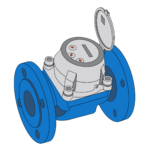


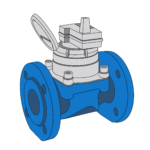

Water meter tenders look similar at first. Then local expectations appear. I start by separating standard compliance from field risk.
Different countries evaluate water meter quality through accuracy, ISO/OIML compliance, classe ambientale, material durability, tamper resistance, battery design, communication stability, and local acceptance rules. Some tenders focus on metrology, while others focus on field survival and data systems.
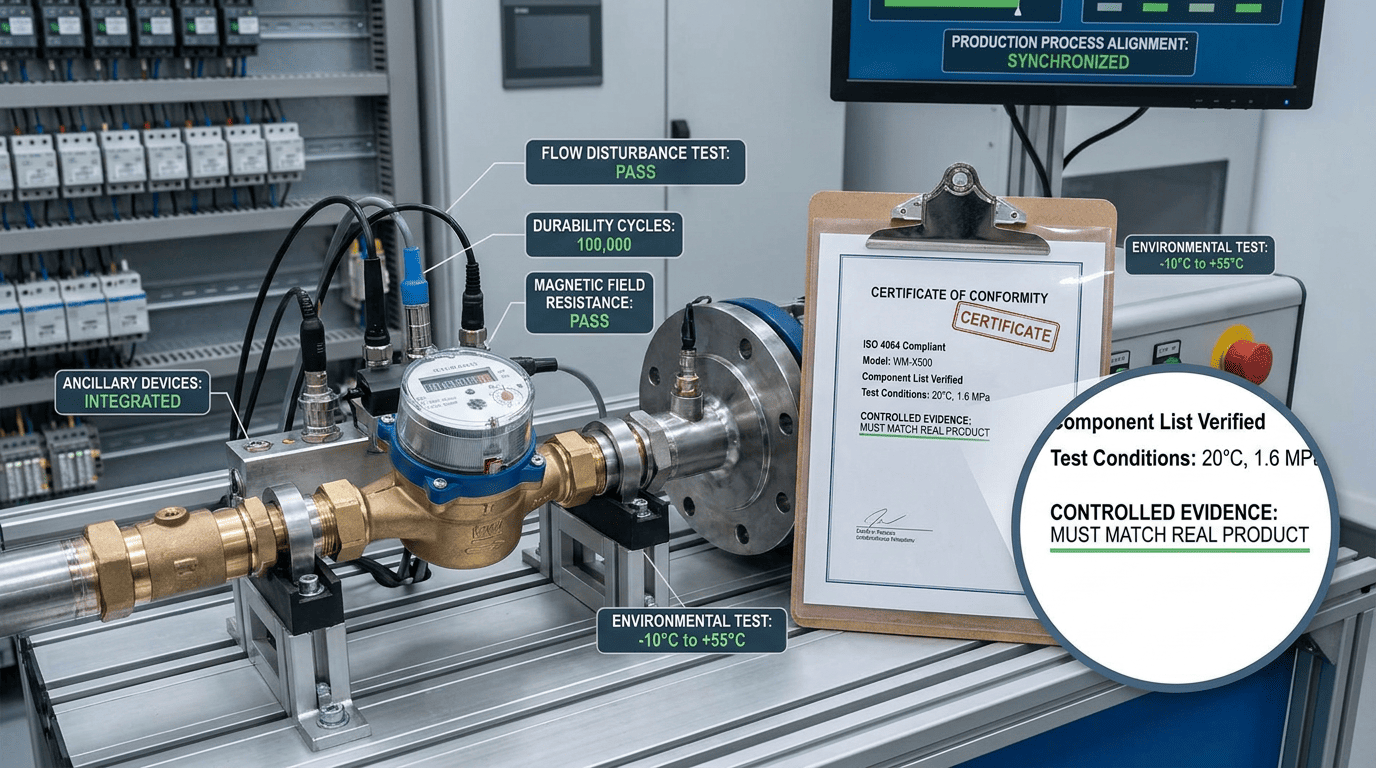
I rarely see one universal definition of “good quality.” ISO 4064 gives a common technical baseline, but regional or national standards may define reference conditions for local requirements, and those local criteria should be applied when specified [1].
What Are the Common Technical Criteria in Global Tenders?
Many tenders copy similar terms. The risk is that buyers and suppliers may read the same words in different ways.
Common technical criteria include Q1, Q2, Q3, Q4, classe di precisione, errore massimo ammissibile, perdita di pressione, materiali, classe ambientale, battery design, electronic device performance, and ancillary device requirements [5].
I Treat ISO 4064 as the Starting Point, Not the Whole Tender
When I review a global tender, I first build a common technical table. I do not begin with price. I begin with the measuring boundary.
Iso 4064 organizes water meter requirements around metrological requirements, values of Q1, Q2, Q3, e Q4, classe di precisione, errore massimo ammissibile, requirements for meters and ancillary devices, and requirements for meters with electronic devices [5]. This gives buyers a shared language. It also helps suppliers avoid vague statements such as “high accuracy” or “best quality.”
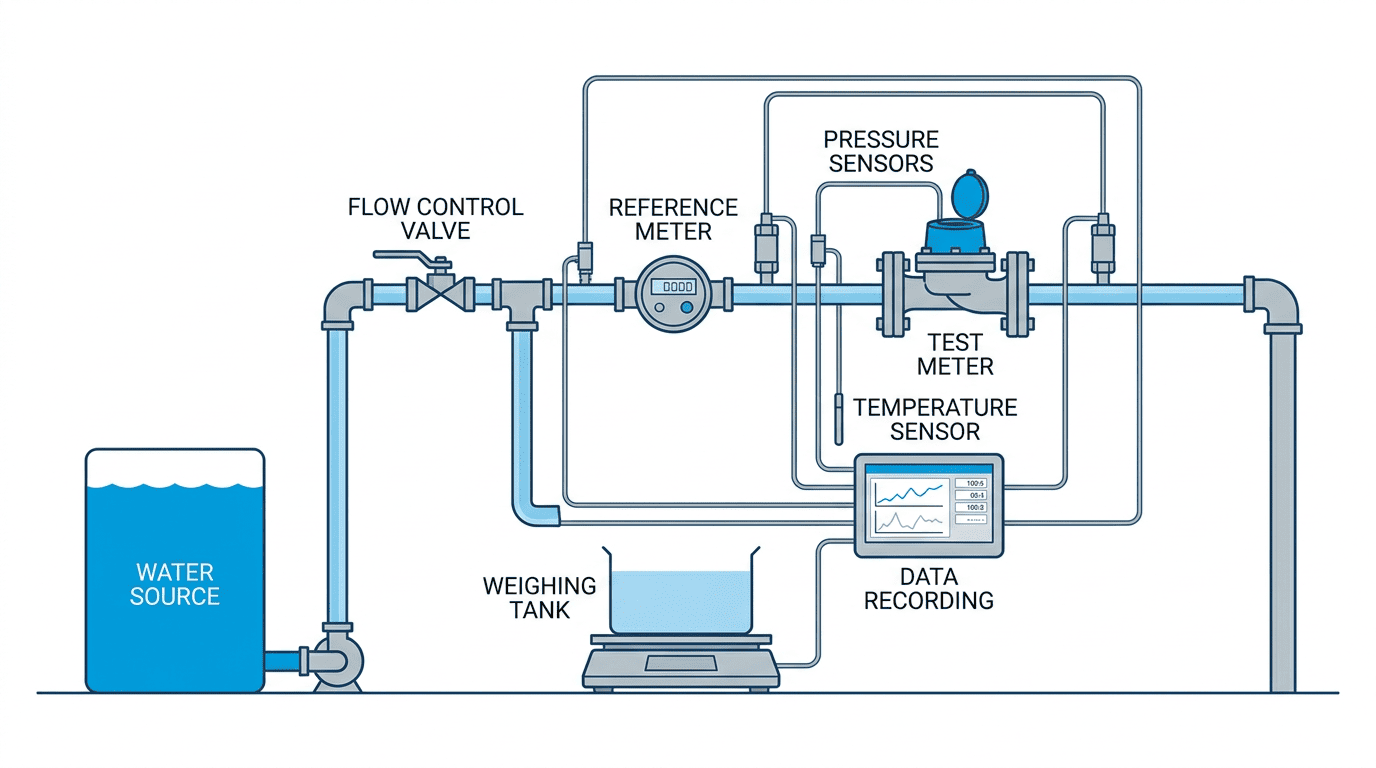
Then I check the test and field assumptions. Iso 4064 test conditions require water that comes from the public potable water supply or meets the same requirements, and the water should not contain substances that damage the meter or adversely affect operation [2]. The test water should also not contain air bubbles [2]. This matters because a laboratory test does not always match a difficult field location with air, sabbia, scala, fluttuazione della pressione, o installazione scadente.
| Tender Criterion | Cosa controllo | Perché è importante |
|---|---|---|
| Q3 and R value | declared permanent flow and range ratio | defines measuring boundary |
| Q1 | lower certified measuring flow | affects low-flow accuracy discussion |
| Classe di precisione | declared metrological class | supports billing confidence |
| Maximum permissible error | test tolerance | prevents vague accuracy claims |
| Materiale | corpo, wetted parts, durata | affects corrosion and service life |
| Environmental class | indoor, all'aperto, mobile, protected | links meter to site conditions |
| Electronic requirements | batteria, memoria, comunicazione | affects smart meter reliability |
| Ancillary devices | remote reading and add-ons | must not disturb metrology |
I also check whether the meter is mechanical, ultrasonico, prepaid, valve-controlled, or AMR/AMI. A DN15 residential meter and a DN100 district meter should not be judged by one feature list.
A good global tender should state the application scene, dimensione del metro, Q3, Valore R, classe di temperatura, condizione di pressione, posizione di installazione, water quality expectation, metodo di comunicazione, battery requirement, and acceptance document. Without those details, “quality” becomes a dispute word.
Which Regions Prioritize Accuracy and Standards?
Some markets judge quality mainly through certificates and test records. They want clear proof before they discuss extra functions.
Regions that prioritize accuracy and standards usually focus on ISO 4064, OIML R49, MID-style approval, Q3, Valore R, Q1, errore massimo ammissibile, initial verification, and laboratory test conditions.
I See Standards-Focused Tenders Ask for Evidence First
In many European-style, consultant-led, and donor-funded projects, the first question is not “How many smart functions does the meter have?” The first question is whether the meter can prove its metrological performance under the selected standard.
This is reasonable. A utility must bill customers fairly. If a meter cannot show its declared Q3, Valore R, Q1, classe di precisione, and maximum permissible error, then alarms and dashboards do not solve the core issue.
Iso 4064 places metrological requirements, Q1 to Q4 values, classe di precisione, errore massimo ammissibile, meter requirements, ancillary device requirements, and electronic-device requirements in the technical structure of the standard [5]. I use this structure when I prepare tender replies for standards-focused markets.
I also pay attention to reference conditions. Iso 4064 states that reference conditions should be applied only when no regional or national standard specifies its own reference conditions, and if such a regional or national standard exists, its criteria should be applied [1]. This sentence is very important for global projects. It explains why two countries can both mention ISO 4064 but still ask for different test conditions or acceptance evidence.
| Standards-Focused Item | Typical Buyer Expectation |
|---|---|
| ISO/OIML certificate | proof of type approval or conformity |
| Q3 and R value | clear flow range definition |
| Q1 value | low-flow certified boundary |
| Classe di precisione | defined metrological performance |
| Maximum permissible error | measurable acceptance rule |
| Verifica iniziale | meter-by-meter or batch evidence |
| Test water and rig conditions | reliable test procedure |
| Marking and documents | acceptance and traceability |
I do not treat this as bureaucracy. It protects the project.
For YOUNIO projects, I usually recommend aligning the datasheet, certificato, rapporto di prova, marcatura, and installation manual before shipment. If the tender is standards-focused, the proposal should not lead with decoration. It should lead with declared metrology, applicable standards, and document traceability.
Which Regions Focus on Durability and Tampering?
Some countries care less about laboratory wording and more about whether the meter survives local use. I take this concern seriously.
Regions focused on durability and tampering often prioritize strong materials, resistenza alla corrosione, sealed battery compartments, anti-tamper design, outdoor environmental suitability, water quality tolerance, and easy maintenance access [4][6].
I Translate Field Risk Into Product and Installation Requirements
In some markets, water meter quality is judged after years of heat, umidità, sporco, customer handling, illegal interference, chamber flooding, and pipe corrosion. These tenders may still require standards, but the real buyer concern is field durability.
Iso 4064 states that a water meter shall be manufactured from materials with adequate strength and durability for the purpose for which it is used [4]. It also states that the meter materials should not be adversely affected by water temperature variations within the working temperature range [4]. This supports the tender logic of asking for corrosion resistance, suitable body material, durable registers, protected electronic modules, and correct environmental class.
Tampering is another practical concern. Iso 4064 states that battery replacement should be carried out without breaking the seal required for statutory metrological inspection [4]. It also states that the battery compartment shall be capable of being secured from tampering [4]. In markets with high tamper risk, I expect these points to become more important than some advanced dashboard functions.
Environmental class also matters. Iso 4064 classifies meters with electronic devices by climatic and mechanical environmental conditions, including class B for fixed meters installed in a building, class O for fixed meters installed outdoors, and class M for mobile meters [6]. If the meter is installed outdoors, underground, or in a humid chamber, the product and protection level must match the site.
| Durability Concern | Tender Requirement I Expect |
|---|---|
| Corrosion | suitable body and wetted materials |
| Heat and humidity | outdoor environmental class and protection |
| Customer interference | sealed register and tamper-secured battery compartment |
| Dirty water | suitable measuring principle and filtration discussion |
| Flooded meter pits | IP protection and cable sealing if smart |
| Rough installation | strong housing and clear installation manual |
| Lungo periodo di servizio | battery plan and maintenance method |
I do not promise that a meter can prevent all tampering. That would not be honest. A meter can support tamper resistance, tamper evidence, and event records if designed for that project. The utility still needs installation control, sealing policy, inspection rules, and customer management.
How Do Communication and IT Requirements Vary?
Smart meter quality is not only meter quality. It also depends on the network, piattaforma, data rules, and maintenance process.
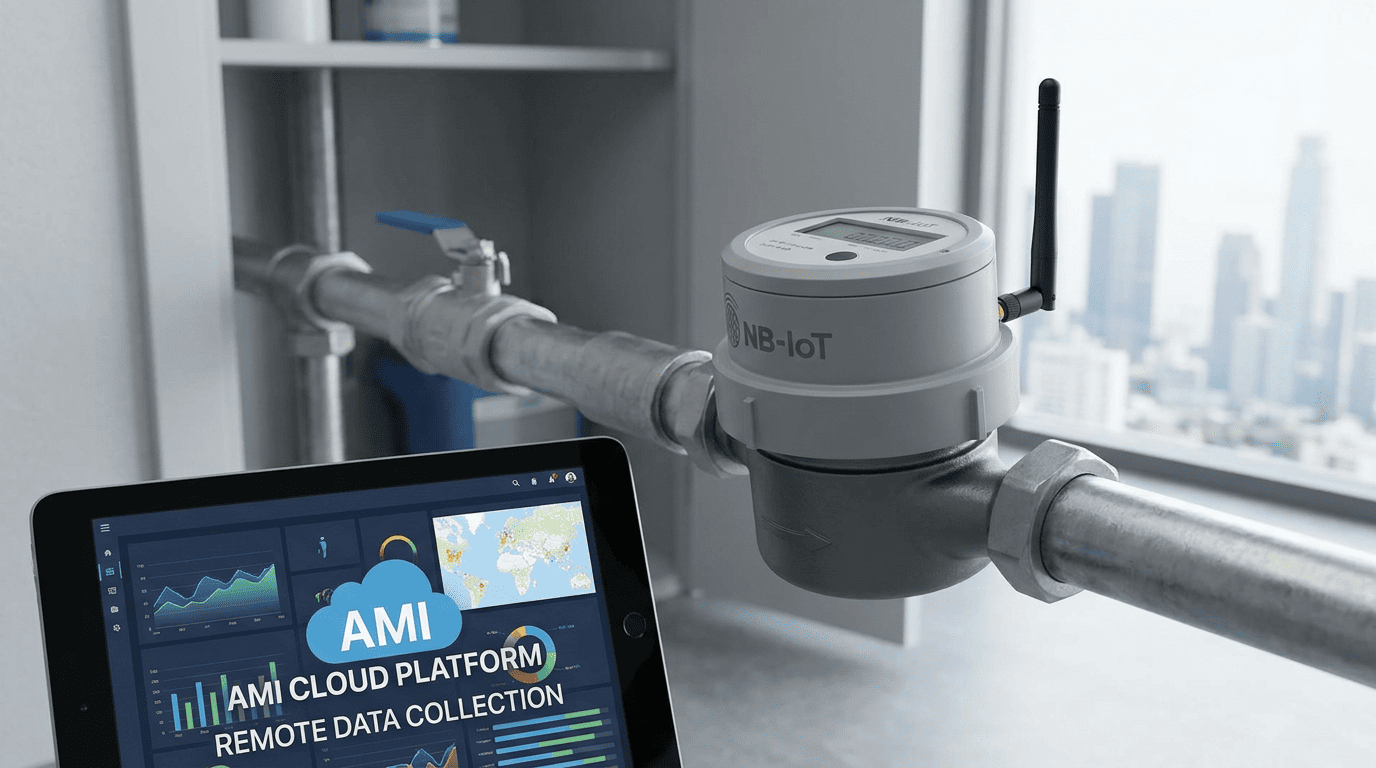
Communication and IT requirements vary by country through NB-IoT coverage, LoRa or LoRaWAN gateway strategy, M-Bus wiring, data format, durata della batteria, sicurezza informatica, integrazione della piattaforma, and remote reading acceptance.
I Treat Communication as a System Requirement
A smart water meter can measure, store data, show information, rilevare eventi, e trasmettere dati. But it cannot create a network by itself.
In NB-IoT projects, I check operator coverage, SIM management, ciclo di rendicontazione, interfaccia della piattaforma, meter registration, and battery effect. In LoRa or LoRaWAN projects, I check gateway location, Alimentazione elettrica, backhaul, obstacle control, and signal testing. In M-Bus or RS485 projects, Controllo la progettazione del cavo, concentrator capacity, addressing, and installation labor.
Iso 4064 recognizes that water meters may have electronic devices and different power supplies, including external power supply, batteria non sostituibile, and replaceable battery [3]. For a meter with an external power supply, Iso 4064 requires that the volume indication just before power failure is not lost and remains accessible for at least one year [3]. This is important for IT tenders because data continuity matters during outages.
Battery rules also affect IT design. Iso 4064 states that maximum allowable registered volume, volume visualizzato, operational lifetime, lettura a distanza, temperature estreme, and water conductivity may be considered when specifying a battery and during type evaluation [4]. I use this point when discussing upload frequency. A daily reporting cycle and an hourly reporting cycle do not have the same battery impact.
| Communication Requirement | Quello che chiarisco |
|---|---|
| Nb -ot | operatore, SIM, copertura, platform endpoint |
| LoRa | concentratore, local power, signal path |
| Lorawan | porta, network server, application server |
| M-Bus | wiring, addressing, concentrator capacity |
| RS485 | cable length, protocollo, power and grounding |
| Impulso | pulse value, cable protection, logger type |
| 4G Cat.1 | SIM, data cost, power budget |
| Piattaforma | API, regole di allarme, magazzinaggio, integrazione della fatturazione |
Some countries focus on cybersecurity and data ownership. Some focus on telecom coverage. Some focus on simple monthly remote reading. Some ask for event-based alarms. These are not the same project.
I always ask buyers to define reporting cycle, retry logic, proprietà dei dati, alarm responsibility, interfaccia della piattaforma, and field response. Altrimenti, the tender may buy communication hardware without a working AMR or AMI process.
What Dispute Cases Come From Different Expectations?
Disputes often happen when both sides think they agreed, but each side defines quality differently. I try to expose this early.
Common disputes come from different expectations about accuracy evidence, field water quality, condizioni di installazione, durata della batteria, tamper resistance, communication success, classe ambientale, and local acceptance documents.
I Separate Product Failure From Expectation Failure
Many disputes are not caused by one bad meter. They are caused by an unclear definition of quality.
One dispute type is accuracy. The buyer may test meters under local conditions that differ from the supplier’s reference conditions. Iso 4064 says that reference conditions should only be applied if no regional or national standard specifies reference conditions, and if a regional or national standard specifies them, those criteria should be applied [1]. If the contract does not state the acceptance standard clearly, both sides can argue with reasonable but different assumptions.
Another dispute type is water quality. Iso 4064 test conditions require water that does not contain substances that damage the meter or adversely affect operation, and it should not contain air bubbles [2]. A site with air, sabbia, ruggine, or scale may produce complaints that are not identical to laboratory performance.
Electronic meters create another dispute area. The buyer may expect continuous remote readings, but the project may have weak signal, poor gateway placement, no platform mapping, or an unrealistic upload cycle. Iso 4064 recognizes power supply types for electronic meters and requires data retention under external power failure conditions [3]. It also links remote reading and operating conditions to battery specification and type evaluation [4]. This means communication expectations should be part of the technical contract.
| Dispute Trigger | Tipica causa principale |
|---|---|
| “Meter is inaccurate” | unclear test standard or site condition |
| “Remote reading failed” | network or platform not defined |
| “Battery died early” | reporting cycle not matched to battery design |
| “Meter corroded” | material not matched to water or environment |
| “Tampering happened” | meter expected to prevent all interference |
| “Certificate rejected” | local standard or marking not confirmed |
| “Outdoor failure” | environmental class not matched to installation |
I also see disputes caused by overselling. If a supplier says a smart meter will solve NRW by itself, the project is already at risk. The meter can support NRW reduction through better data and alarms, but the utility still needs pressure control, riparazione delle perdite, illegal connection management, and billing data cleaning.
The best dispute prevention method is to define quality country by country and site by site.
How Can You Localize a Proposal Without Changing Your Core Product?
Localization does not always mean redesigning the meter. Often, it means changing documents, configurazione, accessori, and project support.
You can localize a proposal by adjusting certificates, marcature, installation guidance, modulo di comunicazione, battery plan, confezione, language documents, prove di prova, and acceptance procedures while keeping the core meter platform stable.
I Localize the Project Layer Before I Change the Meter
I prefer stable product platforms. A stable platform protects quality, controllo della produzione, and spare parts. But each country may need a different proposal package.
For an accuracy-focused market, I emphasize ISO/OIML alignment, Q3, Valore R, Q1, classe di precisione, errore massimo ammissibile, e documenti di prova. Iso 4064 includes these metrological items in its structure, including Q1 to Q4 values, classe di precisione, and maximum permissible error [5]. I also make sure the acceptance method is clear.
For a durability-focused market, I emphasize material, construction, classe ambientale, sigillatura, battery compartment security, and installation protection. Iso 4064 requires materials with adequate strength and durability, and it also requires the battery compartment to be capable of being secured from tampering [4]. If the meter is installed outdoors, I check environmental class and site protection.
For a smart-meter market, I adapt the communication plan. One country may prefer NB-IoT because telecom coverage is strong. Another may prefer LoRaWAN because the utility owns its network. Another may prefer M-Bus for apartment buildings. I keep the meter body and metrology stable where possible, but I adapt the communication module, ciclo di rendicontazione, platform documents, and installer instructions.
| Proposal Layer | Localization Example |
|---|---|
| Certificato | ISO/OIML, METÀ, local approval if required |
| Marcatura | lingua, direzione del flusso, serial format, classe di pressione |
| Comunicazione | Nb -ot, Lorawan, M-Bus, RF, RS485 |
| Battery plan | reporting cycle and lifetime assumption |
| Manuale di installazione | local pipe practice and meter box conditions |
| Confezione | local labels, codice a barre, carton language |
| Test report | format required by buyer or consultant |
| After-sales file | complaint form, foto, serial tracing |
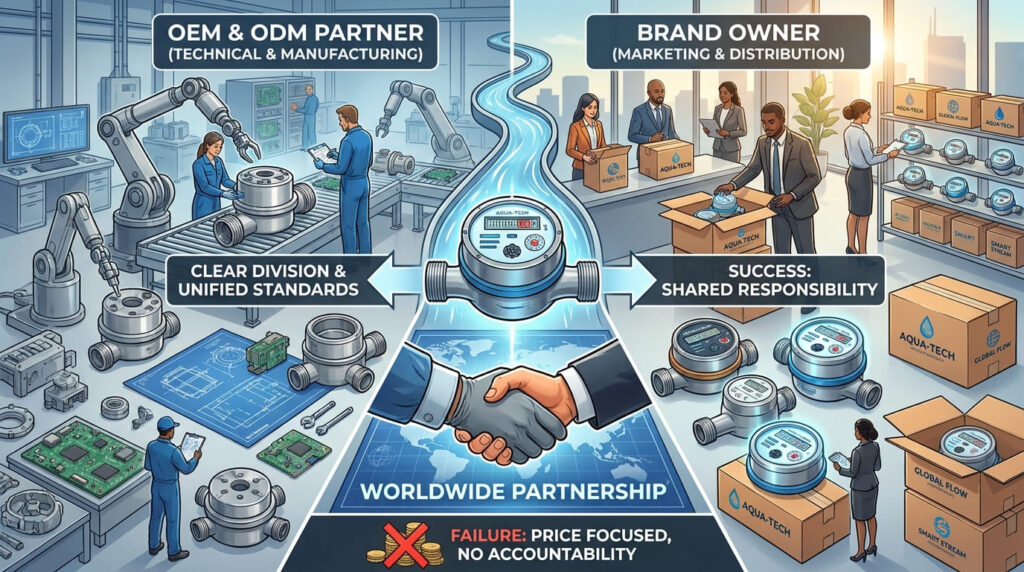
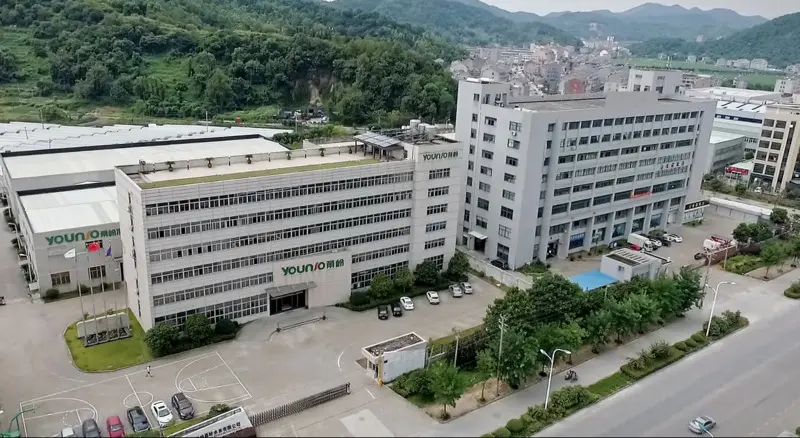
YOUNIO supports mechanical water meters, contatori d'acqua intelligenti, Soluzioni AMR/AMI, and OEM/ODM cooperation across different markets. In pratica, I would not change every product detail for every tender. I would first localize the proposal, documentazione, communication configuration, and acceptance file.
This approach keeps production stable while respecting country-level expectations.
How Do You Build a Country-Level Requirements Playbook?
A playbook turns repeated tender lessons into a practical tool. Senza di esso, every new country becomes a new argument.
A country-level requirements playbook should record standards, certificati, Q3 and R preferences, materiali, anti-tamper needs, classe ambientale, metodo di comunicazione, battery rules, documenti, and dispute lessons.
I Build the Playbook From Tenders, Pilots, and Disputes
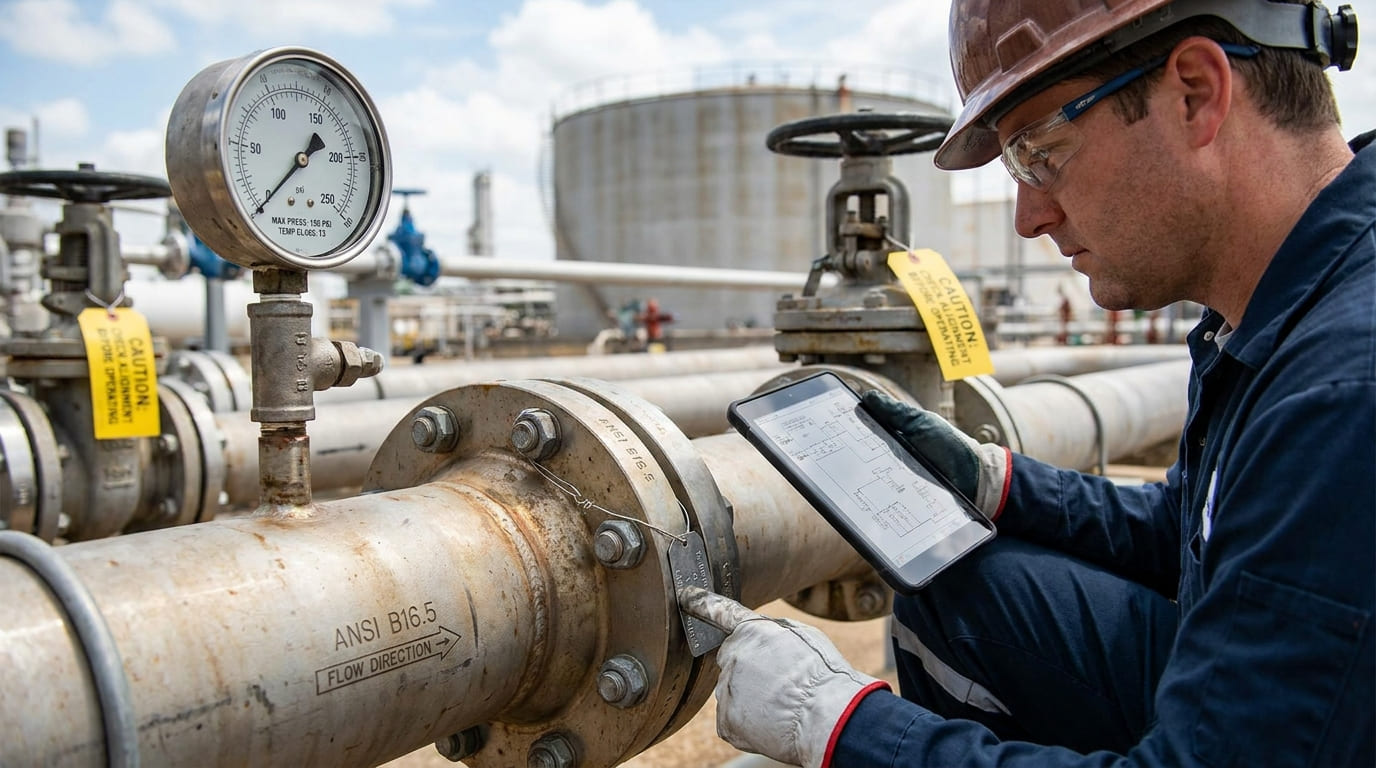
I recommend a simple country playbook for every exporter, OEM partner, and utility buyer. It does not need to be complicated. It needs to be used.
The first section should list standards and legal metrology requirements. Some countries accept ISO/OIML documents. Some require local approval. Some tenders follow consultant specifications that are stricter than national practice. Iso 4064 already warns that regional or national standards may specify their own reference conditions, and those criteria should be applied when they exist [1]. This is the reason a country playbook is necessary.
The second section should record site risks. Is corrosion common? Are meters installed outdoors? Are chambers flooded? Is tampering frequent? Are pipes old? Are pressure fluctuations severe? Iso 4064 environmental classification includes building, all'aperto, and mobile installation classes for meters with electronic devices [6]. This helps structure the site-risk section.
The third section should record smart system requirements. Which communication method is accepted? Who owns the platform? What reporting cycle is expected? Who pays for SIM cards? Who responds to alarms? Iso 4064 notes that remote reading and operating conditions are considered when specifying a battery and during type evaluation [4]. This should be part of the playbook.
| Playbook Section | What I Record |
|---|---|
| Standard | Iso 4064, OIML R49, local rules |
| Metrology | Q3, R, Q1, classe di precisione |
| Materials | ottone, composito, stainless parts if needed |
| Tamper risk | sigilli, battery compartment, registrazioni degli eventi |
| Ambiente | indoor, all'aperto, allagamento, Calore, umidità |
| Comunicazione | Nb -ot, Lorawan, M-Bus, RF, RS485 |
| Batteria | expected reporting cycle and lifetime |
| Documenti | certificati, rapporti di prova, manuali, etichette |
| Disputes | past causes and prevention steps |
I also include a “do not promise” section. Do not promise stable communication without a signal survey. Do not promise NRW reduction without field action. Do not promise corrosion resistance without material and water condition review. Do not promise battery life without reporting-cycle assumptions.
A good playbook helps the sales team, engineering team, fabbrica, and buyer speak the same language.
Conclusione
Define quality by country, standard, site, and system. Then specify Q3, R, materiali, tamper control, comunicazione, batteria, documenti, and acceptance tests.
Hai bisogno di aiuto per applicarlo al tuo progetto?
Invia la tua misura del metro, mercato di riferimento, e requisito di certificazione. YOUNIO risponderà con una checklist tecnica.