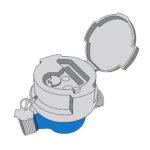

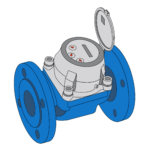

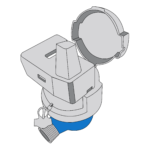

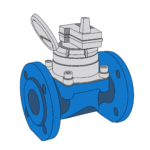

水道メーターはシンプルに見えます, しかし、小さな選択ミスが請求上の紛争を引き起こすのを見たことがあります, 漏れの疑い, そしてインストールの失敗.
水道メーターはパイプを通過する水の量を記録する測定装置だと考えています. ユーザーが公平に支払うのに役立ちます, 電力会社の供給管理を支援, プロジェクト チームがより適切なデータを使用して水の損失を制御できるようにします.
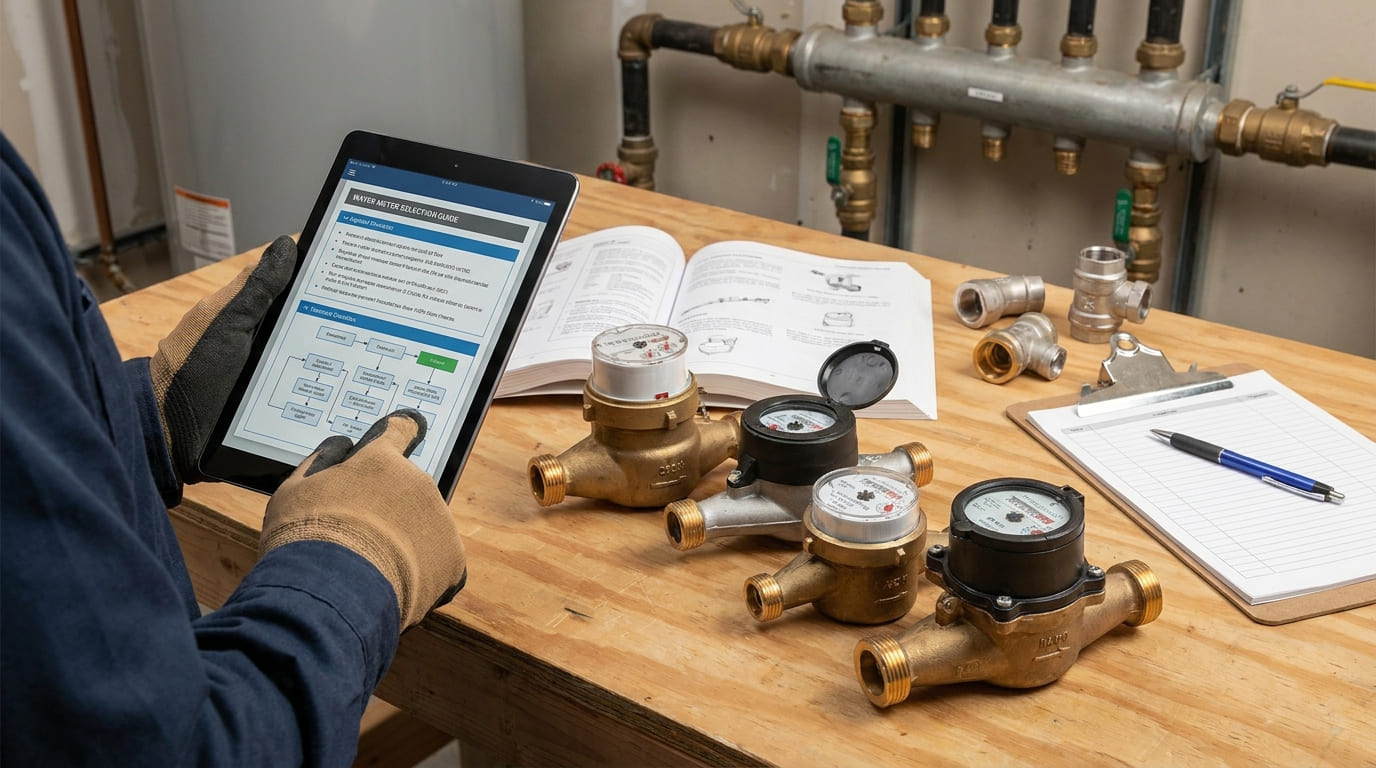
水道メーターを単なるパイプの小さな付属品として扱いません. 私はこれを水管理システムの最初のデータポイントとして扱います. 上手く選べば, ユーザーは公平な請求を受け、公共事業者は有用な消費データを取得します. 選び方が悪いと, プロジェクト全体が苦情に直面する可能性がある, 手直し, 長期にわたるメンテナンストラブル.
水道メーターとは?
水道メーターは家庭で使用される水の量を計測する装置です, 建物, 工場, 灌漑ライン, または自治体のネットワーク.
私は水道メーターを使って水の流れを読み取り可能な数値に変換します. その数字は機械的なレジスターに表示される可能性があります, デジタルディスプレイ, またはリモート読み取りプラットフォーム. 基本プロジェクトでは, 安定したローカル読み取り値のみが必要です. スマートプロジェクトでは, 遠隔読書も必要かもしれない, バルブ制御, アラーム機能, またはイベント記録.
メーターが実際の水道システムにどのように適合するかも気になります. メーターのサイズは、通常の水消費量が一般的な動作流量に近くなるように選択する必要があります。, 可能な最大流量だけでなく. メーターが大きすぎると低流量の消費量を見逃してしまう可能性があるため、私はこのルールに従います。, メーターが小さすぎると、圧力損失や早期摩耗が発生する可能性があります.
日々の仕事の中で, メーターの価格を比較する前に、私は通常 3 つの質問をします。:
| 質問 | なぜそれを尋ねるのか |
|---|---|
| 本当のアプリケーションとは何ですか? | 家, モール, 工場, と市の本管は同じように水を使用しません. |
| 通常の流れは何ですか? | メーターは最も一般的な流量条件下で適切に機能する必要があります. |
| ユーザーが必要とするデータは何か? | 手動メーター, AMRメーター, とスマートメーターはさまざまな問題を解決します. |
水道メーターはどのように機能しますか?
水道メーターは水の流れを感知し、その流量を体積の測定値に変換することで機能します。.
機械式メーターは通常、可動部品を使用します. 水が羽根車を押す, タービン, ピストン, またはディスク. その後、動きは総体積測定値に変換されます。. 電子メーターはセンサーを使用します, 超音波や電磁測定など, 同種の機械的回転部品を使用せずに流れを計算する.
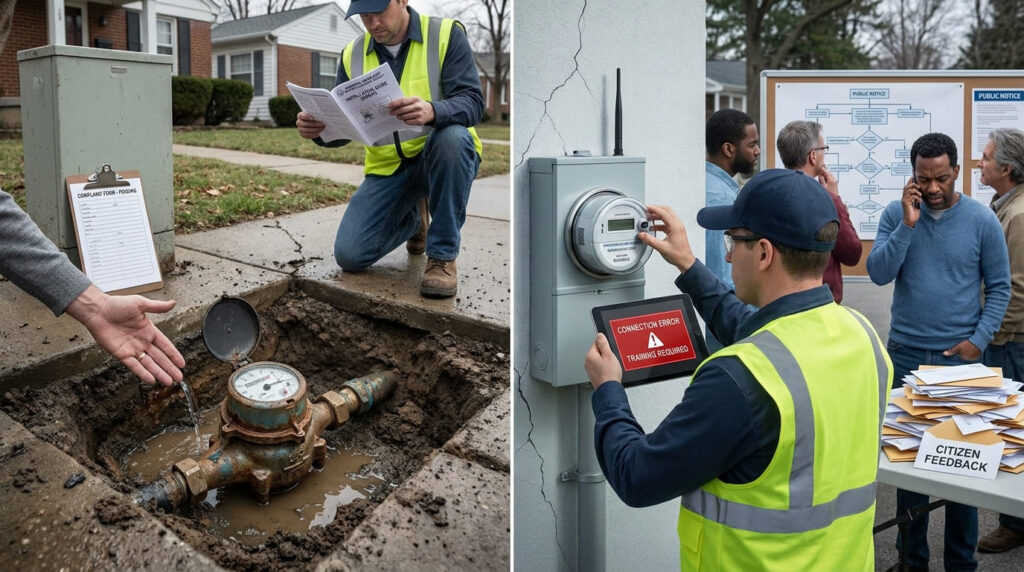
私は常に、動作原理は決定の一部にすぎないことを自分に言い聞かせます。. 設置環境もパフォーマンスに影響する. 水道メーターは分解しやすい場所に設置する必要があります。, インストール, そしてマニュアル読み. この点は単純に聞こえますが、, しかし、メーターが狭い部屋に設置されていたために失敗するプロジェクトを多く見てきました。, 壁の後ろに, または表示が読めない位置にある.
水質や水温もチェックします. 腐食性の液体を水道メーターに供給しないでください, 温水を冷水メーターに供給しないでください。. これは基本的なルールです, しかし、プロジェクト チームがラインごとに 1 つのメーター モデルを使用しようとすると、無視されることがよくあります。.
水道メーターの主な種類は何ですか?
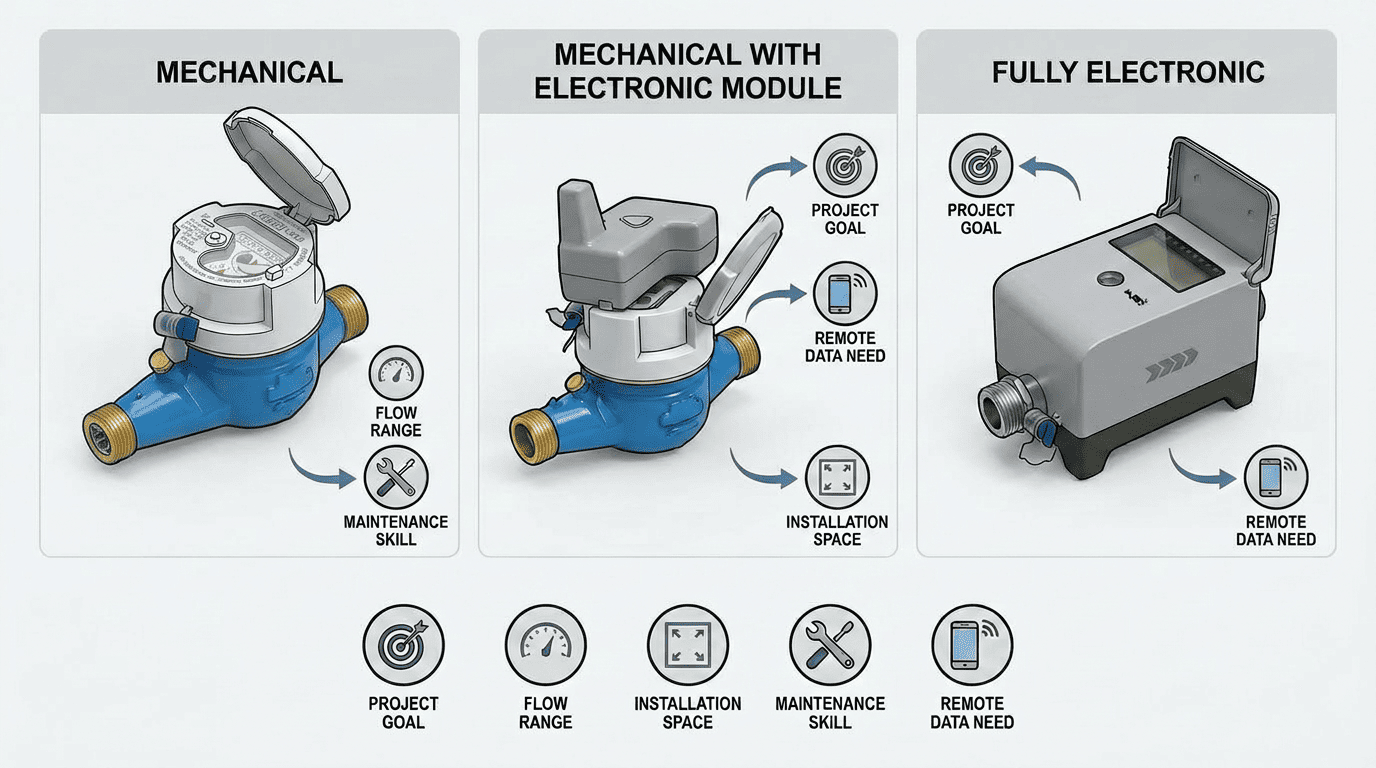
私は通常、水道メーターを 3 つのグループに分けます: 機械式水道メーター, 電子モジュールを備えた機械式メーター, 完全に電子化された水道メーター.
各グループには独自の最適な用途があります. あるタイプが常に別のタイプより優れているとは言いません. プロジェクトの目標に目を向けます, 流量範囲, 設置スペース, メンテナンススキル, そしてリモートデータの必要性.
機械的な水道メーター
機械式水道メーターは長年使用されています. 成熟しているため、私は今でも多くのプロジェクトで使用しています, わかりやすい, そして費用対効果.
私は通常、機械式メーターを速度計と体積計に分けます。.
速度計は水の速度を測定し、その速度から体積を計算します。. 一般的な速度計にはシングルジェット メーターが含まれます, マルチジェットメーター, ウォルトマンメートル, そしてコンビネーションメーター.
容積計は測定室内の実際の水量を測定します. 一般的な体積計には、ロータリー ピストン メーターや章動ディスク メーターなどがあります。.
| 機械式メータータイプ | 一般的な使用方法 |
|---|---|
| シングルジェットメーター | 住宅および小規模商業施設 |
| マルチジェットメーター | より優れた安定性を必要とする家庭および商用ユーザー |
| ウォルトマンメーター | 大流量, 産業ユーザー, および主要なパイプライン |
| コンビネーションメーター | 流量が非常に少ないサイトと非常に多いサイトの両方 |
| ロータリーピストンメーター | 低流量に敏感な住宅用および商業用 |
| 章動ディスクメーター | 住宅および小規模商業用途 |
実際の流量に基づいてこれらのメーターを選択します, パイプサイズだけでなく. パイプはDN50かもしれません, ただし、通常の消費量はパイプの容量よりもはるかに少ない場合があります. パイプサイズだけを守るなら, 見た目は正しくても性能が低いメーターを選択する場合があります.
ドライ, 濡れた, セミドライレジスター
メーターが乾式かどうかもチェック, ウェットタイプ, またはセミドライタイプ.
乾式メーターによりレジスターは水から隔離されます。. 鮮明な読み取りと曇りのリスクの低減が重要な場合には、このデザインが気に入っています.
湿式メーターのため、レジスター部分に水が触れる可能性があります。. シンプルで経済的かもしれません, しかし、汚れた水に対してはより敏感かもしれません, 凍結する, または長期にわたる明瞭な読書.
セミドライメーターはこれら 2 つのデザインの中間に位置します. プロジェクトでコストと読み取りの信頼性のバランスが必要な場合に使用します。.
凍結状態には特に注意します. 凍結期間中, 水道メーターとパイプは包む必要があります, また、凍結による損傷のリスクを軽減するために、メーターを使用しないときは給水バルブを閉める必要があります。. これは屋外メーターにとって重要です, 壁に取り付けられたメーター, 寒冷地のメーターボックスなど.
電子モジュールを備えた水道メーターとは何ですか?
電子モジュールを備えた水道メーターは通常、機械式メーターにデジタル読み取りまたは通信ユニットを加えたものです。.
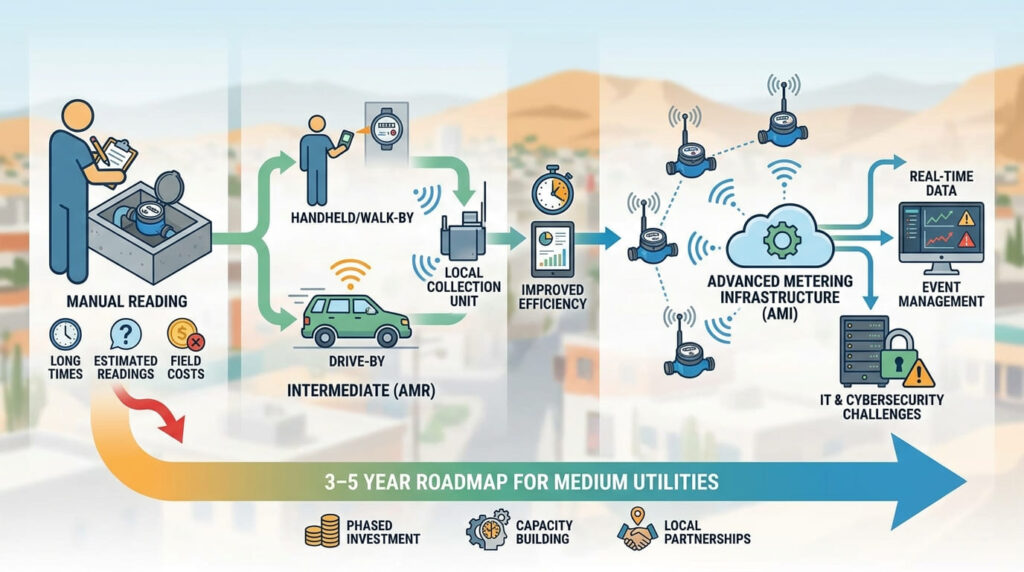
私はこれが現実的な中道だと考えています. メーターは依然として機械的な動きで測定する場合があります, ただし、電子モジュールはリモート読み取りをサポートできます, データ出力, プリペイドコントロール, バルブ制御, アラーム機能, またはイベント記録.
例えば, 一部のプリペイド水道メーター システムには、水量低下アラーム ロジックが含まれています. 水残量低下時に表示器ブザー鳴動可能, キーを一定時間押すとブザーを止めることができます。. 一部のシステムでは, 残水量がゼロになったとき, 水道メーターはバルブを閉じてブザーを止めることができます. プリペイド住宅にはこのような機能が便利だと思います, 賃貸物件, および管理された水供給プロジェクト.
一部のシステムでは、磁界干渉イベントを記録することもできます. 改ざんの試みやフィールドの異常な状態により、ユーザーとオペレーターの間で紛争が生じる可能性があるため、これは便利だと考えています.
私は今でも設置規律を注意深く確認しています. 節水機能やバルブ関連機能のある水道メーターを設置する場合, 水圧の変動によるメーターの回転を抑えるために、給水口に適合する特別なパイプジョイントを使用する必要があります。. 施工者が施工上の注意事項に従わずに損害が発生した場合, 設置者が責任を負うべきです.
完全電子式水道メーターとは?
完全に電子化された水道メーターは、従来の機械的な可動部品の代わりに電子感知方式で流量を測定します。.
このグループで私が主に使用する 2 つのタイプは、超音波水道メーターと電磁式水道メーターです。.
超音波水道メーター
超音波水道メーターは音波を使用して流速を測定します. プロジェクトで低流量の感度が必要な場合は超音波メーターが好きです, デジタルディスプレイ, 遠隔読書, 長期安定したデータ.
超音波計は従来のインペラを使用しないため、, 機械的摩耗を減らすことができます. スマート住宅プロジェクトでよく使用されます, 商業用計量器, 地区メーター, およびユーティリティのデジタル化.
電磁式水道メーター
電磁式水道メーターは電磁誘導によって流量を計測します. 大きなパイプにはこのタイプをよく検討します, 工業用水, 廃水, または、より多くの固体または複雑な流れ条件が存在する可能性があるライン.
液体が電磁測定に適しているかどうかをまだ確認しています. 電源もチェックしてみます, 接地, パイプの状態, およびデータ出力要件. 産業プロジェクトにおいて, 私は設置品質をメーター選択の一部として扱います, 別個のタスクとしてではなく.
適切な水道メーターを選択するにはどうすればよいですか?
実際の使用状況に合わせて水道メーターを選びます.
アプリケーションから始めます. 家, ホテル, 病院, 学校, 工場, と灌漑システムはすべて異なる流れの挙動を持っています. 次にパイプのサイズを確認します, 通常の流れ, ピークフロー, プレッシャー, 水温, 水質, 設置位置, 読み取り方法, そしてコミュニケーション需要.
リファレンスマニュアルには、水の消費量が一般的な流量に近いという原則に基づいてメーター口径を選択する必要があると記載されています. メーターは、ほとんどの場合に機能する流量範囲で正確である必要があるため、私はこれを主要なルールの 1 つとして使用しています。.
定格労働条件も確認します. 参考資料には流量範囲などの使用条件項目が記載されています, 環境温度, 冷水メーターの水温, 環境湿度, そして水圧. これらの商品はカタログ装飾品としては扱いません. 私はそれらを受け入れポイントとして扱います.
| 選択要因 | 私の小切手 |
|---|---|
| 応用 | 居住の, コマーシャル, 産業, 市営, または灌漑 |
| 通常の流れ | ほとんどの場合に起こる流れ |
| ピークフロー | メーターが処理しなければならない最大流量 |
| 精度の必要性 | 基本課金または高精度制御 |
| 水質 | きれいな水, 砂, 沈殿物, または腐食の危険性 |
| 温度 | 冷水または温水 |
| プレッシャー | 常用圧力と圧力変動 |
| 設置位置 | 屋内, 屋外, チャンバー, 壁, またはパイプライン室 |
| 読み取り方法 | マニュアル, 脈, Mバス, ロラ, nb-iot, またはプラットフォーム |
| メンテナンス計画 | 簡単なアクセス, スペアパーツ, そして交換サイクル |
どのようなインストール規則に従う必要がありますか?
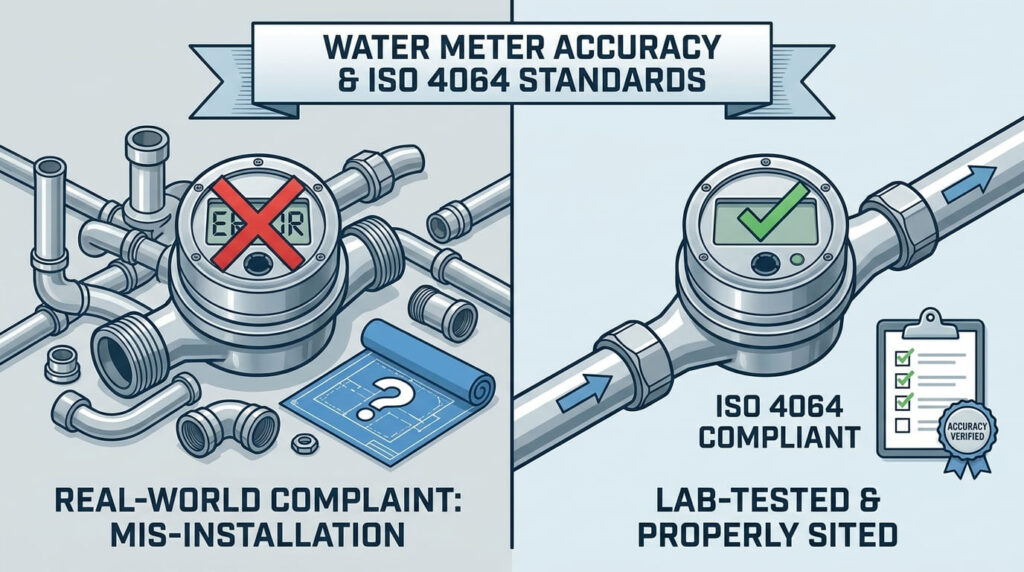
設置は計量精度の一部として扱います.
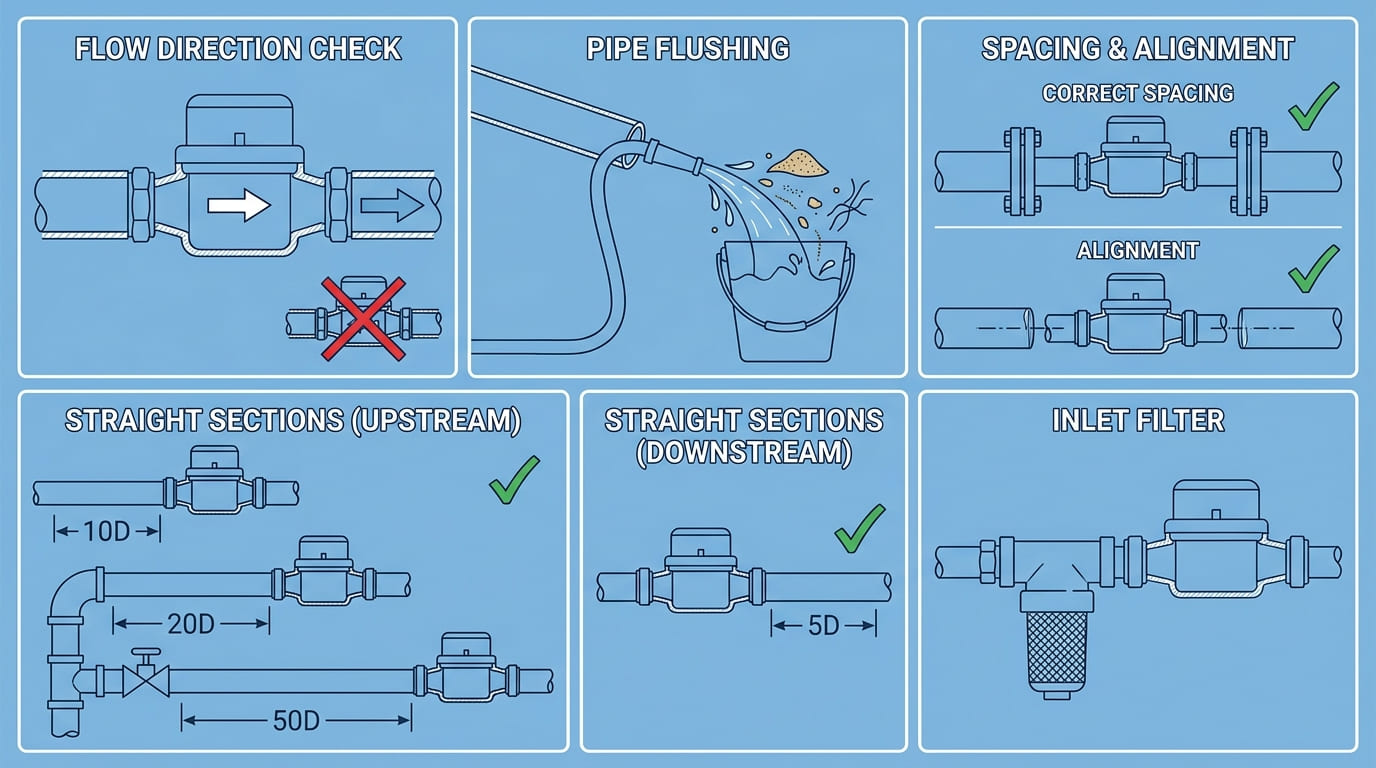
メーターは読み取りプレートまたはカバーの表示に従って取り付けてください。, ケースの矢印はパイプライン内の水の流れの方向と一致する必要があります. メーターの取り付け方向を間違えた場合, 読み方が間違っているかもしれない, システムが警告を発する可能性があります, またはメーターが破損する可能性があります.
メーターを取り付ける前に新しいパイプもフラッシングします. パイプから砂を取り除く必要があります, 沈殿物, 麻繊維, 水道メーターを取り付ける前のゴミやその他のゴミ, メーターが異物によって損傷されないように.
配管間隔と接続長さを確認します. 配管間隔がメーター接続長さより大きい場合, パイプの間隔はメーター接続の長さに合わせて修正する必要があります. 間隔が修正されていない場合, 距離が長すぎるとねじ端が破損する可能性があります, パイプの接合部を損傷する, またはユニオンナットを損傷する.
パイプのアライメントもチェックします. 水道メーターの両端の配管が同軸上にない場合, メーターの取り付けサイズに合うようにパイプを修正する必要があります.
正確さのために, 正しい直管セクションを維持します. 一般的に, 10Dを超える直管セクションはメーターの前に保持する必要があります, 5D を超える直管セクションはメーターの後に保持する必要があります。. 参考資料には肘とも書いてあります。, ティー, コーン, ポンプはメーターの近くをできるだけ避ける必要があります。. メーター手前に縮径配管がある場合, 上流の直線部分は 15D 以上でなければなりません. メーター前に90度のエルボがある場合, 上流の直線セクションは 20D 以上でなければなりません. メーター手前に半開のバルブがある場合, 上流の直線セクションは 50D 以上でなければなりません.
フィルターも検討します. 参考資料には設置環境の項に給水口にフィルターを設置することが記載されています。. 水に砂が含まれる可能性がある場合はフィルターを使用します, さび, またはパイプの破片.
水道メーターの利点は何ですか?
水道メーターはユーザーと公共事業者の両方にとって便利だと思います.
ユーザー向け, メーターによる請求の透明性の向上. ユーザーは消費量を確認し、使用量が正常かどうかを理解できます。. 公共事業用, メーターは公平な請求をサポートします, ネットワーク計画, 漏れ制御, そして需要管理.
スマートメーターまたは電子メーターが付加価値を高める. リモートデータをサポートできます, アラームメッセージ, プリペイドコントロール, そしてイベント記録. 水量低下アラーム機能と磁気干渉記録は、オペレーターが前払いおよび不正行為防止の状況を管理するのに役立ちます.
私は水道メーターも保全ツールだと考えています. ユーザーが自分の摂取した水の量を確認できるようになったら, 彼らは習慣を変えることがよくあります. 漏れをより早く修復できる可能性があります, 無駄を減らす, もっと責任を持って水を使用しましょう.
避けようとしているよくある間違いは何ですか?
私は5つの間違いを避けるように努めています.
初め, パイプ径だけでメーターを選ぶのは避けたい. メーターは一般的な流量と一致する必要があります, パイプサイズだけでなく.
2番, 水温を無視しないようにする. 温水を冷水メーターに供給しないでください.
三番目, 悪い設置位置を避ける. メーターは分解しやすいものでなければなりません, インストール, そしてマニュアル読み.
4番目, 汚れたパイプを避けます. 新しいパイプはメーターを取り付ける前にきれいに洗浄する必要があります.
5番目, エルボ付近の短い直管部分を避けます, ティー, コーン, パンプス, これらの状態は流れを乱し、測定に影響を与える可能性があるため、バルブが半開きになっている状態は避けてください。.
FAQ
水道メーターはどのくらいの頻度で交換すればよいですか?
私は通常、メーターの種類に基づいてメーターの交換を検討します, 水質, 使用レベル, 精度要件, そしてローカルルール. 機械式メーターは完全な電子式メーターよりも早く交換が必要になることがよくあります, しかし、本当の答えは現場の状況によって異なります.
水道メーターが正確かどうかを確認するにはどうすればよいですか?
まずはメーターが正しく取り付けられているか確認します, 整列した, フラッシュされた, 通常の流量範囲に合わせてあります. 次に、パイプの真っ直ぐな長さが十分であるか、エルボがないかを確認します。, バルブ, またはポンプがメーターに近すぎる.
自分で水道メーターを設置できますか??
訓練を受けていない限り、自己インストールはお勧めしません. 取り付けを誤るとケースがねじれる可能性があります, 関節を損傷する, 漏れを作る, または測定に影響を与える. 参考資料には、設置上の注意事項に厳密に従わなかった場合に生じた損害は設置者が負担する必要があると記載されています。.
屋内または屋外で水道メーターを設置できますか?
はい, でもアクセスチェックしてる, 凍結の危険性, 湿度, 保護, そして読書の利便性. 取り付け位置は分解が容易である必要があります, インストール, および手動メーター読み取り .
どうすれば水の消費量を減らすことができますか?
まずは水道メーターを定期的に読むことから始めます. それから漏れがないかチェックします, 点滴器具を修理する, 効率的な家電製品を使用する, 異常な消費傾向を監視する. メーターがアラームまたはリモートデータをサポートしている場合, 無駄をより早く見つけるためにこれらの機能を使用しています.
結論
実際の流量に合わせて水道メーターを選ぶ, 敷地状況, 精度のニーズ, インストールルール, データ要件. 優れたメーターは正確なだけではありません. それも適しています, 読める, 保守可能, そして正しくインストールされました.