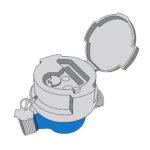


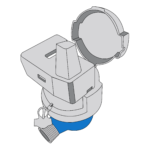


90% of water projects face delays. Wrong flanges and dead batteries waste time and money. I use strict checks and better designs to stop these basic errors.
Most overseas smart metering projects fail due to basic mechanical, communication, and environmental oversights. I use double-check systems, upgraded seals, and optimized IoT algorithms to solve flange mismatches, leaks, and activation blocks before shipment.
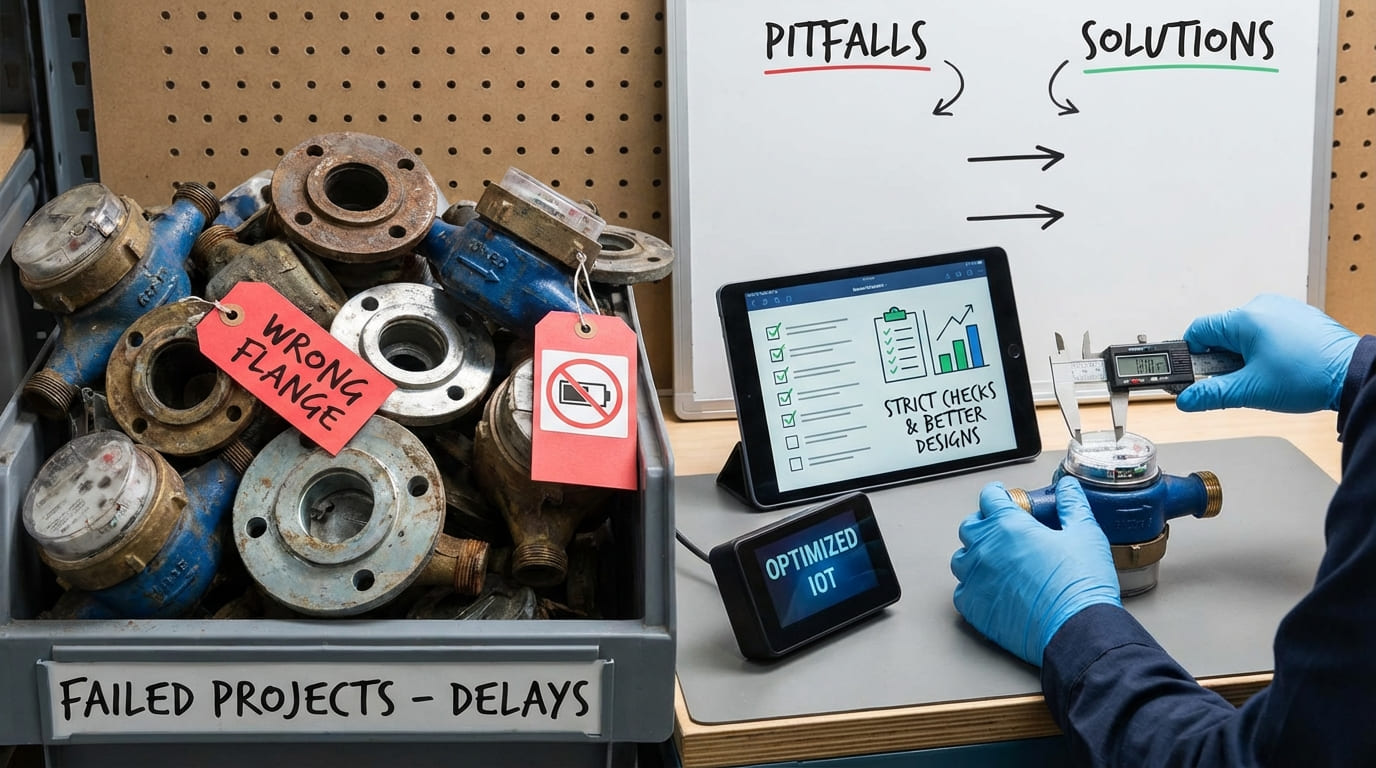
I reviewed delivery data from over 70 国. I found that the most expensive mistakes come from simple neglect. Let us look at the real problems and the exact steps I take to fix them right now.
How do we fix flange mismatches and dial marking errors?
Wrong flanges stop field installations. Incorrect dial marks confuse project inspectors. You lose massive money on international returns. I use strict visual checks to prevent this.
I use a double visual check for flanges and a strict Technical Deviation Sheet for dials. We photograph flange holes before shipping and require double signatures for dial marks like T30.
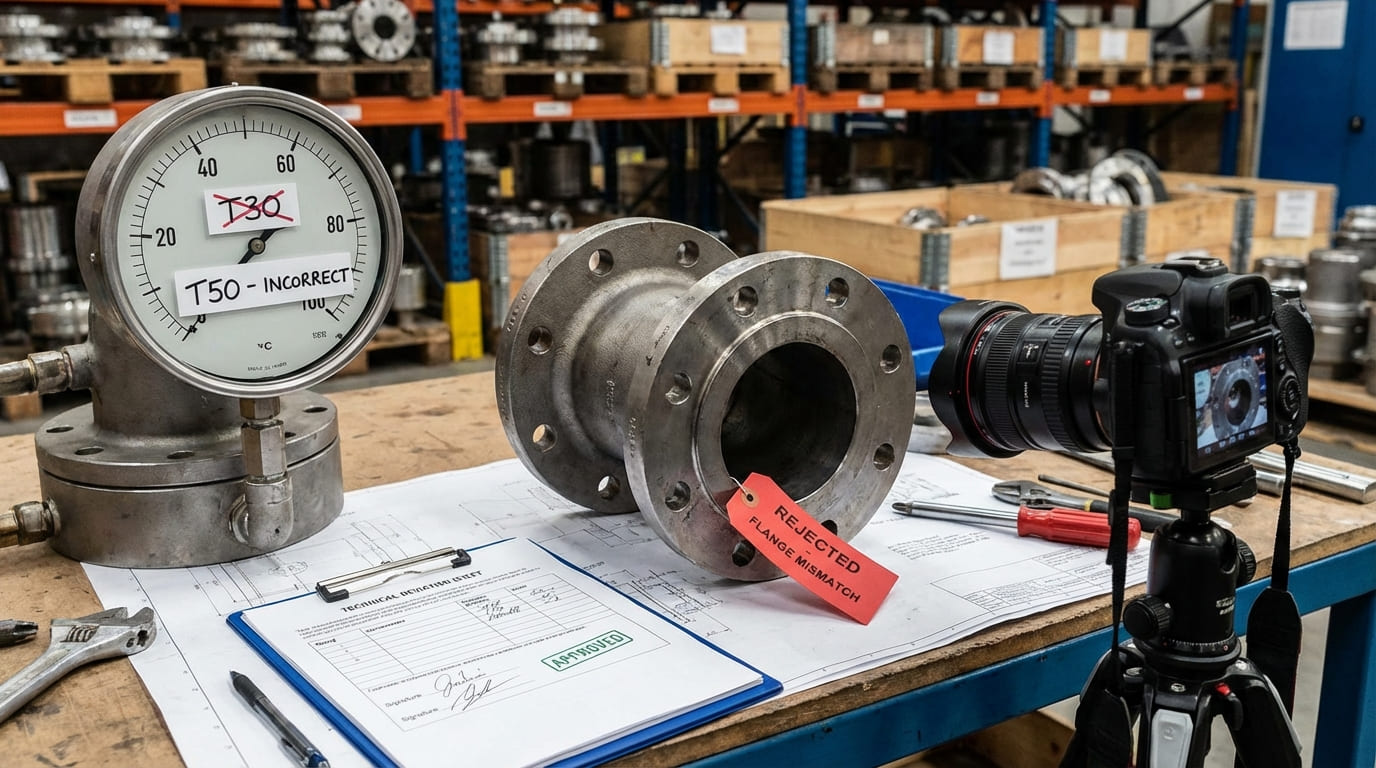
Pitfall 1: Flange Mismatch
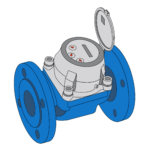
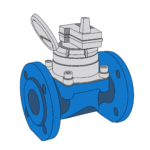
The order asks for an ANSI 150RF 8-hole flange. The factory ships a PN16 12-hole flange. The whole site stops. I fix this with a strict double visual check. We keep different body standards in separate warehouse zones. We also take photos of the flange holes and match them with the original order documents before we ship.
Pitfall 2: Dial Marking Errors
A project needs hot water meters for T70 or T90 environments. The factory prints T30 on the dial. Inspectors reject the batch instantly. The YOUNIO residential ultrasonic smart water meter clearly lists T30 and T50 for cold water [6]. To avoid wrong marks, I use a Technical Deviation Sheet. The engineering team and the client must sign the exact dial template. This stops misunderstandings early.
| Pitfall | Root Cause | YOUNIO Solution |
|---|---|---|
| Flange Mismatch | Mixed warehouse stock | Double visual check and shipping photos |
| Marking Errors | Unclear order details | Signed Technical Deviation Sheet |
Why do screws loosen and seals fail under high pressure?
High pressure vibrates pipes. Screws fall out. Cheap seals wash away. Meters read incorrectly and you lose revenue. I upgrade the physical structure to stop this.
I redesign the structure to shrink O-rings and upgrade to E-type enhanced gaskets. This stops screw loosening under vibration and prevents seals from washing out under high-speed water flow.
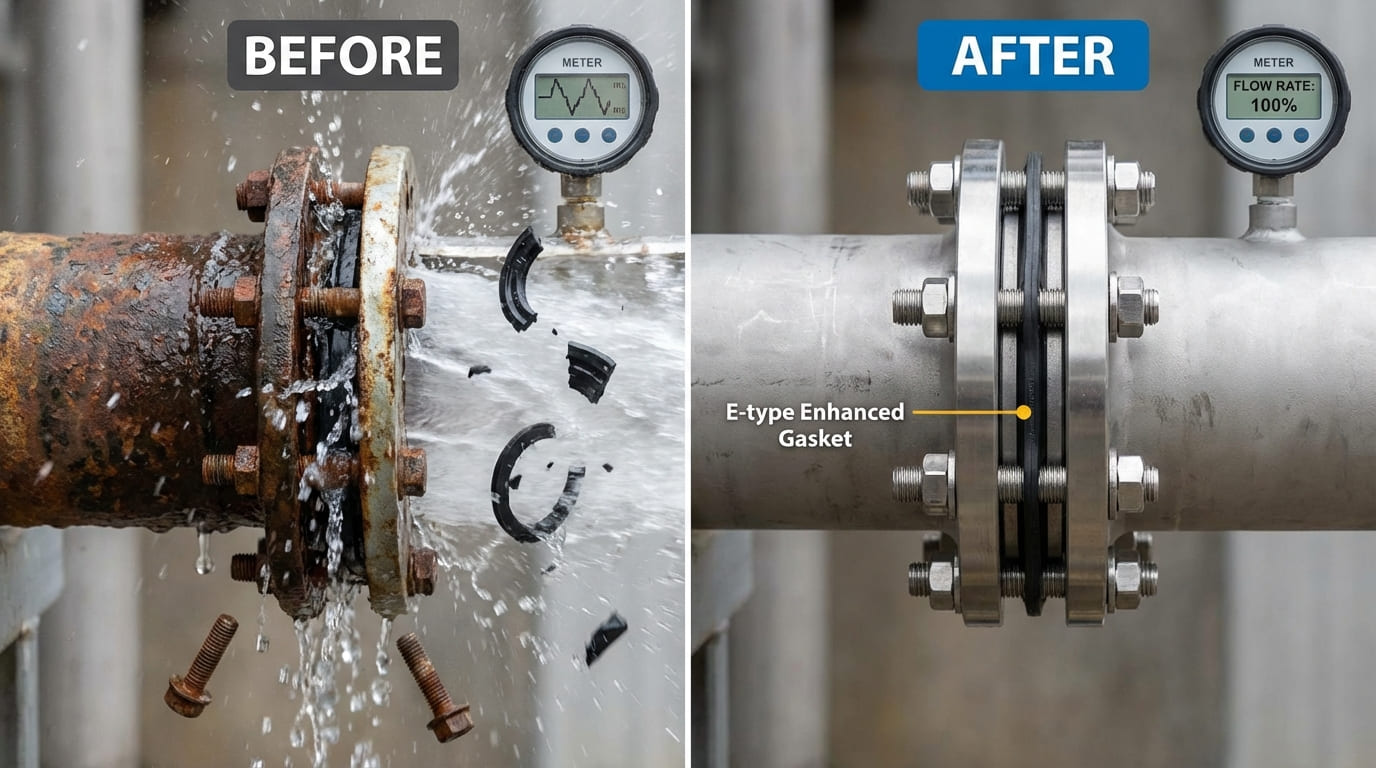
Pitfall 3: Screw Loosening
In high-pressure networks, thick O-rings between the brass body and the cover compress over time. Vibration then shakes the locking screws loose. I solve this by changing the physical structure. We reduce the O-ring wire diameter and improve the mechanical fit. This keeps the meter tight even under extreme pipe pressure.
Pitfall 4: Sealing and Inaccurate Reading
High-speed water flows can push standard inlet washers out of place. This blocks the flow or changes the pressure, causing bad readings. I replace normal flat washers with an E-type enhanced gasket. I also optimize the mold. This totally stops the seal from moving. YOUNIO ultrasonic smart water meters offer a wide measurement range of Q3/Q1 = R400 [5]. To protect that high accuracy, the physical seal must stay perfectly still under all conditions.
| Pitfall | Root Cause | YOUNIO Solution |
|---|---|---|
| Screw Loosening | Thick O-rings compress | Reduce wire diameter, improve fit |
| Seal Washout | Flat washers shift | E-type enhanced gasket |
How do missing parts and sleep modes block field activation?
Workers open boxes and find no gaskets. Meters stay asleep and refuse to connect. The deployment halts. I use digital scales and new algorithms to fix this.
I stop missing parts with digital weight checks and packing photos. To fix false sleep modes, I upgrade the NB-IoT and LoRaWAN wake-up algorithm and add a simple one-touch activation test.
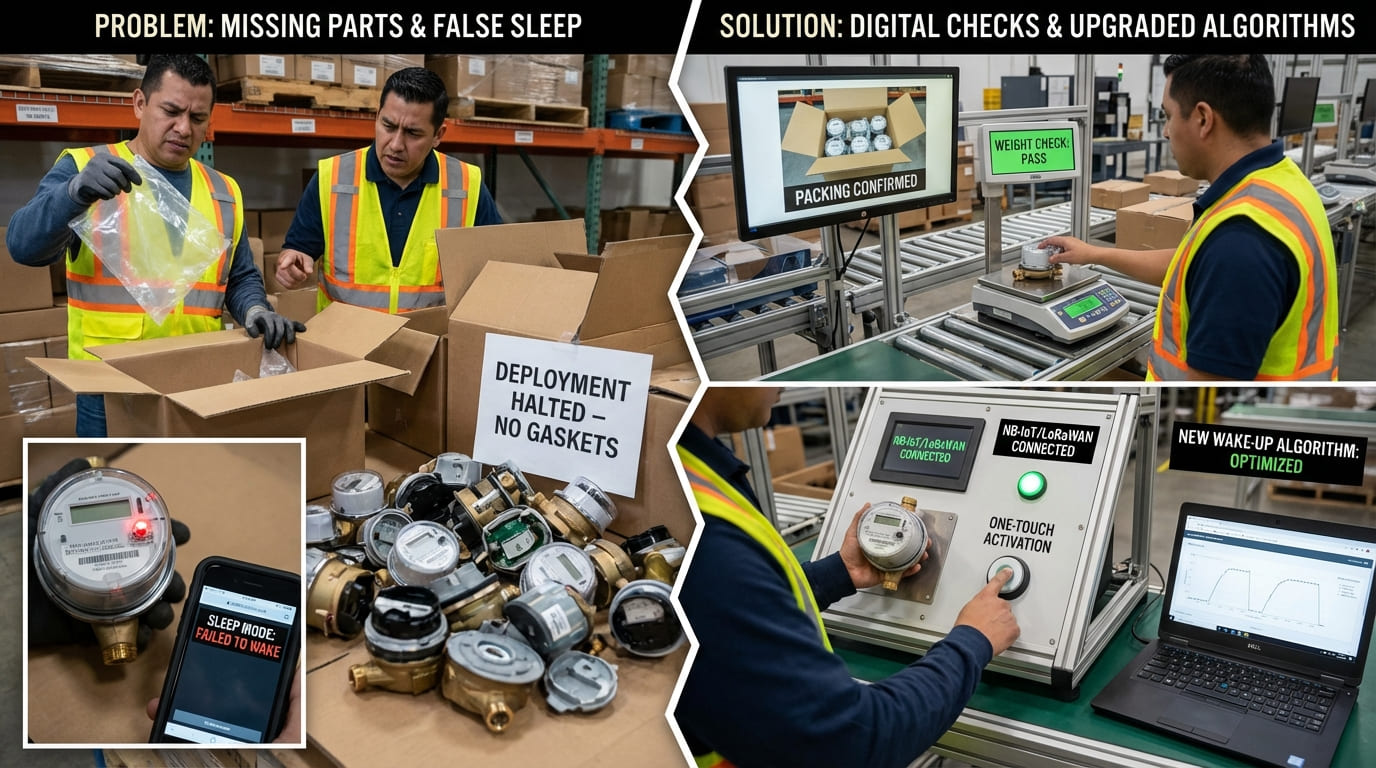
Pitfall 5: Missing Accessories
Imagine a worker in a deep trench. They open the meter box. The gaskets or connectors are missing. The field work stops entirely. I prevent this with a strict weight verification system. Every accessory bag passes over a digital scale. We also take a packing photo. Every box gets a digital check before it leaves the factory.
Pitfall 6: Wake-up Failure
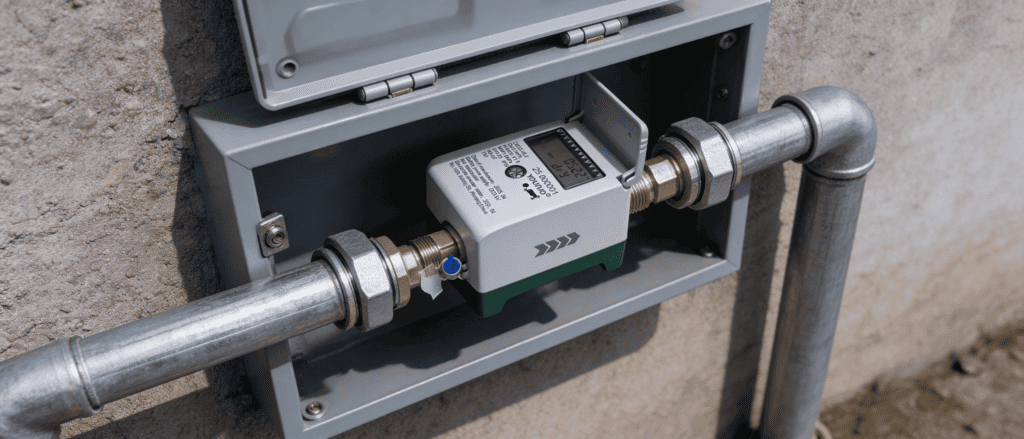
Smart meters use low-power modes to save battery life. Sometimes they look dead. Field workers think the meter is broken. I solve this by optimizing the NB-IoT and LoRaWAN wake-up algorithms. I also add a one-touch activation test to the field manual. YOUNIO ultrasonic meters feature a clear digital display that shows errors, alarms, and measuring values. Workers can instantly see the LCD wake up and confirm the meter is alive.
| Pitfall | Root Cause | YOUNIO Solution |
|---|---|---|
| Missing Parts | Human packing error | Digital scale and packing photo |
| Sleep Mode | Complex wake-up logic | Optimized algorithm and one-touch test |
Can smart meters survive salt fog and rapid battery drain?
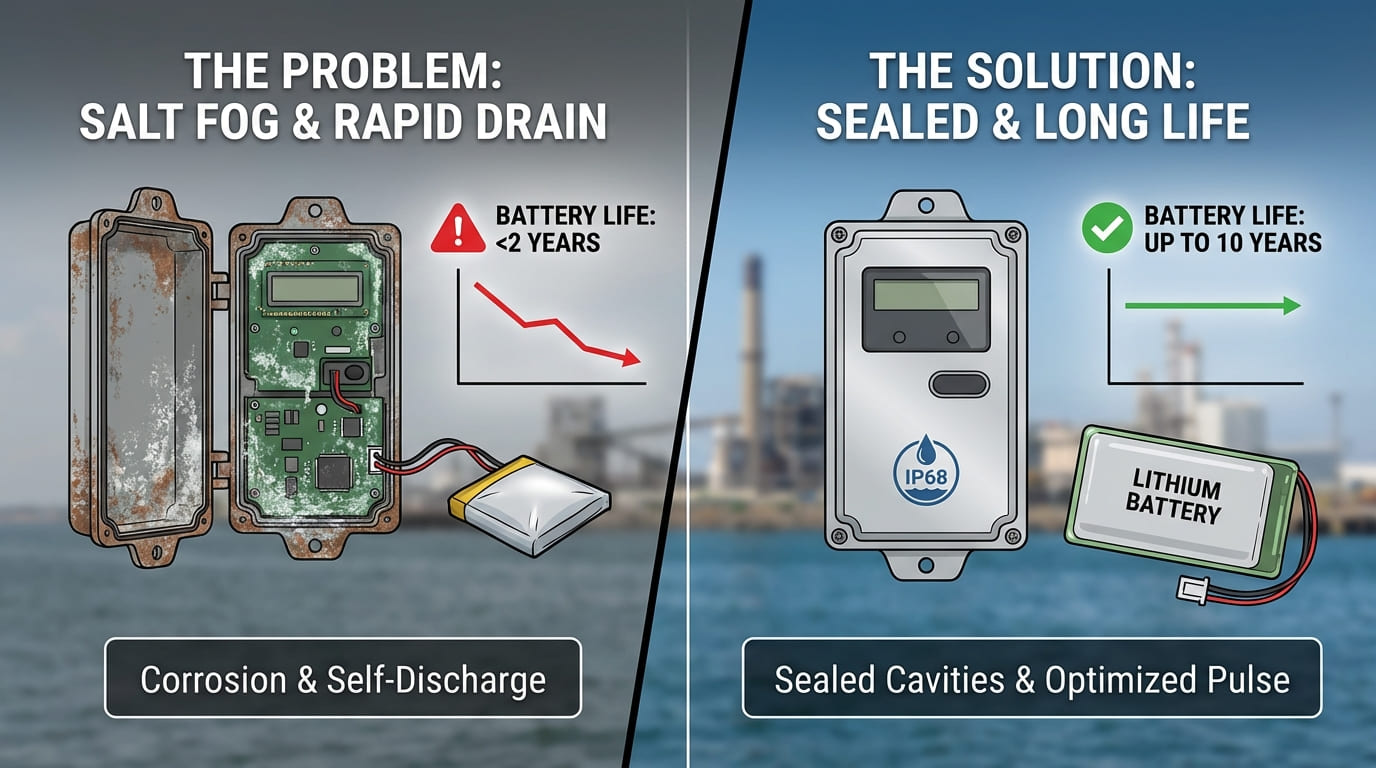
Salt air destroys meter bodies. Fast self-discharge kills batteries in two years. You face massive replacement costs. I use sealed cavities and large batteries to prevent this.
I demand IP68 protection and sealed cavities to block salt fog. I also select high-capacity lithium batteries and optimize network pulse algorithms to guarantee up to 10 years of life.
Pitfall 7: Salt Fog Corrosion
In coastal projects, salt air eats through normal paint. Metal bodies rust. Electronic pins corrode quickly. I stop this by using solid brass bodies for the meters. I also require fully sealed electronic cavities. YOUNIO uses vacuumed electron cavities to prevent glass fogging and ensure IP68 submersible protection. This blocks salt entirely and protects the core electronics.
Pitfall 8: Fast Battery Drain
Utilities expect batteries to last a decade. Poor network signals force meters to search constantly. The battery dies in two years. I fix this by using stable 3.6V lithium batteries. YOUNIO meters run for up to 10 年. I also adjust the network retry limits. If the signal drops, the meter waits instead of draining power.
| Pitfall | Root Cause | YOUNIO Solution |
|---|---|---|
| Salt Corrosion | Exposed electronics | Vacuumed cavity and IP68 rating |
| Battery Drain | Endless signal search | 3.6V battery and smart retry limit |
How do we fix protocol conflicts and token transfer failures?
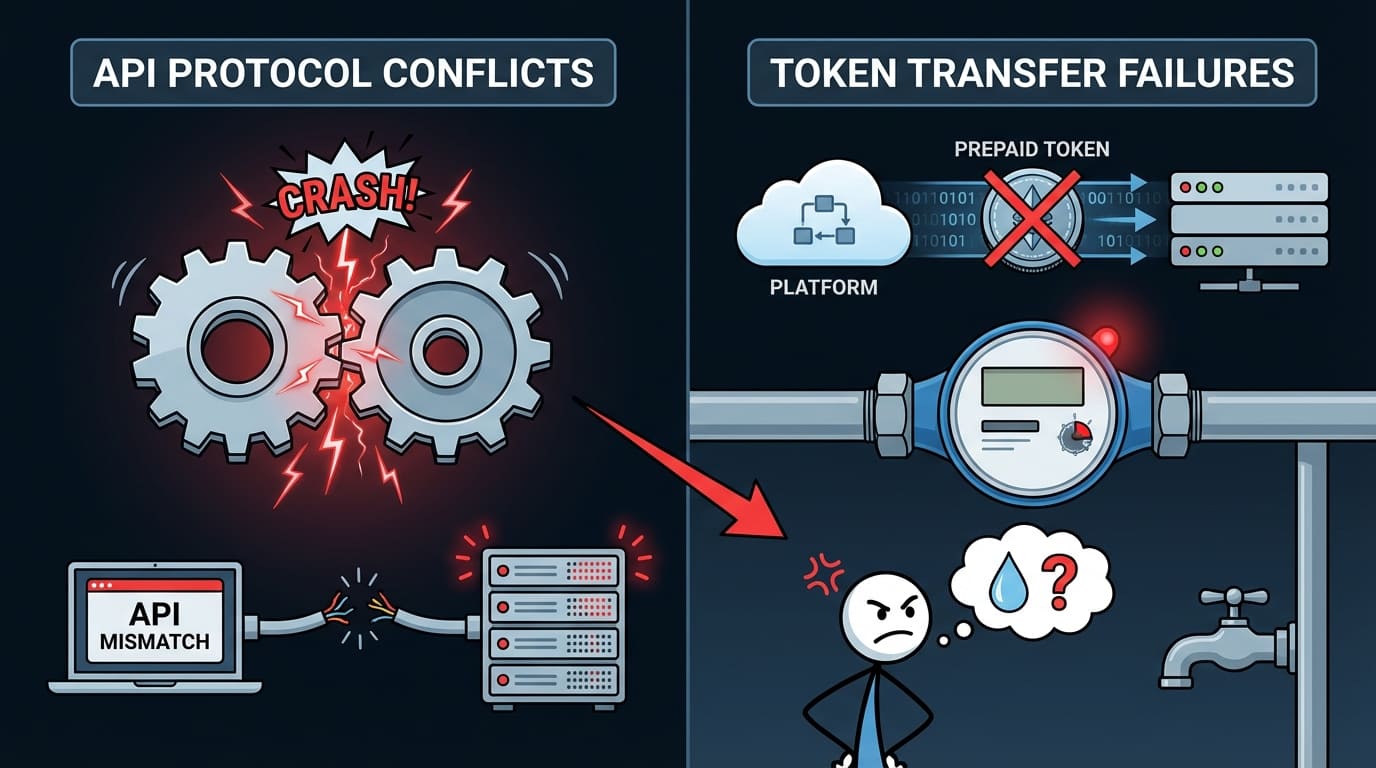
API mismatches crash software integrations. Prepaid tokens fail to reach the meter. Customers lose water and get angry. I use early sandbox tests to avoid this.
I share strict API documentation before shipping to stop protocol conflicts. I also use a two-way acknowledgment for token transfers so the meter and the platform stay perfectly synced.
Pitfall 9: API Protocol Conflicts
The utility tries to connect the new meter to their old billing software. The API versions clash. The data stays stuck. I avoid this by defining the API scope early. I test the integration in a sandbox environment before the hardware arrives. This solves software bugs before the field deployment begins.
Pitfall 10: Prepaid Token Failures
A user buys water. The network drops the token. The user stays dry. I fix this by adding a two-way handshake to the communication. The system resends the token until the meter confirms it. The meters also feature data logging capabilities to record up to 14x24 hourly values, 366 daily values, そして 72 monthly values. This ensures no data is lost during network drops.
| Pitfall | Root Cause | YOUNIO Solution |
|---|---|---|
| API Conflicts | Unmatched software versions | Early sandbox testing |
| Token Fails | One-way communication | Two-way handshake and data logging |
結論
Basic mistakes cause the worst delays. By controlling flanges, seals, and software tests, I protect your budget and ensure zero-defect overseas smart metering deployments.