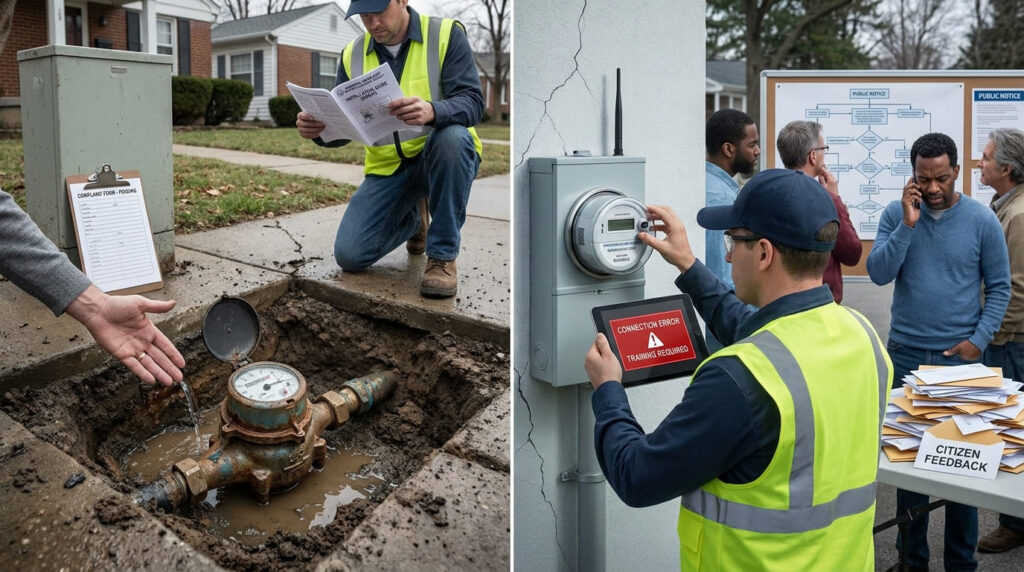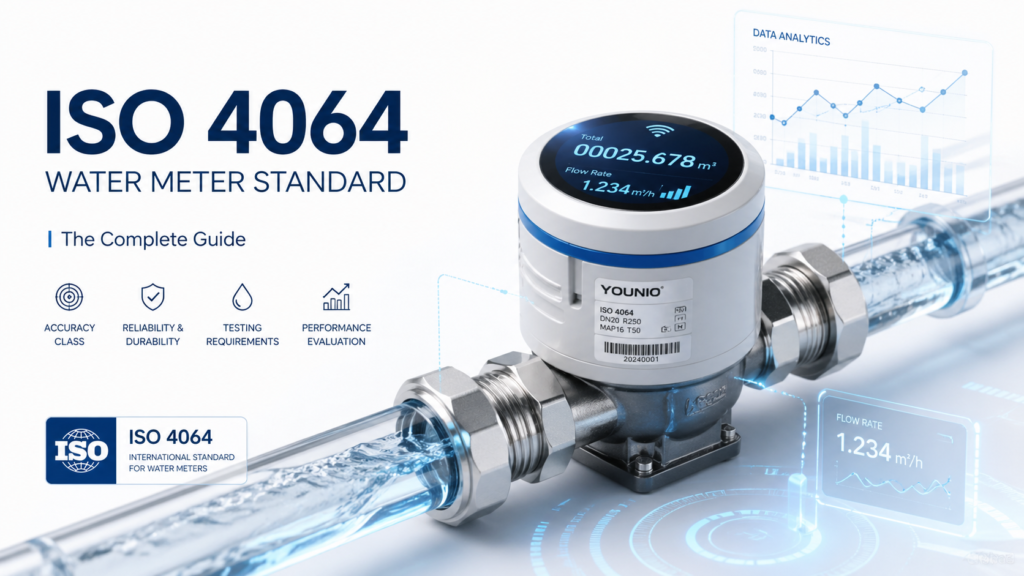

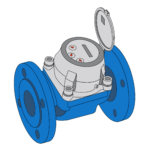


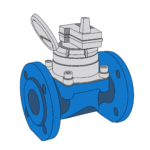

ウォルトマンメーターが都市部の幹線で非常にうまく機能するのを見てきました. また、隠れた欠陥によって一度に多数の大型メーターが停止するのを見たことがあります。.
ウォルトマンの水道メーターの自治体プロジェクトは、安定した中流量から大流量の大きなパイプラインで最も効果的に機能します。. 低流量期間が長く続くと故障が多くなります, 設置条件が悪い, バッチ欠陥, ベンチの不一致, 測定ユニット内部の機械的ストレスと.
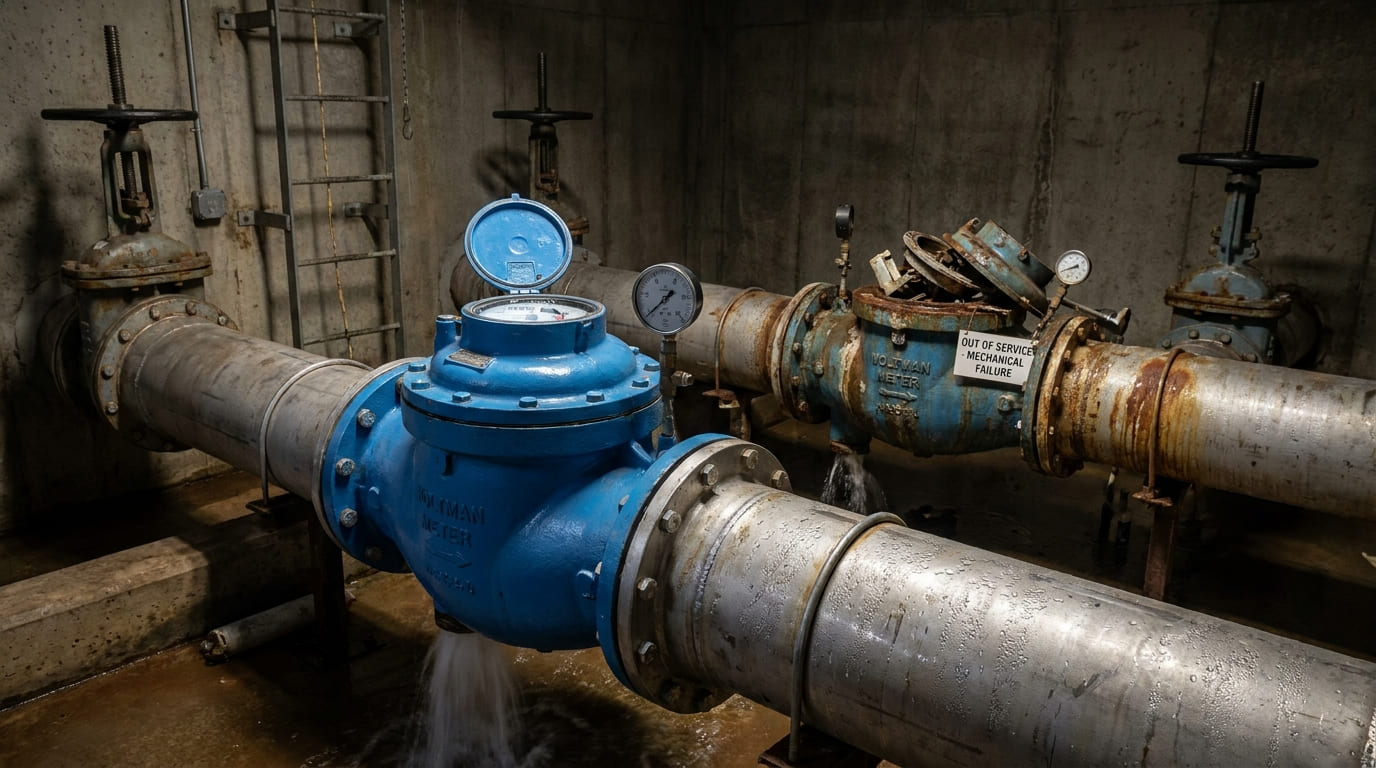
私はウォルトマンメーターを家庭用メーターの大きいバージョンとして扱いません. 別のリスククラスとして扱います. DN80, DN100, DN150, またはそれ以上の自治体のメーターがより多くの水を流します, より多くの請求額, 設置費用が増える, そしてさらなる社会的圧力. 失敗したら, 問題はメーターだけの問題ではない. プロジェクトの問題になる.
ウォルトマンの水道メーターは都市のパイプラインでどのように機能するのか?
構造がシンプルに見えるため、多くのバイヤーがウォルトマンメーターを選択しているのを見てきました。. しかし、実際のパフォーマンスは流量プロファイルに依存します, 軸受荷重, タービンバランス, そしてレジスタ送信.
ウォルトマンの水道メーターは、主流路に設置されたタービンまたはインペラを使用します。. 水がローターを動かす, ローターの動きはレジスターに伝達されます. 大規模な都市や産業の流れに広く使用されています.
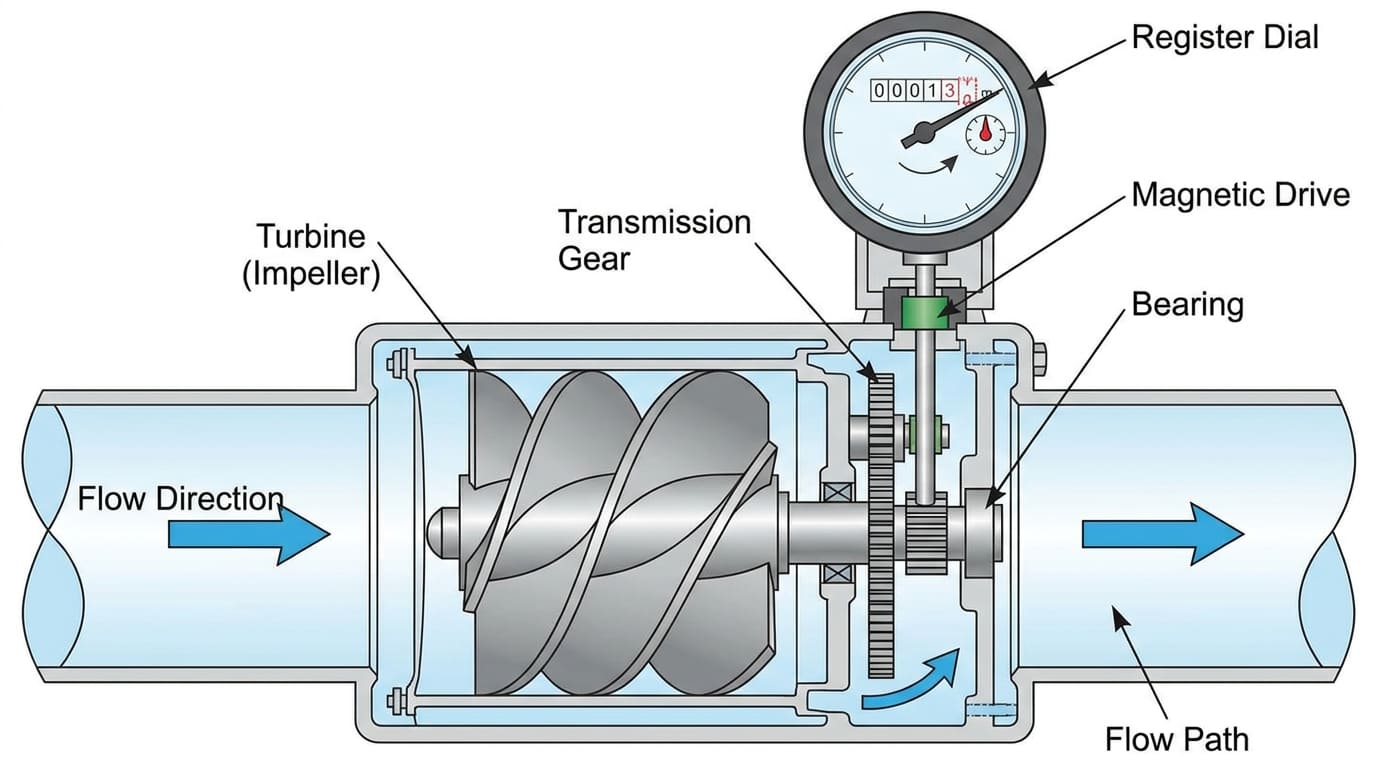
カタログを見る前に測定器を見る
ウォルトマンメーターは、流れのエネルギーをローターの動きに変換することで水を測定します。. 水平方向のウォルトマンデザインで, ローター軸は通常パイプラインと平行です. この設計は、多くの小型メーター構造よりも低い圧力損失で大量の水を通過させることができます。. 自治体の本管でウォルトマンメーターをよく見かけるのはそのためです, 地区メーター, 大量の給水ポイント, 工業団地s, 灌漑ライン, 大きな建物の入口.
カウンターに動きがどのように届くのかも確認します. 一部のデザインでは磁気伝達を使用します. 一部の設計では機械的カップリングを使用します. 一部の設計では密閉型カウンターアセンブリを使用しています. 各設計には独自の失敗点があります. ローターはスムーズに回転するが、カウンターが詰まっている場合, メーターは現場ではまだ故障します. カウンタは動くが、流れの乱れによりローターが不安定な場合, 測定値が信頼できなくなる可能性があります.
メーター構造もISOの考え方に結びつける. 水道メーターは、その目的に十分な強度と耐久性を備えた材料で作られている必要があります, 動作範囲内での水温変化によって損傷を受けてはなりません [4]. この要件は、ウォルトマン メーターにとって非常に重要です。なぜなら、メーターが大きいとより多くの機械的負荷がかかり、多くの場合、より厳しい現場条件に直面するからです。 [4].
| ウォルトマンパート | 私がチェックしていること | なぜそれが重要なのか |
|---|---|---|
| ローターまたはタービン | バランス, クリアランス, 軸受荷重 | 計量動作を制御します |
| 測定室 | 流路と安定性 | 精度に影響します |
| カウンタ | スムーズな動きと密閉性 | 可読量に影響します |
| 伝染 ; 感染 | 磁気または機械的結合 | 長期的な信頼性に影響します |
| 体 | 強さ, フランジ, コーティング | 設置の安全性に影響します |
| シールとガスケット | 圧縮と応力 | 漏れや変形に影響を与える |
ウォルトマン水道メーターの自治体プロジェクトが大口径パイプラインに優れている理由?
ネットワークのバルクフローが安定している場合、私はウォルトマンメーターを推奨することがよくあります. ボリューム重視で作られています, 夜間の小さな漏れには対応しません.
ウォルトマンの水道メーターは、より高い流量を処理できるため、大規模な都市パイプラインで優れています, より大きなパイプサイズ, 小規模な家庭用メーター構造よりも優れた一括請求ポイント. DMA インレットに実用的です, 貯水池, ポンプ場, および都市交通線.
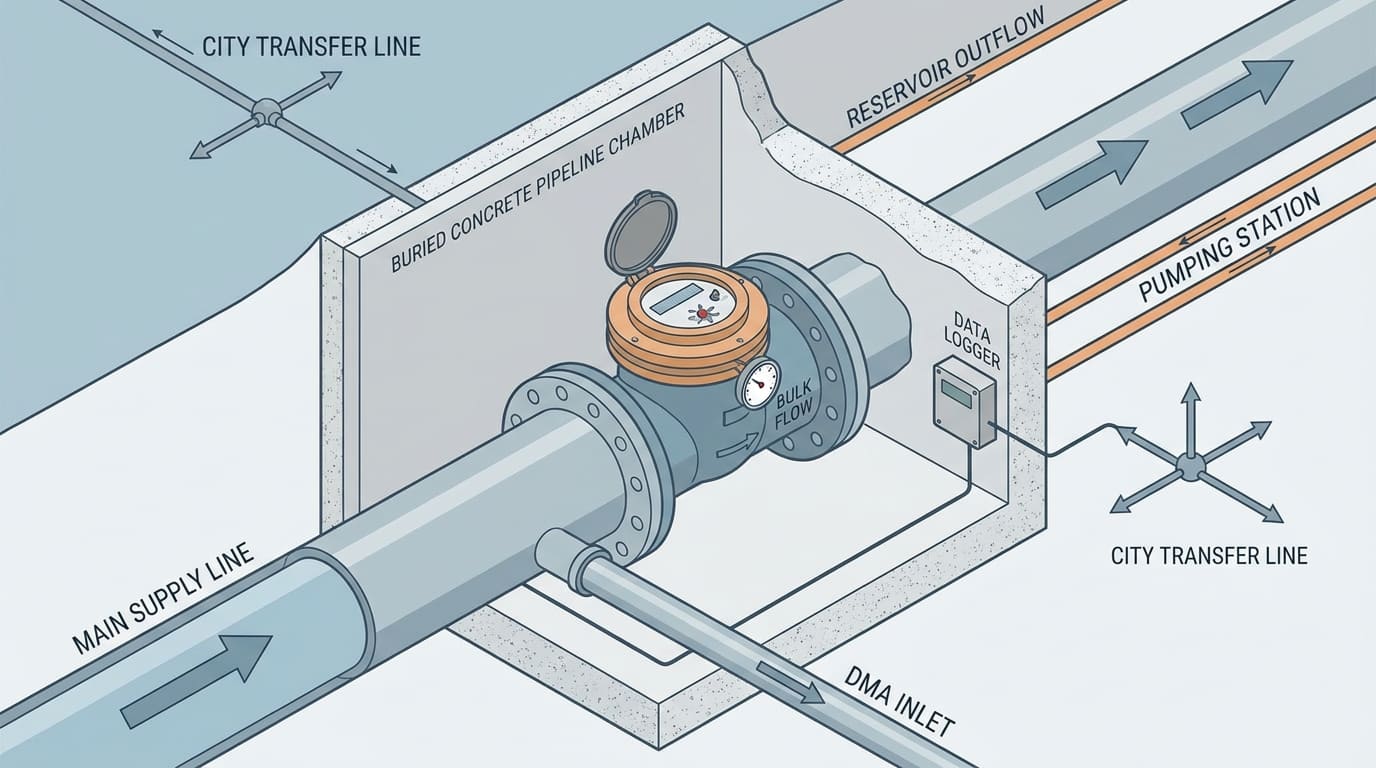
目が覚めるほど流れが強い場合は、ウォルトマンメーターを使用します
都市ネットワーク内, ウォルトマンのメーターは、水需要が健全な動作範囲内に長時間留まる地点で最もよく機能することがわかります。. これらのポイントには、地区入口チャンバーが含まれる場合があります, 主要な輸送ライン, 工場供給ポイント, 大規模な商用ユーザー, アパートコミュニティの入り口, および灌漑接続.
主な強みは流量です. ウォルトマン メーターは、公共事業者に複数の小型メーターを並列に設置することなく、大量の水量を測定できます。. これによりチャンバーのレイアウトが簡素化されます. 関節の数も減ります, バルブ, 継手, 漏れの可能性のある箇所. 多くの場合, 適切なサイズのウォルトマン メーターを 1 つ使用する方が、複雑な複数のメーターを配置するよりも管理が簡単です.
私は優れたウォルトマン プラットフォームの機械的安定性も重視しています. 良い体, 安定したローター, 明確なレジスター, 正しく取り付けることで、実用的な価格とパフォーマンスのバランスが得られます。. それでも環境を確認します. ISO では、水道メーターは、使用目的に応じて適切な強度と耐久性を備えた材料で作られることが求められています。 [4]. 私はこの要件を自治体の幹線の基本的な調達ルールとして使用します。, パイプ応力, メンテナンスサイクルが緩やかではない [4].
| 市営利用ポイント | ウォルトマンがうまく機能できる理由 |
|---|---|
| DMA インレット | 地区レベルのフローを処理します |
| ポンプ場の出口 | 大容量転送を測定します |
| 貯水池の排出 | バルク水道会計をサポートします |
| 工業団地の入口 | 大きなユーザーの需要に対応します |
| 灌漑本管 | 季節的な高流量に対応します |
| 大きな建物の入口 | サブ課金やコントロールをサポートします |
パイプ径だけでサイズを選ぶのではない
よくある間違いは、パイプ DN による単純なサイズ設定です。. 低流量期間が長いDN100パイプを見たことがある. 強力で安定した流れを備えたDN80パイプも見たことがあります. パイプサイズから取り付け可能なサイズがわかります. 実際の動作フローが分からない.
入手可能な場合は、時間ごとのフロー データを要求します. 完全なデータを取得できない場合, ポンプ容量をお聞きします, ユーザータイプ, 夜の流れ, ピークフロー, 最小安定流量. メーターがその寿命のほとんどを信頼できる動作ゾーンで過ごしたい. 大きなメーターが長時間過小負荷のままであると、低流量が過少に記録される可能性があります. 少量の消費が重要な場合には、顧客との紛争が生じる可能性もあります.
部分負荷および低流量条件下でウォルトマンの水道メーターが故障するのはどのような場合ですか?
実際の需要に対してメーターが大きすぎると、ウォルトマンメーターの価値が失われるのを見てきました。. パイプラインが大きく見えた, しかし流量が低すぎた.
ウォルトマンメーターは、ローターが始動して安定を維持するのに十分な流れエネルギーを必要とするため、部分負荷と低流量条件に敏感です。. サイズを大きくしすぎると登録数が不足する可能性があります, 遅れたスタート, 測定値が不安定, 低流量性能が低い.
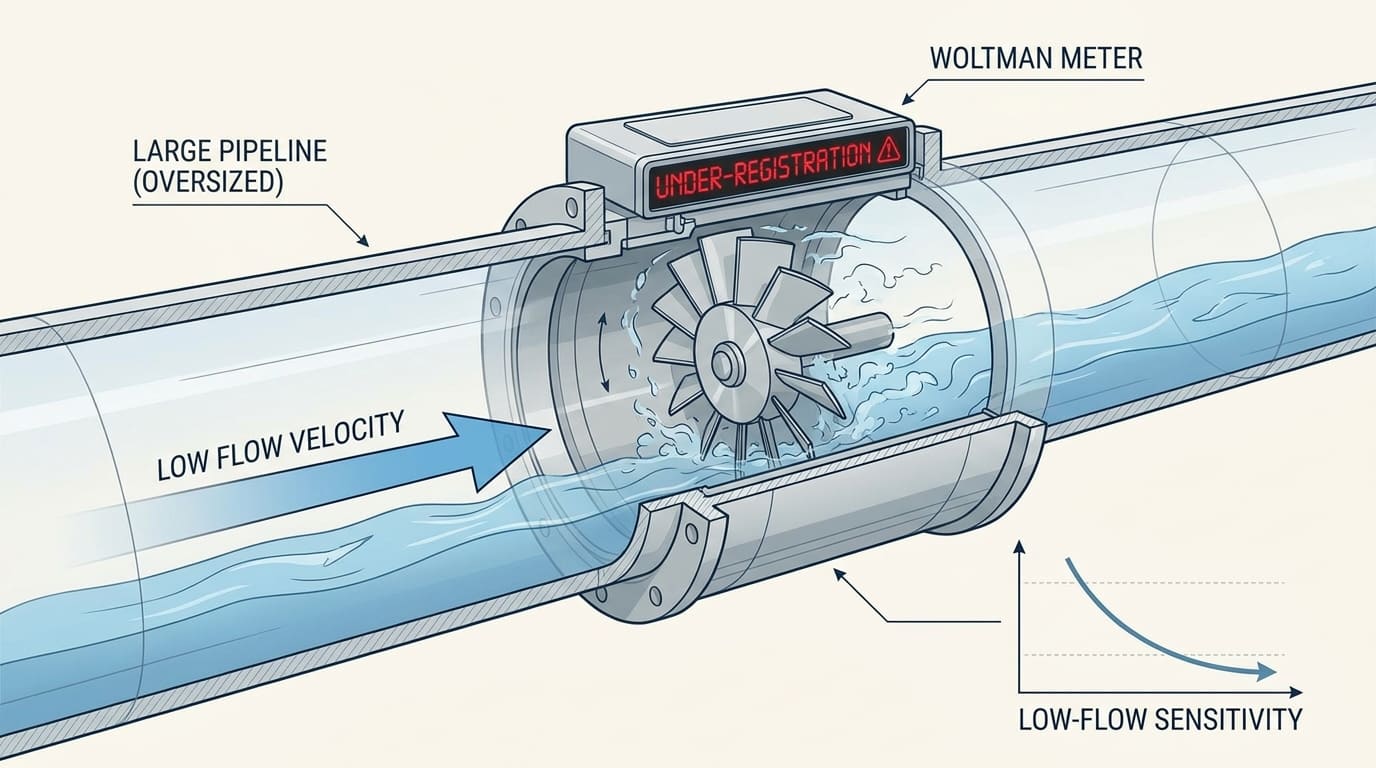
低流量の動作をサイジングのリスクとして扱う
ウォルトマンメーターは通常、流れが強くて安定しているときに良好に機能します. ただし、流量が長期間にわたって低い状態が続く現場では、必ずしも最良の選択であるとは限りません。. 低流量時, ローターが十分な水エネルギーを得ることができない可能性があります. メーターは微量の流れを見逃す可能性があります. ローターが不規則に動くこともある. これにより、実際の使用と請求された使用の間にギャップが生じる可能性があります.
これが流動曲線を求める理由です, Q3や呼び径だけでなく. 最低限の流れを知りたい, 過渡的な流れ, 永久的な流れ, 過負荷フロー, そして予想される作業バンド. 購入者のみが要求した場合, 「この DN100 メーターは私の DN100 パイプに適合しますか?」?「答えはイエスかもしれない」. しかし、より良い質問は、, 「この DN100 メーターは、ほとんどの場合、適切に測定できる十分な流量を検出しますか??」
地方自治体のプロジェクトには混合フロー パターンが含まれることがよくあります. 移送本管は、ポンプの稼働時間中は高く、夜間には低くなることがある. 地区の取水口では、日中の流れが安定しており、夜間の流れが非常に少ない可能性があります. 大規模なユーザーが週末にシャットダウンする可能性がある. これらのパターンにより、ウォルトマン メーターが紙の上では正しく見えても、実際の操作では弱くなってしまう可能性があります。.
| 敷地状況 | ウォルトマンリスク |
|---|---|
| 長い夜の低流量 | 登録不足 |
| 特大メーター | 始動性が悪い |
| 断続的なポンピング | ローター応力と不安定なプロファイル |
| パイプライン内の空気 | 読書妨害 |
| 直管が悪い | フロープロファイルエラー |
| 堆積物 | ローターまたはベアリングの摩耗 |
低流量が重要な場合、ウォルトマンを他のタイプのメーターと比較します
プロジェクトで非常に低い流量を捕捉する必要がある場合, ウォルトマンを容積測定と比較してみます, 超音波, 電磁, または複合メーターオプション. 常に1つのタイプが優れているとは言いません. メーターは流量プロファイルと一致する必要があると言います. ウォルトマンメーターは強力な自治体メーターになり得る, でもそれは魔法ではありません. 適切な油圧状態が必要です.
電子アドオンにも注目. ウォルトマンメーターに脈拍が含まれている場合, Mバス, ロラ, nb-iot, または別のモジュール, 測定システムは、指定された外乱下で重大な障害を引き起こしてはなりません [3]. メーターが電子チェック機能を使用している場合, ISOも電子水道メーターにチェック機能を備えるべきだと主張, 限られた場合を除いて, そしてそのようなメーターは指定どおりに逆流を防止または検出する必要があります [3]. ユーティリティがリモート読み取りを使用する場合、低流量に関する苦情がデータに関する苦情になる可能性があるため、これは重要です。 [3].
ウォルトマンの水道メーターの自治体プロジェクトではどのような苦情パターンが見られますか?
メーターの大きな苦情が明確なパターンに従っているのを見たことがあります. 最初の苦情は孤立したものとして扱われることが多い, しかし、バッチ履歴は別のことを物語っていることがよくあります.
典型的な苦情には、低流量の登録不足が含まれます。, カウンタージャミング, 漏れ, シールの変形, 異音, 精度の拒否, パルス障害, コミュニケーションの不一致, 工場と地元のテストベンチの間の紛争.
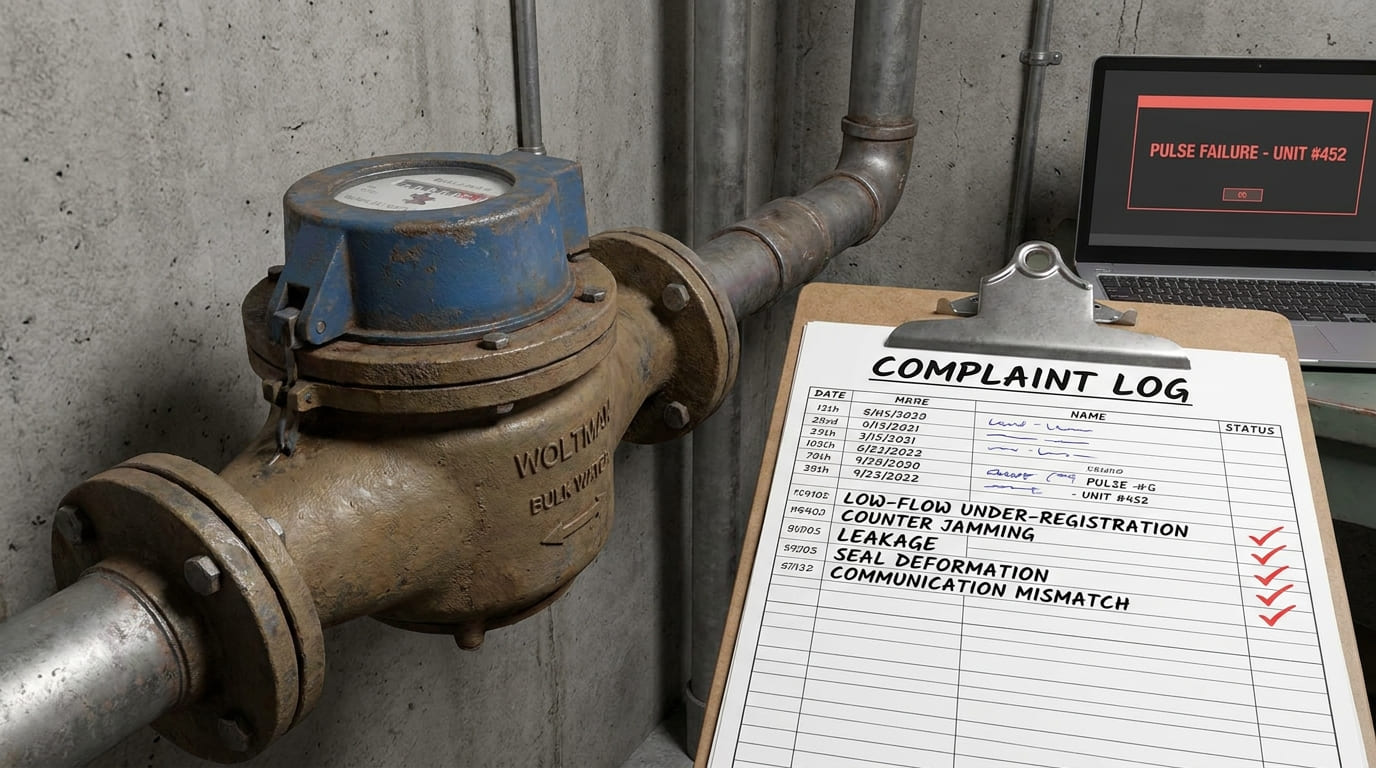
苦情を故障モードごとに分類します, 顧客の感情ではなく
市のプロジェクトから「メーターが故障している」と報告された場合,「その文にとどまりません」. 問題を分離します. メーターは不正確ですか? カウンターが固着してるのかな? ローターが詰まっていませんか? レジスターが読めないのか? シールが漏れていませんか? リモートモジュールが送信していないのか? 地元の研究所はメーターを拒否していますか? それぞれのタイプは異なる根本原因につながります.
適切な苦情ファイルには DN サイズが含まれている必要があります, シリアルナンバー, 設置日, 流れの方向, パイプの状態, バルブ位置, 直管の長さ, 写真, テスト結果, そして失敗の説明. 1つのユニットに障害が発生するかどうかも尋ねます, 1カートン, 1つの製造日, または 1 つの完全なバッチ. 大型メーターは取り外してテストするのに費用がかかる. だから最初の調査が役に立つようにしたい.
ウォルトマンメーターの電子または遠隔読み取り用, バッテリーや通信設計もチェック. ISO は、バッテリーの仕様とタイプの評価では、登録されている最大総容量を考慮する必要があると述べています, 表示音量, 表示寿命, 遠隔読書, 極端な温度, 必要に応じて水の導電率も測定します [4]. プロジェクトでリモート読み取りを使用する場合, メーターは機械本体だけでは判断できません [4].
| 苦情のパターン | チェックする可能性のある領域 |
|---|---|
| カウンターがスタックしている | ギアトレイン, ストレス, ブラケット, ガスケット |
| 低い読み取り値 | オーバーサイズ, 低流量, ローターの摩擦 |
| 検査室での拒絶反応 | ベンチの状態, フロープロファイル, 較正 |
| 漏れ | フランジ応力, ガスケット, ボディコーティング |
| リモート障害 | センサー, 脈, ケーブル, バッテリー, モジュール |
| ノイズ | ローター, ベアリング, 空気, パイプの振動 |
| 曇ったレジスター | 密閉性と結露防止 |
| バッチリピート | 材料, 組み立て, デザイン変更 |
私はカウンタージャミングを非常に真剣に受け止めています
カウンターが固着している場合は、メーターがまだ設置されている可能性があり、水がまだ通過している可能性があるため、深刻です。. 現場スタッフがメーターを読み取るか、リモートシステムが警報を発しない限り、電力会社は問題をすぐに認識できない可能性があります。. 市全体のプログラムで, これにより、多くのサイレント請求エラーが発生する可能性があります.
これが、私が機械検査と機能テストの間に明確な関連性を求める理由でもあります。. メーターは圧力と外観のチェックに合格するだけではありません. レジスターは組み立て後にスムーズに動く必要があります. フルメーターは測定ユニットの後にテストする必要があります, カウンタ, ガスケット, シール, 本体と組み立て完了です.
あなたの自治体のプロジェクトのためにウォルトマンメーターの見積もりが必要です?
YOUNIO は、DN50 から DN500 までのヘリカルおよびアキシャル ウォルトマン水道メーターを供給しています, MID 認定およびテスト済み ISO 4064 クラスB/C. 工場テストレポートを提供します, バッチ整合性データ, 市全体のプログラムのための現場委託サポート.
ウォルトマン水道メーターの一括設置のリスクが高いのはなぜですか?
1 つの大きなメーターのバッチが作成されるのを見たことがあります。 50% リスクグループ. コストは製品代金だけではありませんでした. 撤去でした, テスト, 遅れ, そして信頼喪失.
各ユニットの移動に費用がかかるため、Woltman メーターの一括設置のリスクが高い, インストール, 取り除く, 再テスト, そして交換してください. 隠れた欠陥が 1 つのバッチにわたって繰り返される場合, 電力会社はプロジェクト全体の混乱に直面している.
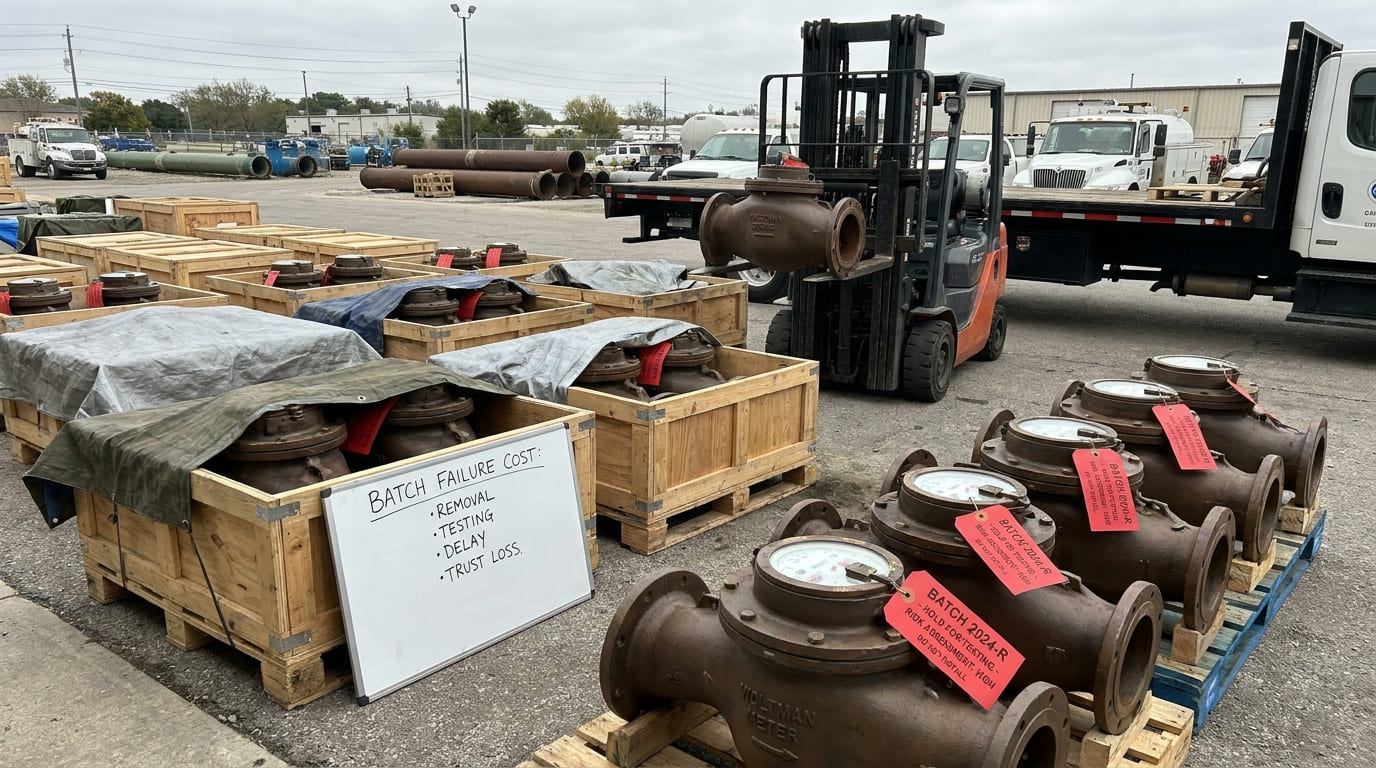
私は DN50 のケースを地方自治体の購入者への警告として使用しています
1 つのバッチ ケースには DN50 大型メーターが含まれていました. そのバッチでは, 260 ユニットが不適格であることが確認された, そして 608 単位が疑わしい. 私はこれを次のように読みました 50% リスクバッチ. たとえすべての疑わしいメーターが故障しなかったとしても, プロジェクトチームはバッチを安全なものとして扱うことができませんでした. 購入者は設置を中止するかどうかを決定する必要がありました, 再テスト, 検疫, または交換します.
この事例は、大規模メーターの調達が最終価格だけに依存してはいけない理由を示しています. DN50 メーターは DN80 または DN150 よりも小さいです, しかし、それはまだ家庭用の小さなメーターではありません. さらなる扱いが必要です. また、バッチを再度チェックする必要がある場合、コストが高くなります。. 都市プロジェクトにはクレーンが必要になる場合があります, 道路許可, バルブの停止, チャンバーへのアクセス, と設置チーム. 繰り返される欠陥はすべて高価になります.
私は大規模展開の前に必ずパイロット バッチ テストを依頼します。. 初品検査もお願いします. 測定器の写真が欲しい, ローター, シール, ガスケット, カウンタ, そして体. 各メーターをシリアル番号に関連付けたい. ISO では、水道メーターはその用途に適した耐久性のある材料で作られることを義務付けています [4]. 私はその要件を利用して、より強力なバッチ制御を推進します。, バッチが追跡できない場合、「使用に適している」という意味はほとんどないからです。 [4].
| バッチリスク項目 | 私が求めるもの |
|---|---|
| シリアルナンバー | 1 つのメーターは 1 つのレコードにリンクする必要があります |
| パイロットバッチ | 本格的な展開前に少量 |
| 組み立て写真 | 重要な部品の証拠 |
| ベンチレポート | メーターごとのテストデータ |
| 隔離ルール | 繰り返し故障が発生した場合は出荷を停止する |
| 再テスト計画 | 紛争前に合意された方法 |
| スペアパーツ | 許可されている場合はパスを修復します |
| 交換計画 | 欠陥が全身性である場合の迅速な対応 |
未知のリスクのメーターを実際の都市ネットワークに設置することは避けます
大型メーターをチャンバーに埋め込んだら, 疑いの代償は高くつく. メーターがまだ工場にある場合, 疑いがあるとテスト時間がかかる. すでにメーターが設置されている場合, フィールドチームのコストに疑問がある, シャットダウン, そして公的調整.
これが私が段階的導入を好む理由です. 最初の地区が安定した結果を得る前に、都市全体をインストールに投入するのは好きではありません. 1 つのパイロットエリアを使用します, それから 1 つの大きな地区, その後完全展開. これにより、隠れた欠陥が現れた場合の経済的ショックが軽減されます。.
メーターテストベンチの大きな差異がDN80以上で悪化するのはなぜですか?
同じバッチがあるベンチでは合格し、別のベンチでは失敗するのを見たことがあります. DN80以上の場合, その違いは極端になる可能性があります.
フローコンディショニングが行われるため、メーターテストベンチの不一致がサイズによってさらに大きくなります。, 直管, バルブ位置, 圧力の安定性, ベンチ容量, および読み取り方法は、流量が高いほど結果により強く影響します。.
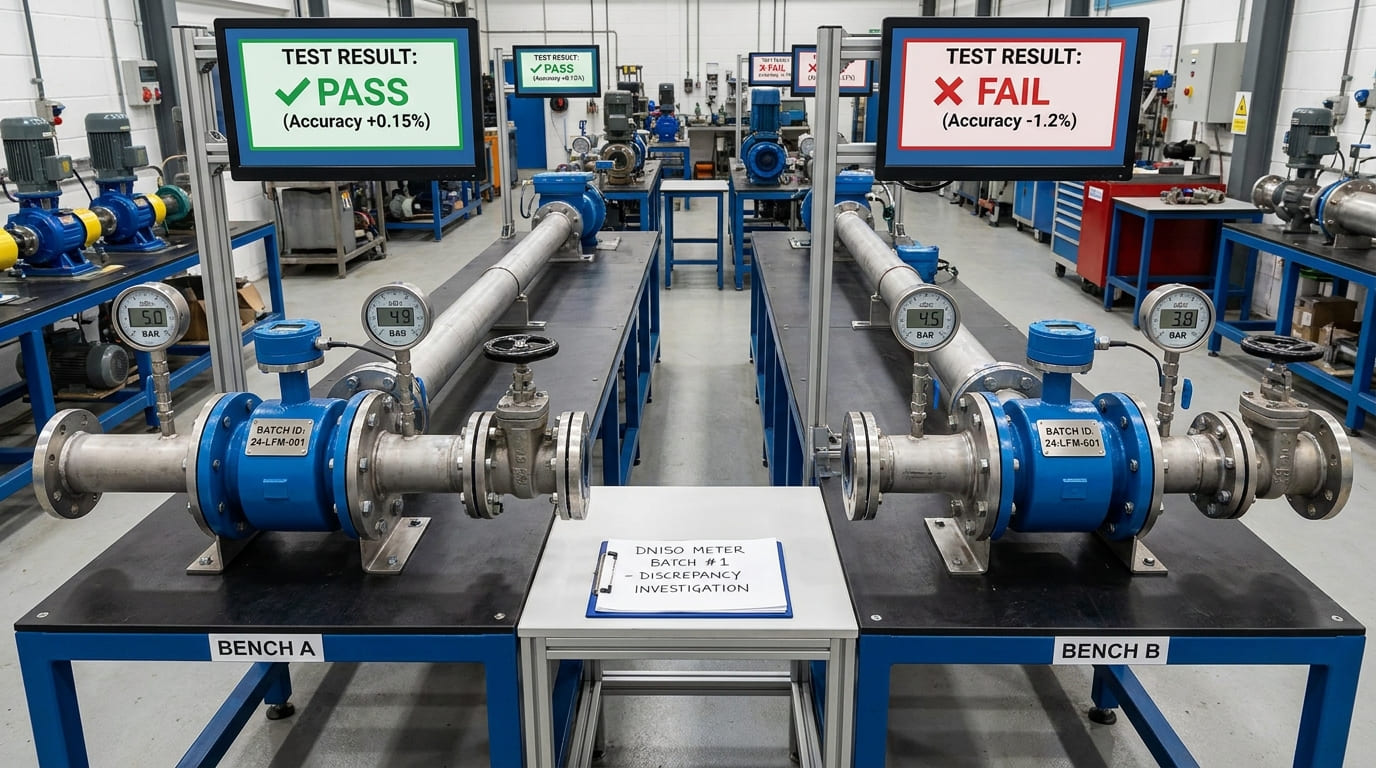
DN80+ テストをプロジェクトのリスクとして扱います, 研究室の詳細ではありません
大型メーターケース1個入り, ベンチ B は、DN80 以上の完全なバッチにほぼ不合格でした. 同じ生産ロジック, 同じメータータイプ, 同じバッチでも、あるテスト設定では許容可能に見えても、別のテスト設定では許容できない可能性があります。. これは小さな事務処理の問題ではありません. 配信停止になる可能性もある, 受け入れをブロックする, サプライヤー間の紛争を引き起こす, 買い手, とエンドユーザー.
大型メーターのテストには大流量が必要. つまり、ベンチには安定した能力が必要です. パイプの設定が正しい必要があります. メーターは正しい向きで取り付ける必要があります. 上流と下流の条件が異常な乱流を引き起こしてはなりません. バルブ開度のわずかな違いでも, ポンプの安定性, 空気除去, または直管は結果に影響を与える可能性があります. メーターが大きいほど, テストを繰り返すほど費用がかかる.
ISO パフォーマンスの考え方もこの懸念を裏付けています. A water meter is presumed to comply when it passes design inspection and performance tests [3]. If two benches create very different performance results, I do not simply blame the meter or the lab. I compare the method, setup, uncertainty, and flow profile [3].
| Bench factor | Why it matters more for DN80+ |
|---|---|
| Pump capacity | Large flow must stay stable |
| 直管 | Flow profile affects rotor |
| Air removal | Air can disturb turbine motion |
| Valve position | Disturbance can increase error |
| Pressure stability | Unstable pressure affects repeatability |
| 読み取り方法 | Large volume test needs clear timing |
| Bench uncertainty | Small differences can decide pass or fail |
I ask for bench correlation before shipment
Before a city accepts thousands of large meters, I want a correlation plan. I send sample meters to the buyer’s local lab. I ask the factory to test the same serial numbers. Then I compare results. If the difference is small and stable, I proceed. If one bench shows a strong bias, I investigate before mass shipment.
I also ask the supplier to document installation conditions. If the meter requires a certain straight pipe or flow conditioner, that must be clear. If the city lab cannot match the recommended condition, I need to know early. A bench dispute after shipment is much more expensive than a bench comparison before shipment.
What is the copper-sealed mechanism deformation risk in Woltman meters?
I have seen a hidden stress problem jam the counter after assembly. The meter looked normal at first, but the mechanism slowly changed.
The copper-sealed mechanism risk appears when gasket stress releases after assembly, サポートブラケットを変形させる, そしてカウンターが詰まります. これにより、大型のウォルトマンメーターでは高い故障率が発生する可能性があります.
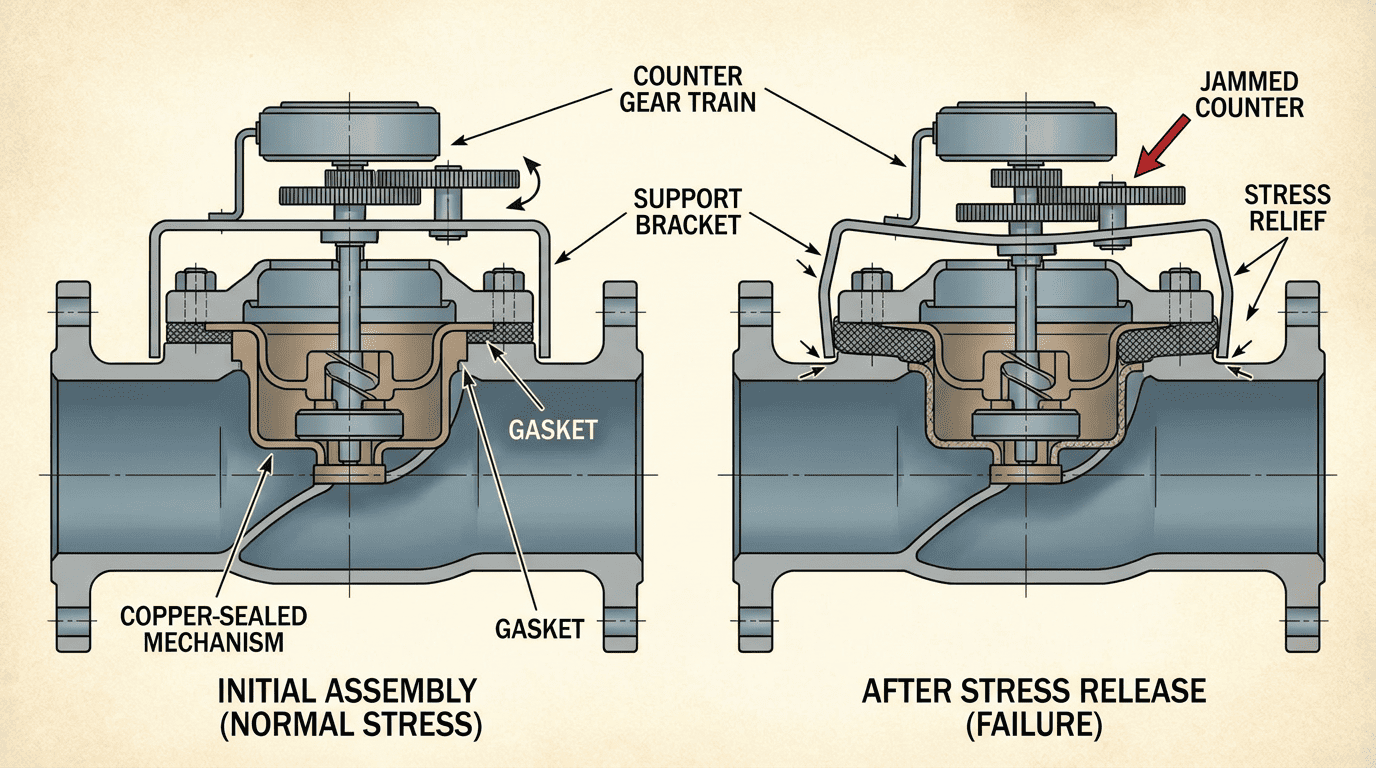
ロシアの DN80 および DN150 ケースをデザインのレッスンとして使用しています
1 つの重大なケースには、ロシアの DN80 および DN150 ウォルトマン メーターが関係していました。. 組立後, 銅シール機構のシールガスケットが応力を解放. この応力解放によりブラケットが変形しました. その変形によりカウンターが動かなくなりました. 故障率は約に達しました 20%.
このケースは重要です。なぜなら、欠陥は悪い部分だけではなかったからです。. インタラクションの問題だった. ガスケット, ブラケット, 銅シール, カウンターポジション, と集合力が力を合わせて働いた. メーターは早期チェックに合格する可能性があります. しかし、ストレスがメカニズム内で変化した後、, カウンターが止まった.
ISO では、水道メーターは使用目的に応じて適切な強度と耐久性を備えた材料で作られなければならないと規定しています。 [4]. 身体だけでなく応用してみます, 括弧にも, シール, カウンター, そして内部サポートも [4]. 組み立て応力が解放された後に部品が曲がった場合, 材料と構造が実際の組み立て条件に適していない.
| リスクポイント | 何がうまくいかないのか |
|---|---|
| 銅シール | 組み立て後に応力を伝達 |
| ガスケット | 時間の経過とともに圧縮が解放される |
| ブラケット | カウンターの配置を変形させて変更する |
| カウンタ | アライメントがずれるとジャムが発生する |
| 組立力 | 隠れたストレスを生み出す |
| 最終テストのタイミング | 遅れた変形を見逃す可能性がある |
組立後の遅れ検査をお願いします
このようなリスクに対して, 通常の即時検査では十分ではない可能性があります. 検査の遅れをお願いします. 組み立て後にメーターのテストをしてほしい, 休憩時間後に再度チェック, 振動, 輸送シミュレーション, 必要に応じて温度サイクルを行うこともできます. 目標は出荷前にストレスを解消することです.
トルクの定義も工場に依頼します, 圧縮, 治具, ガスケット材質, ブラケットの強度, そして最終カウンタークリアランス. 労働者はこれらを感覚で決めるべきではありません. 都市プロジェクトには再現可能なアセンブリが必要です. 同じ隠れたストレスが数百メートルの DN80 または DN150 メートルにわたって繰り返された場合, 故障コストはガスケットやブラケットの価値よりもはるかに大きくなります.
ウォルトマン水道メーターを市全体に導入するにはどのようなベスト プラクティスを使用すればよいですか?
都市全体に導入するには、迅速な導入の前にゆっくりと考える必要があることを学びました. 道路や議会が関与すると、弱いメーターの決定は高価になる.
ベストプラクティスとは正しいサイジングを意味します, パイロットテスト, ベンチ相関, バッチトレーサビリティ, 設置管理, ストレス検査の遅延, 苦情追跡, スペアパーツの計画, 完全な展開の前に受け入れルールを明確にする.
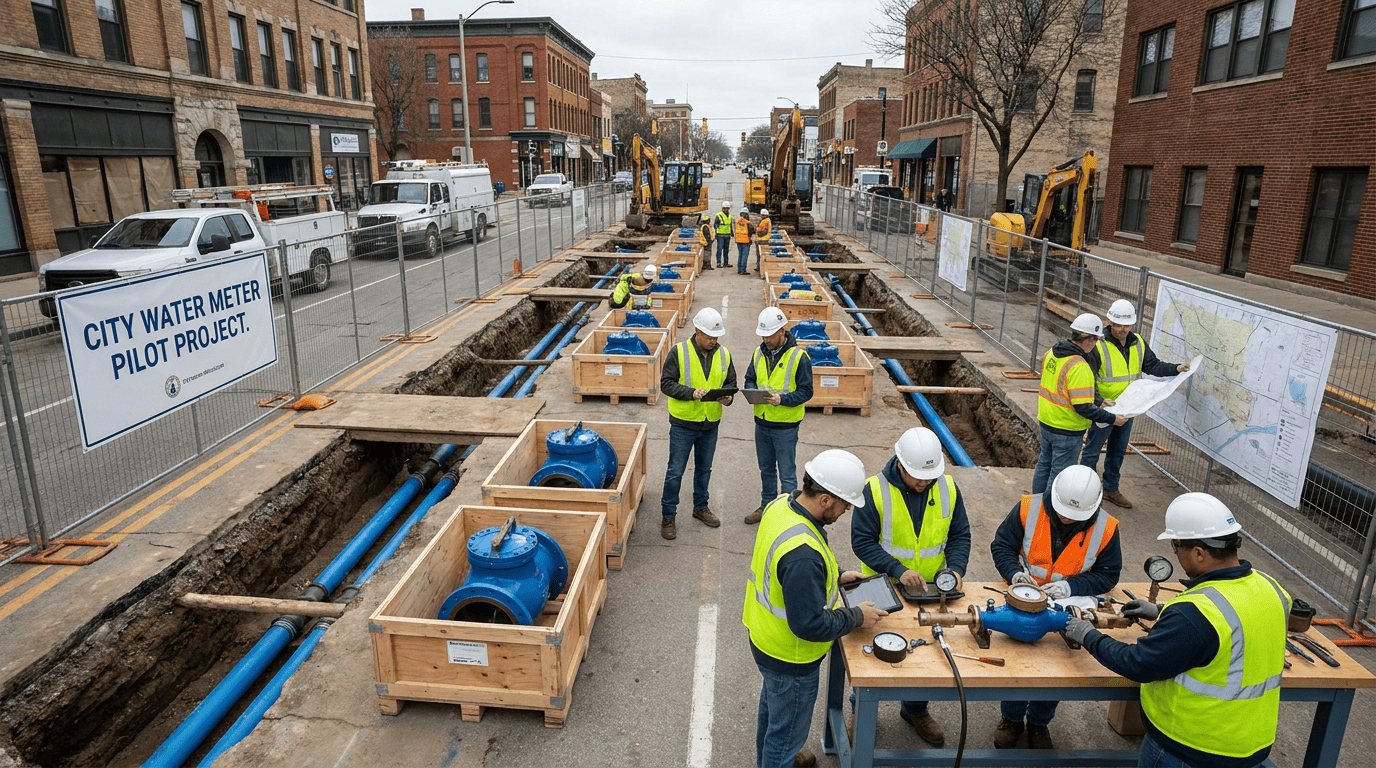
サイズ設定とデータのフローから始めます
まず実際のフローデータを要求します. 最低限の流れが欲しい, 平均流量, ピークフロー, ポンプスケジュール, 夜の流れ, そして季節の変化. パイプ DN しかない場合, 選択範囲を未完了として扱います. フランジがパイプに適合するという理由だけでウォルトマンメーターを選択すべきではありません.
フランジの互換性にも注意が必要です. ISO 参照資料には、鋳鉄フランジおよび銅合金または複合材フランジの規格が含まれています, 機械的な接続の詳細は大型メーターの展開の一部であることを思い出させます [2]. 自治体のプロジェクトでは, フランジの不一致, ボルト応力, 調整が不十分だとメーターが損傷したり、漏れが発生したりする可能性があります [2].
| 導入ステップ | 私の行動 |
|---|---|
| 流動調査 | 実流量範囲を確認 |
| メーターのサイジング | メーターを動作流量に合わせる |
| サンプルテスト | 実際のプロジェクトのサイズをテストします |
| ベンチ相関 | 工場とローカルラボを比較します |
| パイロットゾーン | 数量限定で先行インストール |
| 一括承認 | 大量出荷を段階的にリリース |
| 設置トレーニング | 方向をコントロールするのは私です, ガスケット, ボルト, とパイプ応力 |
| 苦情の追跡 | シリアル番号と故障モードを記録します |
| 予備の計画 | カウンターを用意します, ガスケット, とモジュール |
| 検討会議 | 次のバッチで改善します |
ウォルトマンメーターはパイプにストレスを感じるため、設置を制御します
ウォルトマンのメーターは重い. フランジの間に収まります. パイプの位置ずれが発生する可能性があります, ボルトの締めムラ, ガスケットの位置が間違っている, 振動, サポートされていないパイプの重量. 私は設置チームにメーターをパイプサポートとして使用しないように言います. 設置前にラインの清掃もお願いしています. 石, 溶接ストローク, 錆びるとローターが損傷したり、動きが妨げられたりする可能性があります。.
電子モジュールを備えたメーター用, バッテリーや通信プランを確認する. ISO は、バッテリーの仕様とタイプの評価で遠隔読み取りを考慮する必要があると指摘しています, 耐用年数, 表示音量, 最大総登録量, 極端な温度, 必要に応じて水の導電率も測定します [4]. 現場スタッフは機械式メーターに期待する寿命と同じ寿命をモジュールにも期待する可能性があるため、これは自治体のプロジェクトでは重要です。 [4].
最初のトラックが工場を出発する前に受け入れルールを設定します
出荷前に受入規定を書きます. サンプル量を定義します, テストベンチ, フローポイント, 許容される差異, 再テストプロセス, 隔離ルール, そして責任分担. バッチが失敗した場合, 誰もプレッシャーの下でプロセスを発明すべきではありません.
また、プロジェクト チームが上記の洞察から得られる特別なリスクを理解していることを確認します。. DN50 バッチ 260 不適格なユニットを確認し、 608 doubtful units shows that a partial defect can become a half-batch risk. The Russia DN80 and DN150 copper-sealed mechanism case shows that internal stress can create a 20% failure rate. The DN80+ bench discrepancy case shows that Bench B can almost reject a full batch when the test setup amplifies meter behavior.
How should I decide when Woltman water meters excel and when they fail?
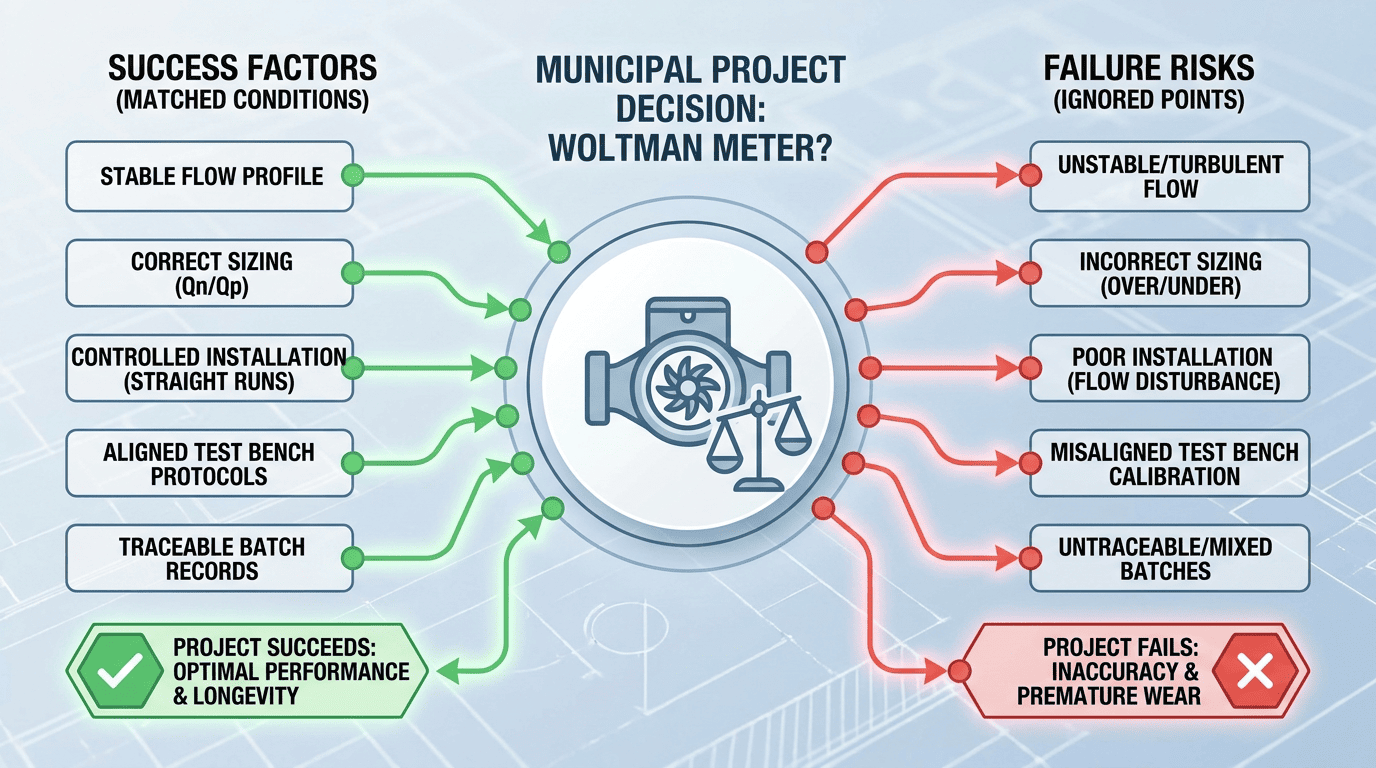
I do not think Woltman meters are good or bad by themselves. I think they are strong when the project matches their working conditions.
A Woltman water meter municipal project succeeds when flow is stable, sizing is correct, installation is controlled, the test bench is aligned, and the batch is traceable. It fails when these points are ignored.
I use a simple decision table before approval
I like decision tables because they keep the discussion clear. Procurement may focus on price. Engineering may focus on hydraulics. Finance may focus on delay cost. A table lets every team see the same risk.
| 質問 | If yes | If no |
|---|---|---|
| Is the flow often medium to high? | Woltman may fit | Check low-flow alternatives |
| Is the meter sized by real flow data? | Proceed to sample | Collect more data |
| Is the local bench correlated? | Reduce acceptance risk | Test before shipment |
| Is the batch traceable? | Control hidden defects | Do not approve mass rollout |
| Is installation controlled? | Reduce mechanical stress | Train before installation |
| Is internal stress checked? | Reduce counter jam risk | Add delayed inspection |
| Is remote reading needed? | Check battery and module | Mechanical review may be enough |
| Is the supplier responsive? | Lower project risk | Avoid city-wide exposure |
I keep Woltman meters in the right place
I choose Woltman meters when the city needs robust bulk measurement at larger diameters and when the flow profile supports turbine measurement. I avoid oversizing. I avoid rushing full-batch installation. I avoid relying on only one factory test bench. I avoid ignoring small internal mechanical changes.
I also choose partners who can discuss failures openly. A municipal buyer needs more than a product. The buyer needs test data, 苦情履歴, batch records, インストールガイド, and a practical response plan. YOUNIO has long experience across mechanical and スマート水道メーターs, including large-diameter project support, and I see real value in reviewing sizing, ベンチテスト, documentation, and batch risk before city-wide deployment.
結論
I trust Woltman meters in municipal networks when flow, sizing, テスト, インストール, and batch control are right. If you are planning a Woltman water meter municipal rollout, YOUNIO can help review the technical risks before they become field complaints.
あなたの自治体のプロジェクトのためにウォルトマンメーターの見積もりが必要です?
YOUNIO は、DN50 から DN500 までのヘリカルおよびアキシャル ウォルトマン水道メーターを供給しています, MID 認定およびテスト済み ISO 4064 クラスB/C. 工場テストレポートを提供します, バッチ整合性データ, 市全体のプログラムのための現場委託サポート.