



Счетчик воды может выйти из строя незаметно. Я теряю доверие, доход, и время, когда я рассматриваю это как разовую покупку, а не как актив жизненного цикла..
Я управляю заменой счетчика воды в течение всего жизненного цикла, отслеживая каждый счетчик с момента его проектирования., стендовые испытания, сертификация, установка, ранние жалобы, стабильное использование, дрейфовать, старение, и окончательная замена. Мои данные по жалобам за 2021–2025 годы показывают, что каждое обновление процесса или конструкции может уменьшить количество явных типов жалоб..
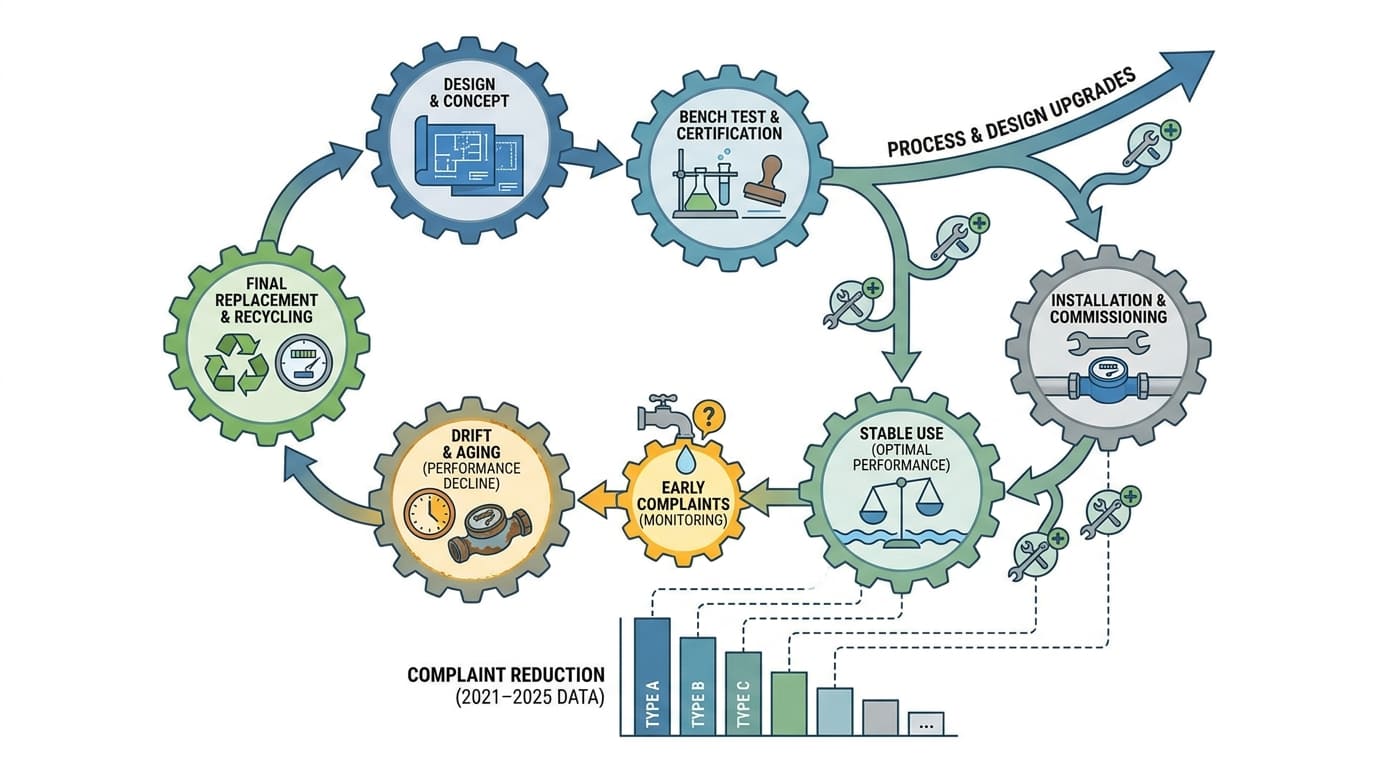
Раньше я рассматривал жалобу как единственную проблему послепродажного обслуживания.. Теперь я рассматриваю это как сигнал всего жизненного цикла. Утечка реестра, неправильное прочтение, сигнализация слабого заряда батареи, или сообщение обратного потока может указывать на дизайн, установка, качество воды, или возраст. Это представление помогает мне решить, когда мне следует выполнить ремонт., когда мне следует заменить, и когда мне следует изменить продукт или процесс для следующей партии.
Фабрика Рождения: Дизайн, Тестирование и сертификация?
Слабый производственный процесс позже создает проблемы на местах. Я не могу решить каждую жалобу на месте клиента, если риск возник на стенде.
Я начинаю жизненный цикл счетчика воды с момента проектирования, выбор материала, производственный контроль, стендовые испытания, и сертификация. Стабильный счетчик должен соответствовать четким правилам метрологии., пройти внутренние проверки, и получить необходимые разрешения до того, как дело дойдет до коммунального проекта.
Что я проверяю перед отправкой
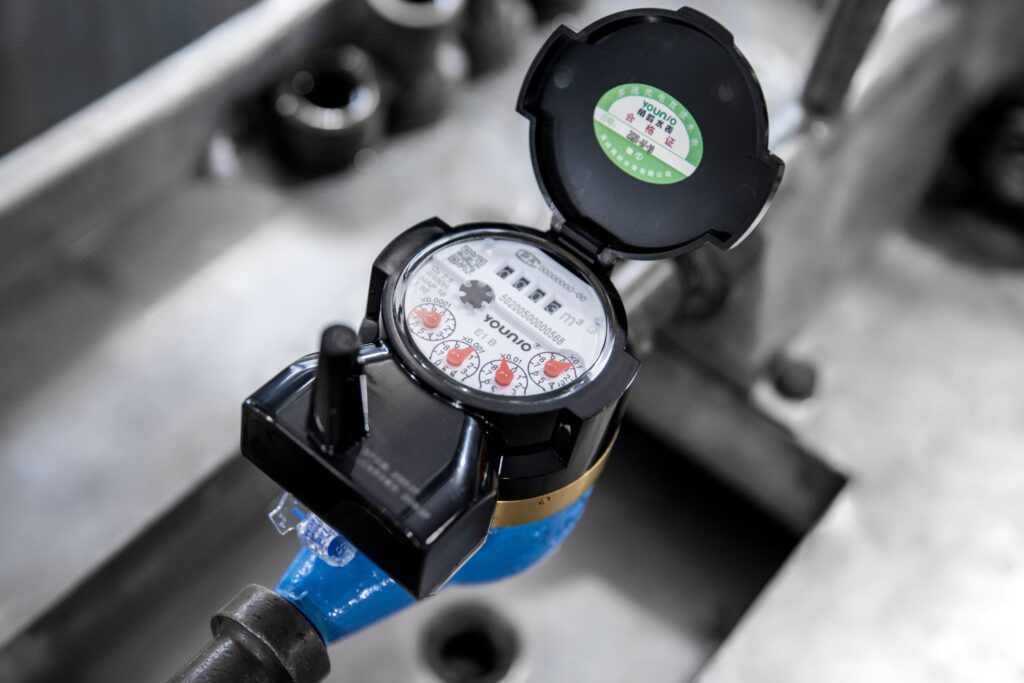
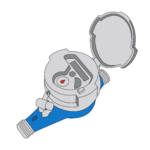
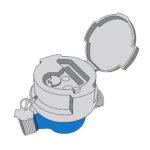
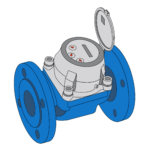
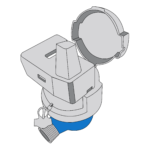
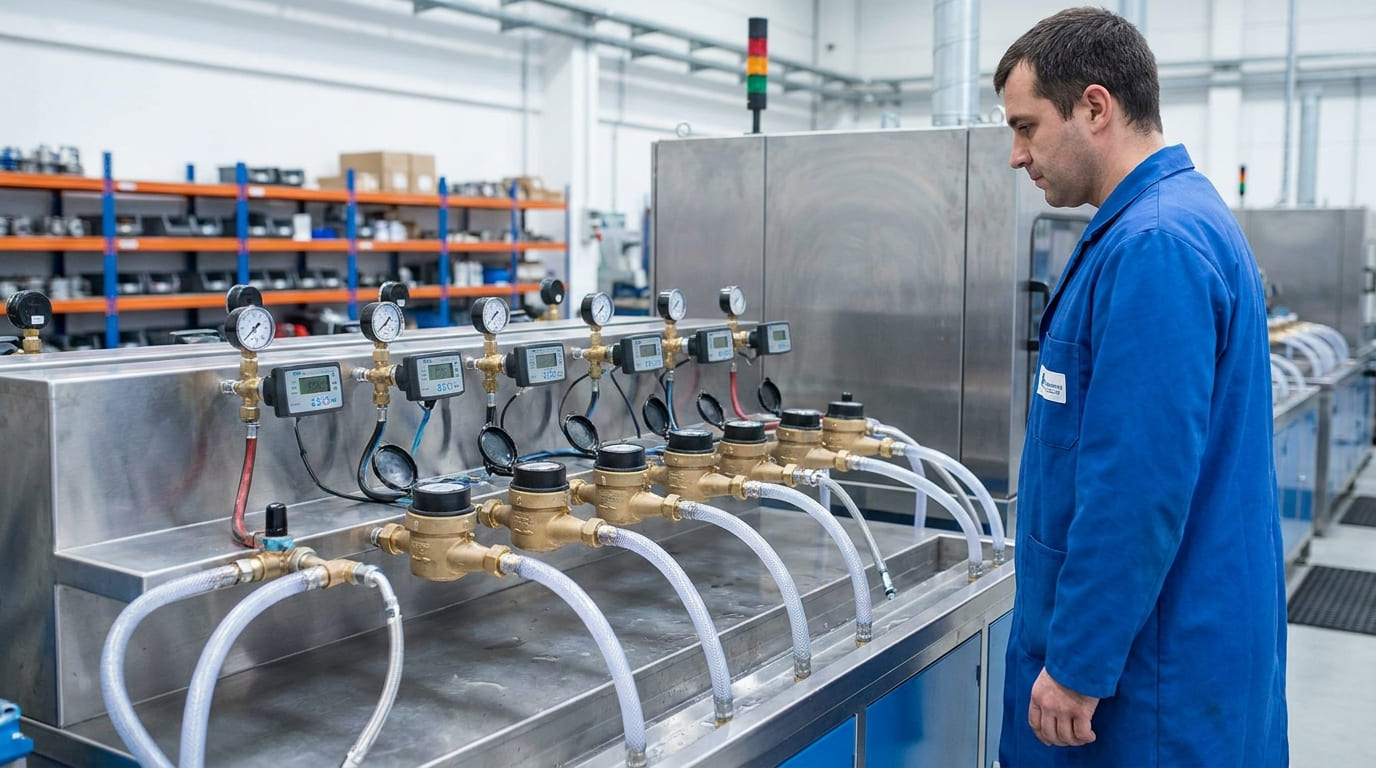
Я отношусь к заводскому этапу как к первым воротам риска.. YOUNIO охватывает типы продуктов от 15 мм до 300 мм, включая одноструйный, многоструйный, объемный, Вултман, и электронные типы, поэтому я должен подобрать правильное семейство продуктов к правильной рабочей точке.. Мне также нужны стандарты как общий язык. Интеллектуальные ультразвуковые счетчики могут быть спроектированы вокруг Iso 4064:2014, МОЗМ Р49-2013, и СРЕДНИЙ, чтобы я мог сравнивать результаты заводских испытаний с принятыми правилами, а не с личным мнением.. Я уделяю пристальное внимание автоматизации, потому что это уменьшает человеческую ошибку чтения. Компания использовала автоматические устройства для проверки счетчиков воды и оборудование для проверки на базе камеры, чтобы сократить время испытаний на расход и повысить эффективность испытаний., что также поддерживает качество продукции. Система ИСО, в том числе ISO 9001 и настройка управления «5 в 1», плюс CE/MID и NSF/ANSI 61 & 372 одобрения, дает мне документы, которые я могу показать тендерным комитетам и аудиторам.
| Заводские ворота | Что я ищу | Почему это важно |
|---|---|---|
| Обзор дизайна | Диапазон расхода, тело, зарегистрироваться, модуль | Я сокращаю неправильный выбор продуктов. |
| Стендовые испытания | 1 квартал, 2 квартал, Q3, Баллы за 4 квартал | Я подтверждаю метрологию перед отправкой. |
| Сертификация | Iso, СРЕДНИЙ, CE, NSF, Кондиционер | Я снижаю тендерный и комплаенс-риск. |
| Запись процесса | Данные партии и журналы испытаний | Я быстрее отслеживаю последующие жалобы. |
Первый год в поле: Проблемы раннего возраста?
Первый год может быстро выявить скрытые ошибки. Я вижу много проблем, возникающих при установке, транспорт, настройки, или ранняя слабость компонентов.
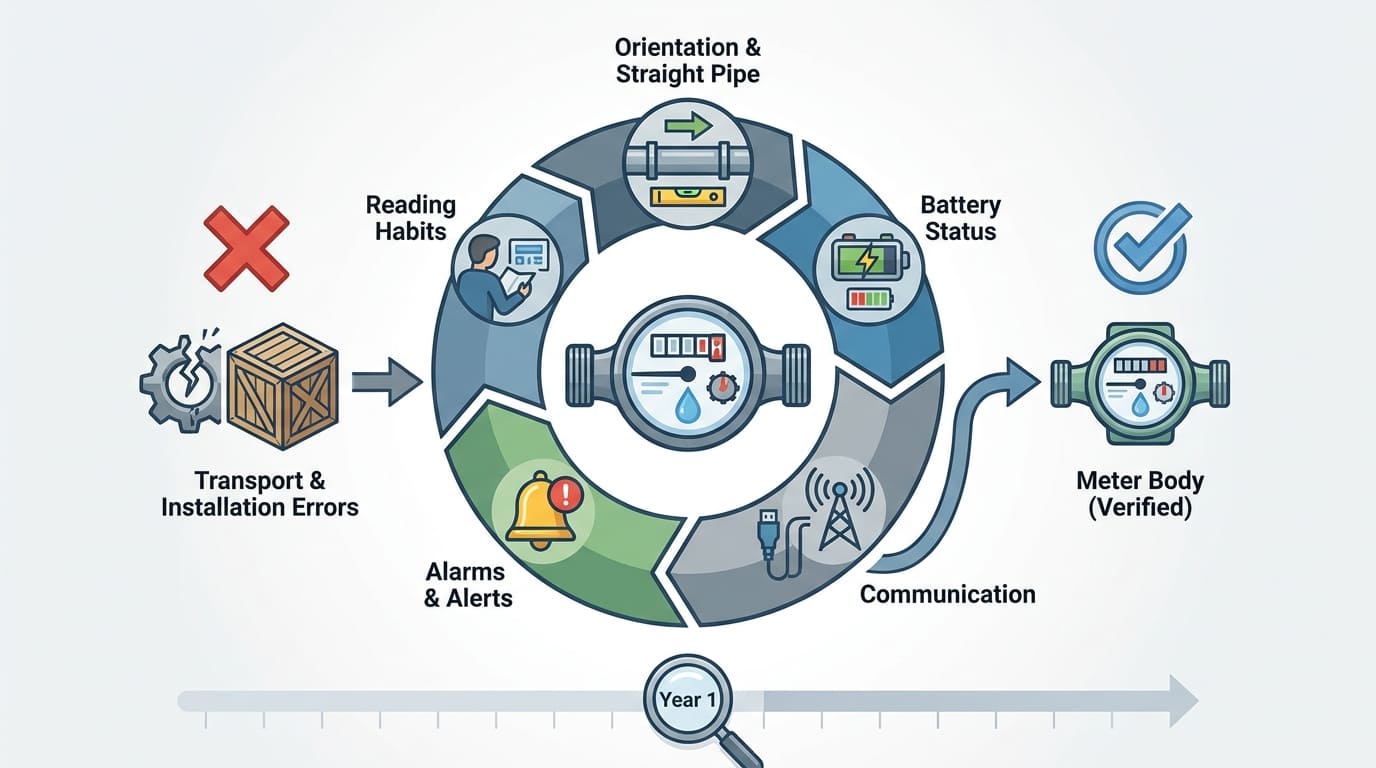
Я рассматриваю жалобы первого года жизни как сигналы раннего возраста.. Я проверяю направление установки, прямая труба разделы, состояние батареи, коммуникация, сигналы тревоги, и привычки клиента читать, прежде чем я смогу судить о самом корпусе счетчика.
О чем обычно говорят мне ранние жалобы
Я не виню продукт в первую очередь. Я спрашиваю, что изменилось между скамейкой и трубой. Интеллектуальный ультразвуковой счетчик может хранить и сообщать информацию об ошибках, когда в трубопроводе нет воды и нет сигнала на датчике.. Он может обнаружить длительный поток воды как утечку и длительный период большого потока воды как возможный разрыв трубы., а также он может обнаружить неправильное направление установки с помощью сигнализации направления потока.. Эти встроенные сигналы тревоги помогают мне отделить проблемы с продуктом от проблем на объекте.. Я также проверяю практические случаи возникновения проблем. Отрицательное значение может указывать на обратное направление потока., а ненормальные или случайные отклонения показаний счетчика холодной воды могут быть вызваны неправильным положением установки., слишком короткие передние и задние прямые участки, большой изгиб, или большой диаметр трубы перед счетчиком. Установка должна соответствовать инженерному проекту объекта., и изменения без разрешения инженера не допускаются.
| Ранний симптом | Мой первый чек | Мои вероятные действия |
|---|---|---|
| Негативное чтение | Направление потока | Я исправляю направление или проверяю расположение клапана.. |
| Случайные данные | Расположение труб и уровень воды | Корректирую установку или проверяю дизайн сайта. |
| Сигнализация низкого заряда батареи | Состояние батареи | Я заменяю батарею или проверяю историю хранения. |
| Сигнализация длительного расхода | Утечка или поведение пользователя | Я проверяю утечку перед заменой счетчика. |
2–5 годы: Стабильная работа и дрифт?
Стабильные годы могут сделать меня небрежным. Я могу пропустить медленный дрейф точности, пока не появятся жалобы., пробелы в выставлении счетов, или Северный Рейн-Вестфалия цифры привлекают внимание.
Я использую годы 2–5, чтобы следить за тенденциями., не только неудачи. Я сравниваю данные чтения, уровень жалоб, производительность с низким расходом, качество связи, и историю партий, чтобы обнаружить отклонения до того, как это заметят пользователи..
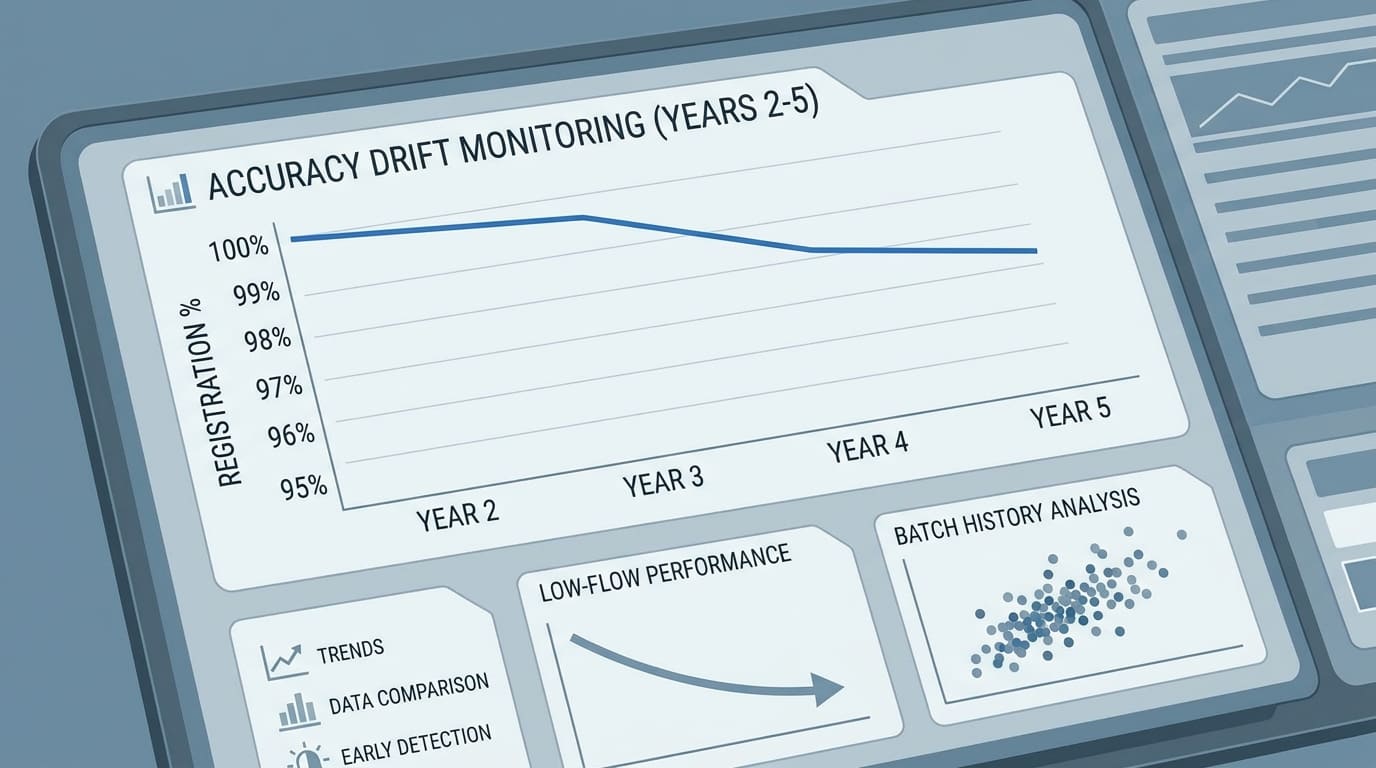
Как я понимаю закономерность среднего возраста
Я ожидаю меньше ранних дефектов после первого года. Я также ожидаю медленного изменения риска точности по мере депозитов., частицы, и движущиеся части взаимодействуют со счетчиком. Для ультразвуковых счетчиков, Я больше ориентируюсь на качество сигнала, состояние батареи, и история тревог, поскольку принцип измерения использует ультразвуковую технологию измерения времени прохождения и обработку сигналов для определения скорости потока.. Этот тип счетчика может измерять минимальный расход 0.01 м³/ч и имеет небольшой размер, высокая стабильность, и сильная защита от помех, поэтому дрейф среднего срока службы часто обусловлен факторами батареи и установки, а не механическим износом. Для механических счетчиков, Я больше смотрю на износ, песок, масштабирование, и чувствительность к низкому расходу. Я не использую одно правило для всех продуктов. Я группирую счетчики по типам, размер, качество воды, давление, и зона установки. Затем я сравниваю кривые жалоб по партиям..
| Предмет средней жизни | Концерн Механический счетчик | Концерн «Умный счетчик» |
|---|---|---|
| Дрейф точности | Износ и отложения | Путь сигнала и стабильность калибровки |
| Потеря чтения | Проблема с регистрацией или доступом | Проблемы со связью или аккумулятором |
| Кластер жалоб | Периодическая технологическая или производственная вода | Прошивка, модуль, или настройка антенны |
| Выбор обслуживания | Чистый, тест, или заменить | Диагностика, обновлять, или заменить модуль |
Я использую свои данные за 2021–2025 годы в качестве учебного файла.. Я ищу тип жалобы, который удаляется после каждого обновления конструкции или процесса.. Это падение дает мне доказательство того, что управление жизненным циклом работает..
Ищем надежного поставщика счетчиков воды?
YOUNIO производит механические и ультразвуковые счетчики воды от DN15 до DN500., Сертифицирован MID и протестирован по стандарту ISO 4064. Бесплатные образцы и отчеты о заводских испытаниях доступны квалифицированным покупателям..
Поздняя жизнь: Носить, Качество воды и последствия старения?
Старые счетчики не всегда громко выходят из строя. Я часто вижу небольшую недорегистрацию, слабые сигналы, и неоднократные жалобы, прежде чем появится явный сбой.
Я отношусь к счетчикам с истекшим сроком эксплуатации как к рисковым активам.. Я просматриваю возраст, качество воды, история жалоб, результаты испытаний на точность, срок службы батареи, и стоимость замены, прежде чем я приму решение о следующем шаге.
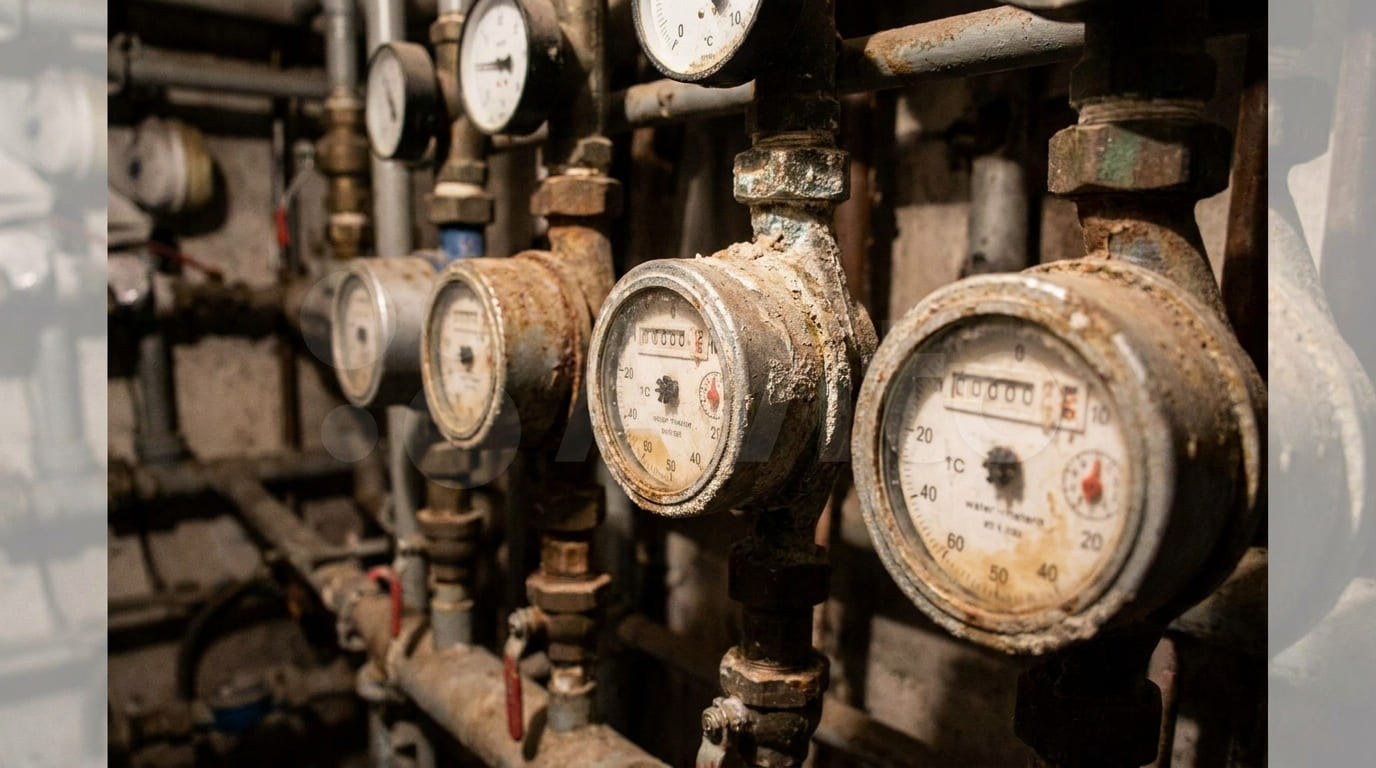
Почему возраст меняет решение
Я не использую только возраст в качестве триггера замены.. Возраст имеет значение, но качество воды и рабочий цикл имеют большее значение во многих сетях. Метр в чистоте, стабильная вода может медленно стареть. Метр в грязной воде, удары давления, или плохое состояние труб может стать опасным гораздо раньше. Для умных счетчиков, Я также уважаю ограничения конструкции батареи.. Таблица параметров ультразвукового счетчика показывает 3.6 литиевая батарея В (ER34615) со сроком службы батареи не менее восьми лет и потреблением ниже 0.2 мВт, поэтому я планирую жизненный цикл батареи и счетчика вместе, а не рассматриваю батарею как небольшую деталь.. На том же листе также указаны потери давления. (Δp40 для DN15–DN20 и Δp63 для DN25–DN40), Класс ЭМС Е1, и средние температурные пределы, поэтому я использую весь технический диапазон, когда оцениваю старение в полевых условиях. Проверка также проводится по китайской JJG. 162-2009 правило для счетчиков холодной воды, что дает мне юридическое основание для периодического повторного тестирования.
| Фактор старения | Что я вижу | Что я решу |
|---|---|---|
| Носить | Более низкая чувствительность | Я проверяю или заменяю счетчик. |
| Шкала | Медленный ответ | Я проверяю качество воды и тип счетчика. |
| Срок службы батареи | Сигнализация мощности | Я заменяю батарею или полный счетчик. |
| Повторные жалобы | Низкое доверие | Я заменяю до того, как ущерб репутации вырастет. |
Как меняются кривые жалоб после улучшения конструкции?
Кривая жалоб может рассказать больше, чем один отчет. Я теряю шансы на улучшение, если закрываю заявки только по одному.
Я сравниваю кривые жалоб до и после каждой модернизации конструкции или процесса.. Если один тип жалобы явно пропадает, Я сохраняю изменения и применяю их к следующей партии..
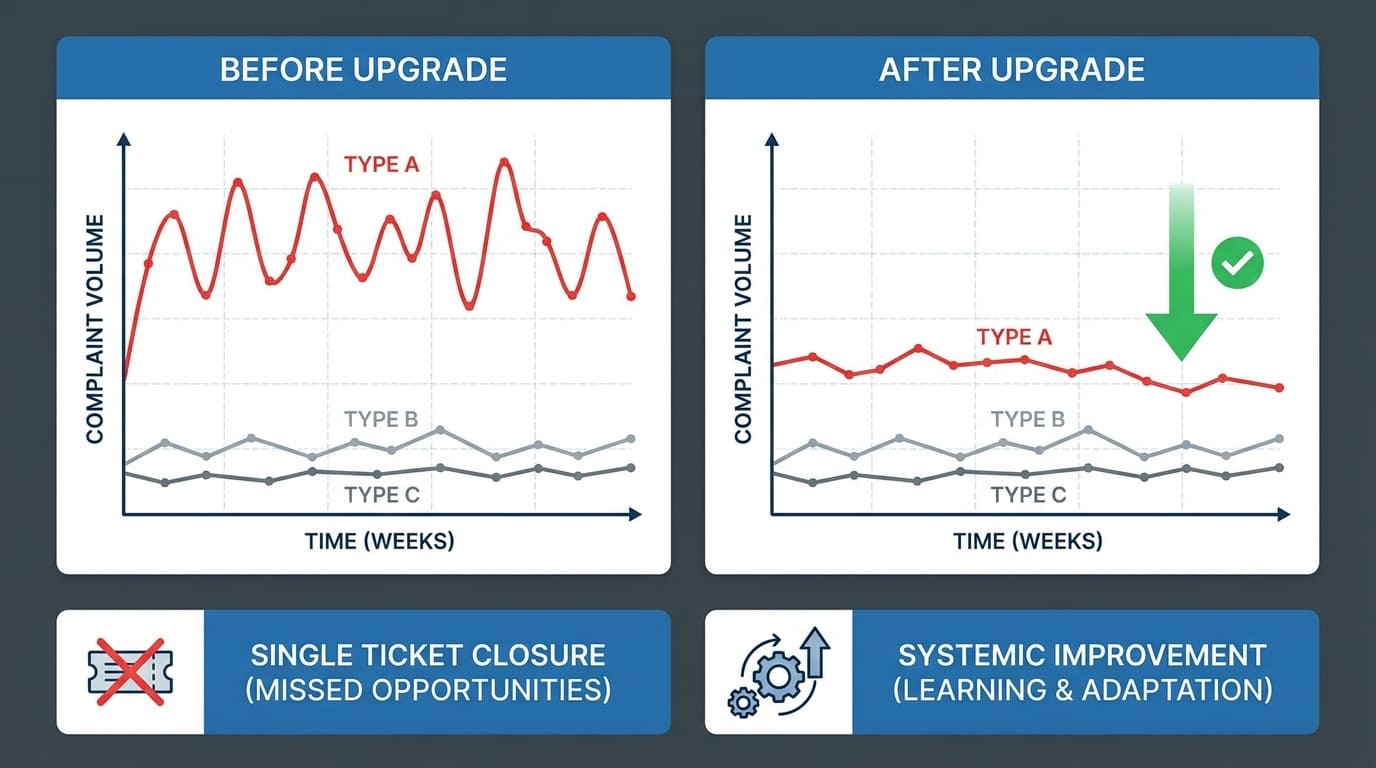
Как я связываю жалобы с изменениями продукта
Я использую простой метод. Я определяю один тип жалобы, один пакетный диапазон, одна версия продукта, и одно временное окно. Затем я сравниваю кривую до и после изменения.. Мои данные за 2021–2025 годы демонстрируют четкую закономерность.. После обновления процесса или конструкции, соответствующие жалобы заметно уменьшаются. Например, если жалобы на случайное чтение упадут после того, как я улучшу руководство по установке и экранирование модуля, Я не называю это удачей. Я отмечаю это как улучшение жизненного цикла. Это мышление соответствует заводской стороне. YOUNIO инвестировал в продукт R&D и в производственном оборудовании собственной разработки, таком как запирающие машины., Запирающие устройства с зажимным кольцом, и машины для запирания счетчиков воды, что повысило эффективность производства, сэкономленная стоимость, и повысили качество продукции. Устройство проверки на базе камеры исключило ручное считывание показаний и запись показаний счетчиков из процесса тестирования., которые устраняют человеческую ошибку в самом начале.
| Тип обновления | Тип жалобы, которую я отслеживаю | Как выглядит успех |
|---|---|---|
| Изменение структуры | Утечка или поломка | Меньше претензий по одной и той же части |
| Изменение метода испытаний | Споры о точности | Меньше случаев отказа в лабораторных исследованиях |
| Изменение модуля | Потеря чтения | Меньше билетов на связь |
| Ручное изменение | Ошибки установки | Меньше случаев исправления сайта |
Я не скрываю плохие изгибы. Я использую их, чтобы найти следующее действие. Плоская кривая может означать, что изменение не достигло реальной причины..
Когда поддерживать, Когда заменить?
Неправильное решение о ремонте приводит к потере денег. Позднее решение о замене вызывает жалобы, потеря счета, и давление со стороны пользователей.
Я обслуживаю счетчик, когда неисправность локальная, низкий риск, и легко проверить. Я заменяю его, когда точность, доверять, безопасность, неоднократные жалобы, или стоимость жизненного цикла становится неприемлемой.
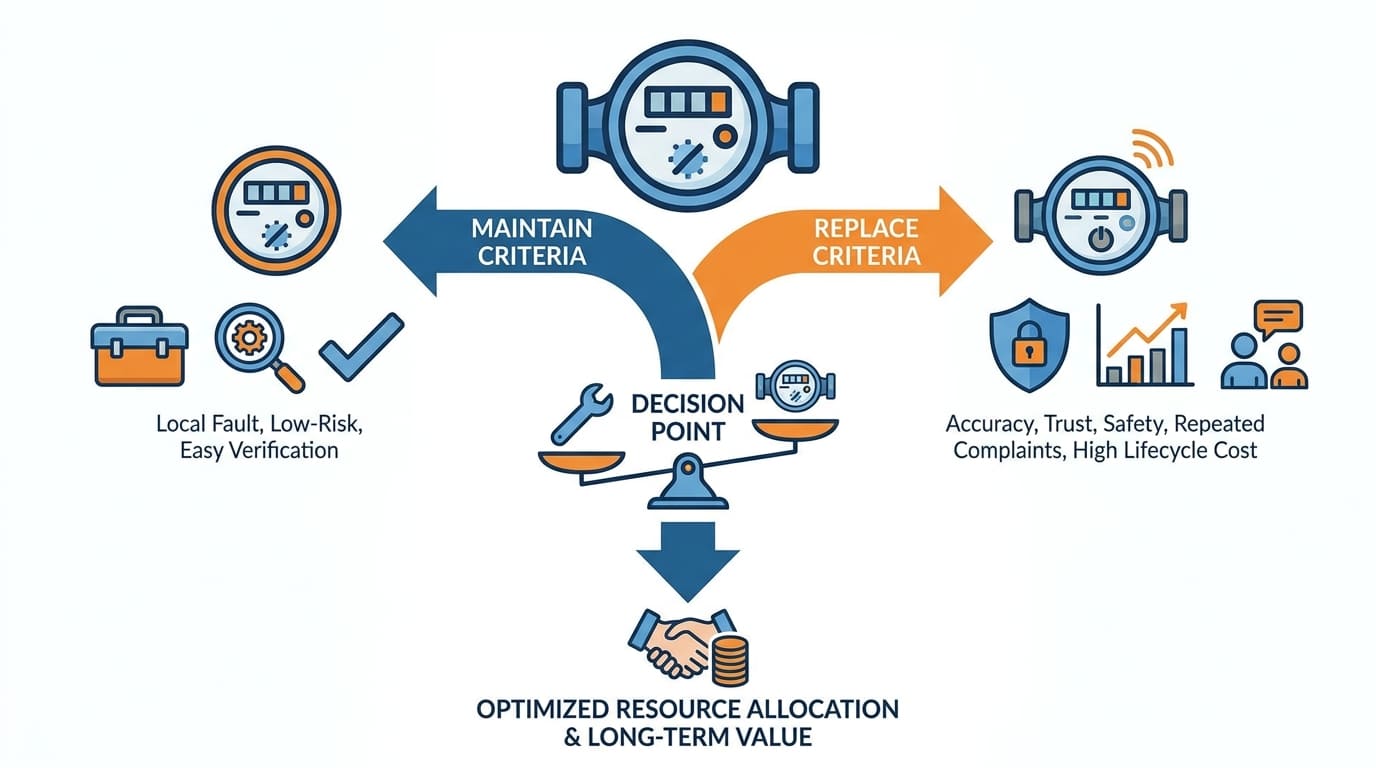
Моя таблица практических решений
Я начинаю с жалобы. Затем я спрашиваю, находится ли счетчик еще в рабочем состоянии с технической и экономической точки зрения.. Если умный счетчик показывает низкий заряд батареи, Я проверяю, можно ли заменить батарею и работает ли остальная часть счетчика хорошо.. В инструкции указано, что разряженную батарею следует заменить как можно скорее.. Если счетчик показывает отрицательные показания, Сначала я проверяю, не изменилось ли направление потока., а если нет, Я немедленно связываюсь с поставщиком. Если счетчик имеет расход, но нет сигнала температуры, Я не разбираю его вручную, и я связываюсь с поставщиком, потому что руководство дает это прямое предупреждение. Я также использую встроенные функции обнаружения в качестве входных данных для принятия решений.. Система может сообщать и хранить утечки., лопаться, нет сигнала, и события неправильного направления, поэтому я могу просмотреть историю неисправностей в системе управления, прежде чем прикоснуться к счетчику. Эти небольшие правила предотвращают неправильные действия на местах.
| Случай | Я поддерживаю, когда | Я заменяю, когда |
|---|---|---|
| Сигнализация батареи | Счетчик молодой, герметичные детали в порядке. | Счетчик устарел или стоимость рабочей силы слишком высока |
| Обратный поток | Установка неправильная | Внутренние повреждения следуют за событием |
| Жалоба на точность | Лабораторный тест пройден | Лабораторный тест не пройден или доверие подорвано |
| Потеря связи | Модуль или настройку можно восстановить. | Повторная потеря влияет на выставление счетов |
| Утечка | Проблема с прокладкой или соединением очевидна. | Обнаружен риск для тела или конструкции |
Я также учитываю доверие клиентов при принятии решения. Дешевый ремонт может стать дорогим, если в следующем месяце тот же дом снова пожалуется.
Создание плана жизненного цикла для вашего парка счетчиков?
Парк счетчиков без плана жизненного цикла становится реакционной машиной. Я вижу проблемы только после жалоб клиентов.
Я строю план жизненного цикла с выбором продукта, пакетное отслеживание, контроль установки, кодирование жалобы, периодическое тестирование, обновить отзыв, и плановая замена. Этот план превращает жалобы в проектные и эксплуатационные данные..
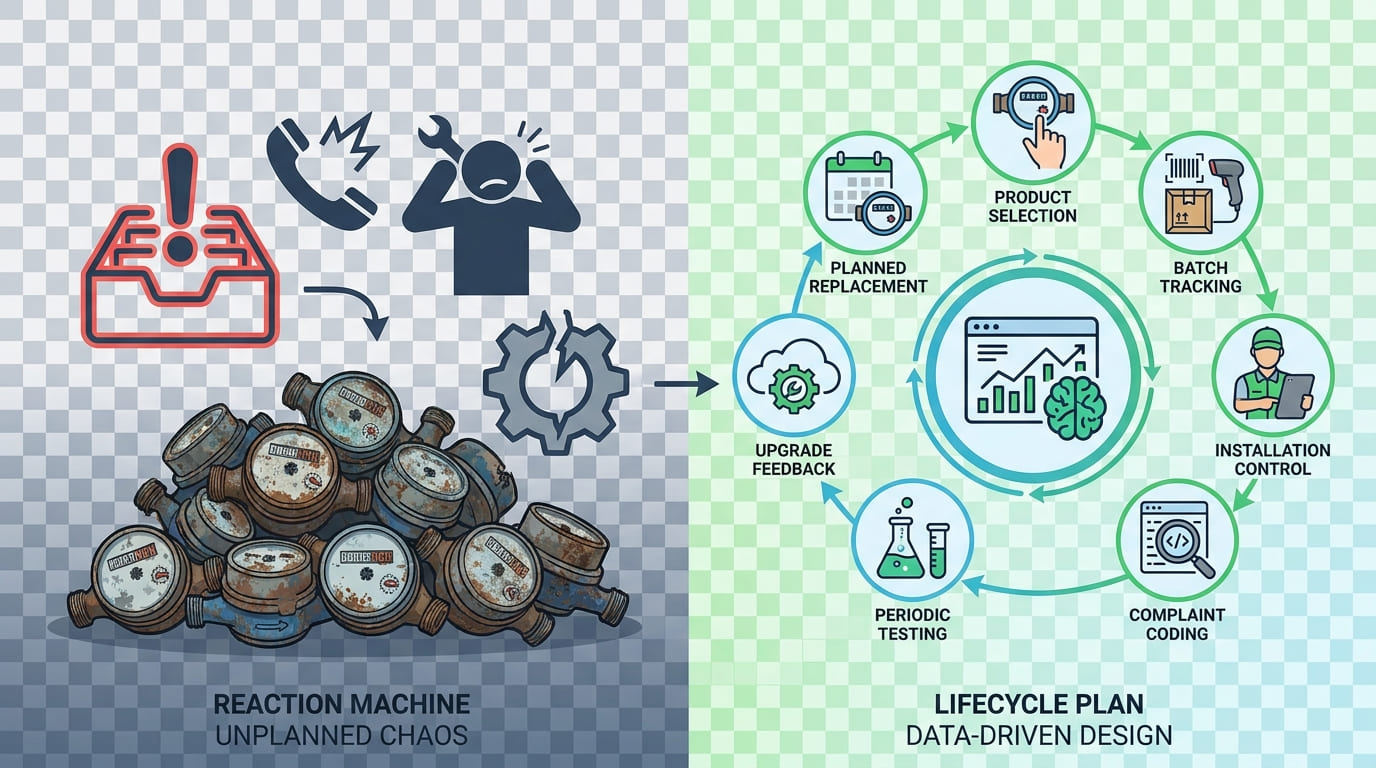
Структура плана моего автопарка
Я начинаю планировать до тендера. Я определяю тип счетчика, диапазон размеров, метод связи, необходимость сертификации, риск качества воды, и замена цели. Я держу сертификаты и технические файлы наготове., потому что YOUNIO использует полную систему управления ISO, включая ISO 9001, Iso 14001, Iso 45001, ИСО/МЭК 27001, и имеет CE/MID и NSF/ANSI 61-2017 & 372-2016 сертификаты, которые я могу сопоставить с тендерными требованиями на разных рынках. Я также заранее составляю список кодов жалоб.. Я избегаю расплывчатых ярлыков типа «плохой счетчик». Я использую четкие типы, такие как негативное чтение., никакого чтения, сигнализация батареи, утечка, спор о точности, взрывная сигнализация, и сигнализация направления установки. Умные счетчики сообщили об утечке, лопаться, сигнал отсутствия воды, и неправильное направление событий в систему управления, поэтому я использую эти типы сигналов тревоги как поля структурированных данных в системе автопарка, а не как произвольный текст.. Для хранения перед установкой, Я тоже уважаю гида, который сохраняет счетчики в оригинальной упаковке при температуре 5–40 °C., на воздухе без агрессивных газов, и ограничивает высоту штабелирования до пяти коробок.
| Шаг жизненного цикла | Моя контрольная точка | Мои выходные данные |
|---|---|---|
| Выбор | Тип и стандарт счетчика | Утвержденный список моделей |
| Установка | Направление и состояние трубы | Протокол приемки объекта |
| Операция | Чтение и просмотр сигналов тревоги | Ежемесячный график трендов |
| Жалоба | Код и основная причина | Кривая жалоб |
| Улучшение | Изменение конструкции или процесса | Сравнение до и после |
| Замена | Возраст, тест, и стоимость | План продления |
Я предпочитаю поэтапную замену. Сначала заменяю худшие зоны. Я использую результаты для корректировки следующего этапа. Этот метод защищает бюджет и снижает количество жалоб..
Заключение
Я отношусь к каждому счетчику воды как к активу жизненного цикла., чтобы я мог отсеивать жалобы, улучшить сроки замены, и превратить полевые проблемы в лучшие будущие проекты.
Ищем надежного поставщика счетчиков воды?
YOUNIO производит механические и ультразвуковые счетчики воды от DN15 до DN500., Сертифицирован MID и протестирован по стандарту ISO 4064. Бесплатные образцы и отчеты о заводских испытаниях доступны квалифицированным покупателям..