


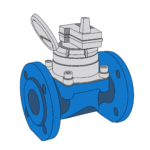

水計量的未來: 綜合指南

水是生存至關重要的寶貴資源. 隨著人口不斷增長和對水的需求不斷增長, 有效管理此資源是至關重要的. 水錶是測量家庭和建築物使用的水量的必不可少的工具. 它們對於促進節水和確保公平的計費實踐至關重要.
在水計量的情況下, 目前正在開發幾種新技術來提高水位計量系統的準確性和效率. 這些新技術提供了一些好處, 例如準確和實時數據收集, 改善洩漏檢測, 水資源有效管理, 以及為消費者和公用事業公司節省成本.
當前的水位計量系統 (AMR)
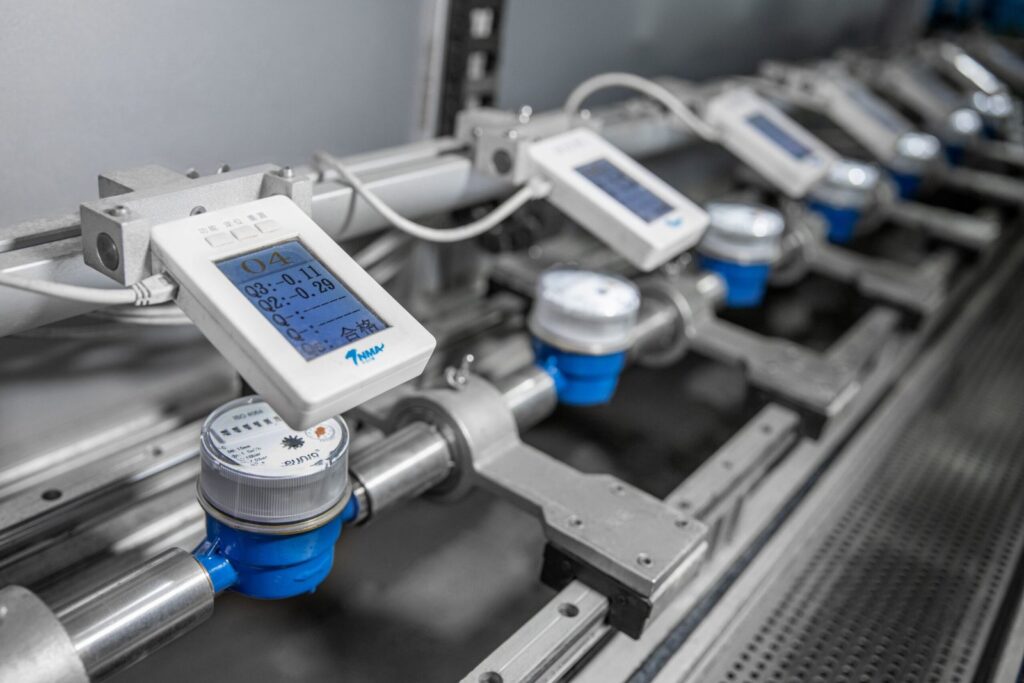
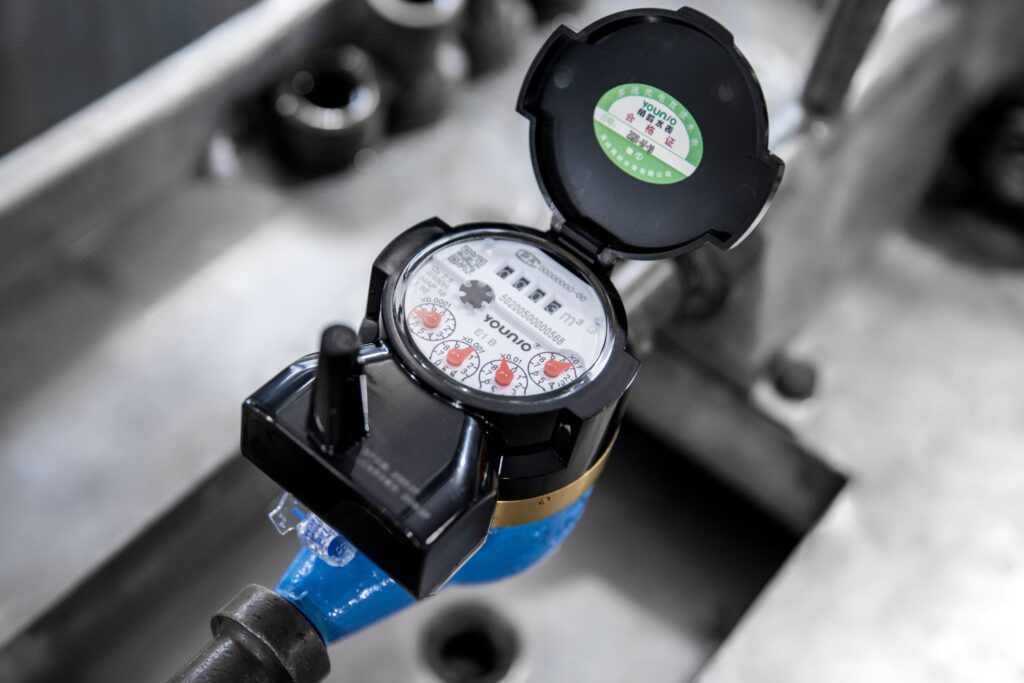
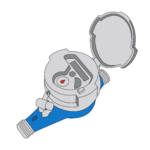
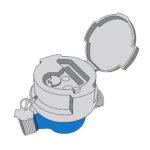
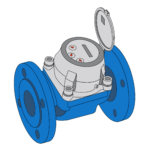
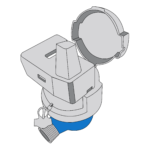
當前的水計量系統包括傳統的水錶和自動儀表讀數 (AMR). 傳統水錶是測量用水的機械設備,通常需要由公用事業公司代表手動閱讀. 相比之下, AMR使用將用水數據傳輸到公用事業公司的電子設備.
如今, 所使用的流行技術包括洛拉, 洛萬, nb-iot, SIGFOX, 還有其他.
這些都是無線通信技術,可以將數據從水錶傳輸到公用事業公司, 允許對用水的實時監控. 這些技術的使用提供了一些好處, 例如提高水計量的準確性和效率, 更好的洩漏檢測, 以及更有效的水資源管理. 因此, 客戶可以節省成本, 公用事業公司可以促進節水.
在這些技術中, 洛拉(Lora)和洛拉萬(Lorawan)是水位測量系統的流行選擇,因為它們的遠程功能, 低功耗, 並能夠穿透密集的城市環境. NB-iot和Sigfox也是水計量系統的可行選擇, 當他們提供低功耗和較長的電池壽命時, 使其非常適合需要長期操作而無需頻繁更換電池的設備.
隨著新技術的發展, 例如高級計量基礎設施, 智能水錶, 和物聯網, 水計量系統將變得更加準確, 高效的, 和成本效益. 這些新技術使客戶訪問其用水數據, 使他們能夠確定可以減少消費並促進節水的區域.
全面的, 在水計量系統中使用無線通信技術是邁向更高效,更可持續的水管理系統的重要一步. 雖然需要解決一些挑戰和疑慮, 例如實施成本和數據安全, 這些新技術的好處很重要,可以為消費者和公用事業公司帶來大量的成本節省.
先進的計量基礎設施 (急性心肌梗死)
先進的計量基礎設施 (急性心肌梗死) is one of the newest technologies being developed for water metering. It is a technology that uses wireless communication to transmit data from the water meter to the utility company. This wireless communication enables continuous and real-time monitoring of water usage, which allows utility companies to detect leaks and other issues quickly.
AMI can help utility companies improve their overall efficiency by providing data insights that can be used to optimize water distribution and usage. With such data, utility companies can also make better decisions relating to infrastructure upgrades and investments in water conservation.
Beyond its benefits to utility companies, AMI also provides customers with access to their water usage data. This information can help customers identify areas where they can reduce their water consumption, and in doing so, save money on their water bills. 此外, AMI data can be used to analyze patterns in water usage, which can help customers and utility companies develop more efficient water management strategies.
全面的, AMI is a technology that offers numerous benefits for both utility companies and customers. Its ability to provide real-time monitoring and data analytics has the potential to revolutionize the way water is managed and consumed in the future.
智能水錶
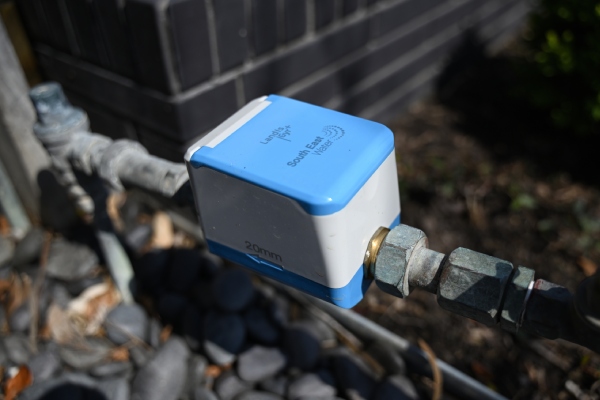
Another technology that is being developed for the future of water metering is Smart Water Meters. These meters are equipped with sensors that can detect changes in water pressure and flow. They can also detect leaks and other issues in the water distribution system.
Smart Water Meters provide customers with real-time data on their water usage, which can help them identify areas where they can reduce their consumption. They also enable utility companies to monitor water usage patterns and make more informed decisions about water management strategies.
Smart water meters can also communicate with other devices and systems in the home, such as irrigation systems and water heaters, to optimize water usage. This can further promote water conservation and reduce overall water usage.
As such, IoT-enabled water meters have the potential to revolutionize the way we manage and consume water in the future.
物聯網 (物聯網)
The Internet of Things (物聯網) is a concept that involves the interconnection of physical devices to the Internet. 在水計量的情況下, IoT can be used to develop a more efficient and reliable water distribution system.
IoT-enabled water meters can provide continuous and real-time monitoring of water usage, which can help utility companies detect leaks and other issues quickly.
They can also provide customers with access to their water usage data, which can help them identify areas where they can reduce their consumption.
Benefits of Future Water Metering Systems
The benefits of future water metering systems are significant.
Accurate and real-time data collection will allow for better management of water resources and improved leak detection. This can help reduce water waste, which will result in cost savings for consumers and utility companies.
Real-time monitoring can also provide customers with access to their water usage data, which can help them identify areas where they can reduce their consumption.
This, in turn, can help promote water conservation and reduce overall water usage.
Challenges and Concerns
While the future of water metering systems holds a lot of promise, there are also some challenges and concerns that need to be addressed.
First, the implementation costs of these new technologies can be significant.
Second, data security and privacy are also significant concerns, as the data collected by these systems can be sensitive.
Finally, public education and awareness are also important, as many customers may not be aware of the benefits of these new technologies.
結論
In conclusion, the future of water metering is bright, and we can look forward to a more efficient, 可靠的, and sustainable water distribution system in the years to come. With the development of new technologies such as Advanced Metering Infrastructure, 智能水錶, 和物聯網, water metering will become even more accurate, 高效的, 和成本效益. 然而, stakeholders need to work together to address the challenges and concerns associated with these new technologies. By doing so, we can ensure that the benefits of these new technologies are realized and that we can continue to promote water conservation and sustainability.
As our world becomes more conscious of the importance of water conservation and sustainability, the future of water metering is set to transform the way we manage and use water. The advent of new technologies in water metering systems is promising, and the benefits they offer are significant. 然而, it is essential to address the challenges and concerns associated with these new technologies to ensure that they are implemented correctly.
By embracing these new technologies, we can move towards a more efficient and sustainable water management system that benefits both individuals and the environment.