
全球需求的创新水表解决方案

AMR 水表的成本是多少?

的图片 莱昂

莱昂

你好, 我是这篇文章的作者, 而且我在这个领域呆了超过 10 年. 如果您想采购水表或相关产品, 随时问我任何问题.

目录

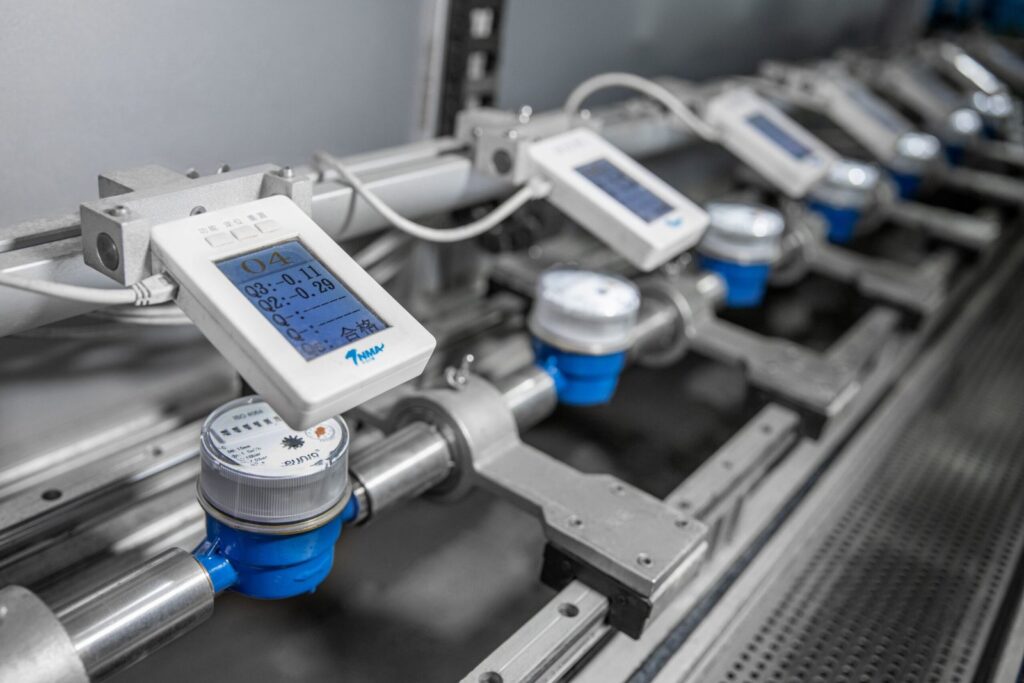
An ultrasonic AMR water meter installed on water pipe

想了解 AMR 水表的成本及其含义? 这是对自动抄表的深入了解 (AMR) 水表及其定价.

作为该产品线的销售领先者 15 年, exported containers of AMR water meters,I would like to share with you:

It's not so expensive for an AMR water meter now.The cost of an AMR water meter depends on factors like the type of technology, accuracy level, 材料, and communication methods.An Ultrasonic AMR Water Meter1 R250 with wireless communication costs around USD 36 - 45 per piece from China now.

Keep reading to understand the different aspects of AMR water meters and how they compare to other systems.

What is the AMR for water meters?

AMR (自动抄表) is a technology used to automatically collect consumption data from water meters and send it to a central database for processing.

AMR for water meters allows utilities to automate meter reading without requiring physical visits, reducing labor costs and improving billing accuracy.

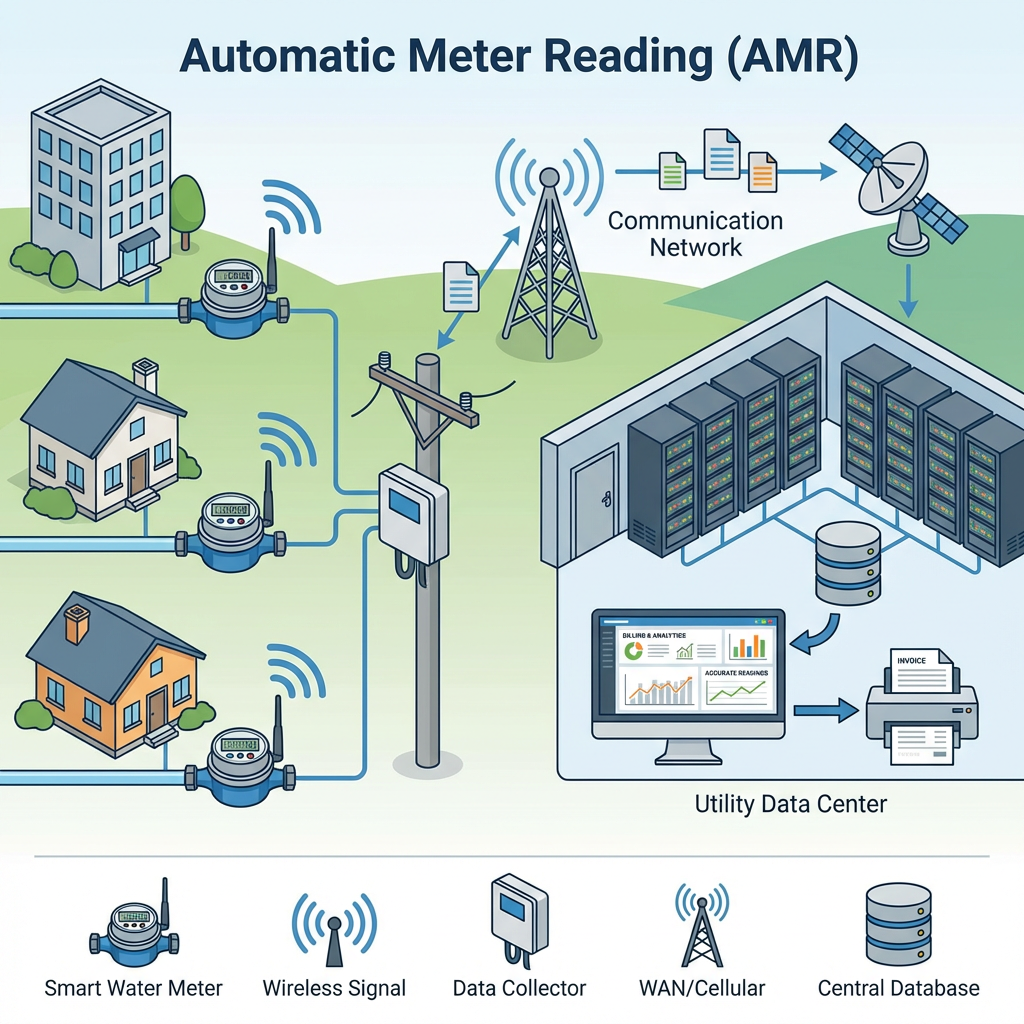
A system picture showing all related elements in AMR

Types of AMR for Water Meters

Type of AMR Description Cost Implications
Radio Frequency (RF) Sends data through short-range radio signals Low cost for installation and maintenance
Drive-By Systems Data collection while a vehicle drives by the meter Moderate installation costs
Fixed Network Systems2 Meters send data through a permanent communication network High installation cost but more reliable

How AMR Reduces Operational Costs

AMR technology eliminates the need for manual meter reading, which is not only time-consuming but costly. Traditional methods of meter reading require staff to visit each location, sometimes multiple times a month, which translates to labor, vehicle, and fuel costs. With AMR, data is collected automatically and transmitted electronically, meaning utilities can save on both human resources and operational logistics.

Moreover, AMR also eliminates the possibility of human error, which can lead to incorrect readings and disputes over bills. By ensuring more consistent and accurate readings, utilities can avoid revenue losses and ensure fair billing practices.

然而, the initial cost of installing AMR systems, particularly the more complex ones, can be substantial. In some cases, utilities may need to invest in infrastructure to support data collection (such as communication towers for fixed network systems or vehicles for drive-by systems). These ongoing costs can reduce the financial savings over time, making it critical for utility companies to carefully evaluate their specific needs and the scale of their operations.

How does an AMR water meter work?

An AMR water meter works by automatically transmitting usage data from the water meter to a central system. This allows for more efficient data collection and reduces the need for manual reading.

AMR systems typically use radio signals, drive-by methods, or fixed network systems to send data, ensuring continuous and accurate monitoring.

placeholder_image

Basic Operation of an AMR Water Meter

  1. Data Collection: The AMR water meter measures the water consumption and stores the data.
  2. Data Transmission: The data is sent via wireless technology (RF, drive-by, or fixed network) to a centralized system.
  3. Data Processing: The utility processes the data, and billing information is generated based on the actual consumption.

Cost Breakdown of AMR Water Meter Components

Component Cost Range
水表 $30 到 $100 (for standard mechanical models)
AMR Transmitter $50 到 $150 (depending on the technology)
Data Collection System $1,000 到 $10,000 (depending on the network)
Installation $20 到 $100 per meter (varies by system)

These components add to the overall cost of AMR systems. While the upfront cost for individual meters is relatively low, setting up the network and data infrastructure can be expensive.

Why Costs Vary for AMR Water Meters

The primary factors that determine the cost of AMR systems include the type of technology used (RF, drive-by, or fixed network), the number of meters being installed, and the specific needs of the utility company. For instance, a city-wide fixed network system will require a more significant initial investment than a simple drive-by system in a rural area. The complexity of the installation, which may include digging trenches for underground systems or the installation of communication infrastructure, also impacts the overall cost.

Moreover, utilities must account for ongoing maintenance costs, such as replacing or repairing faulty meters, updating software, and upgrading communication networks. While AMR offers substantial cost savings in terms of labor and operational efficiency, the overall cost-benefit analysis should include these factors.

Is an AMR water meter the same as a smart water meter?

No, an AMR water meter is not the same as a smart water meter, though both are used for remote meter reading.

AMR systems are typically one-way communication systems for collecting data, while smart meters (which use AMI technology) feature two-way communication for real-time data exchange and additional capabilities.

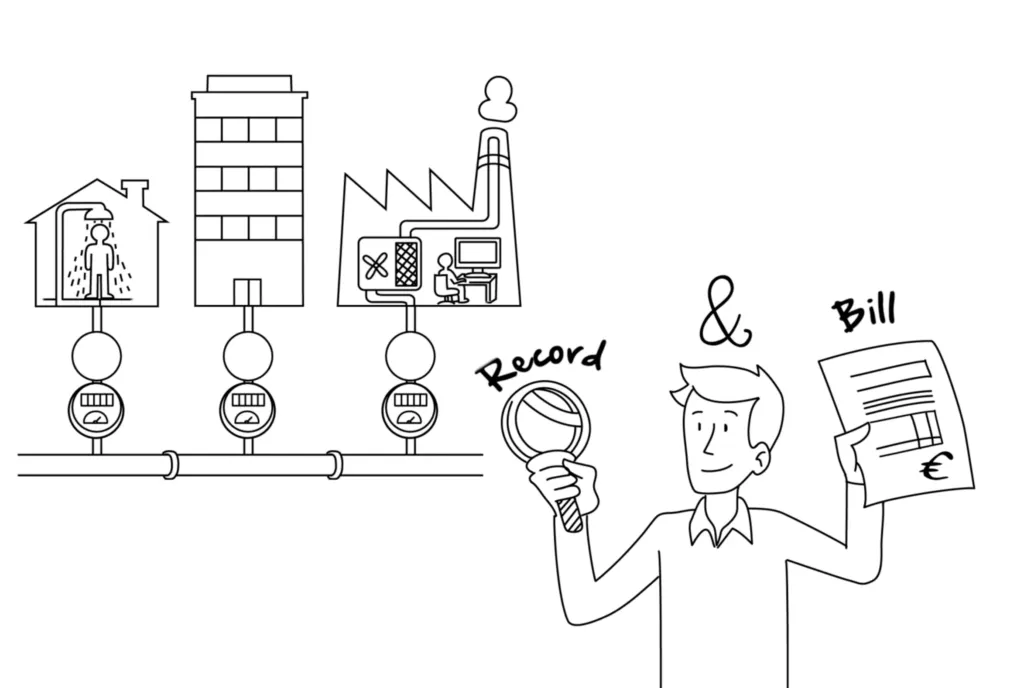
Record and Bill in Smart Metering

Key Differences Between AMR and Smart Water Meters

Feature AMR Water Meter 智能水表
Communication One-way (data transmitted to utility only) Two-way (data sent and received by utility)
Real-Time Data No real-time feedback Provides real-time or near real-time data
Advanced Features Limited to reading consumption Includes features like leak detection and pressure monitoring
Cost Generally lower cost for installation Higher initial cost due to added features

While AMR meters are effective for basic data collection, they lack the capability for utilities to send instructions or receive immediate feedback. This means that with AMR, utilities can’t respond in real-time to issues like leaks, service interruptions, or abnormal consumption patterns. AMI smart meters, on the other hand, allow two-way communication, meaning they can notify utilities of potential issues instantly and even allow utilities to remotely adjust settings or shut off water in case of emergencies.

Smart meters also provide 实时监控, which helps both utilities and customers track water usage continuously, making it easier to identify inefficiencies or wastage and reduce overall consumption.

Cost Implications of AMR vs Smart Meters

AMR meters are typically more affordable to install because they have fewer features. For utilities with limited budgets or in areas where real-time monitoring is not a priority, AMR systems may offer a more cost-effective solution. 然而, smart meters have the potential to deliver more value over the long term. Their ability to detect leaks and monitor consumption in real time not only helps utilities respond faster to issues but also reduces the risk of costly water losses or customer disputes.

Why Are Smart Water Meters Gaining Popularity?

As cities and industries look for ways to improve resource management and sustainability, smart water meters offer a broader range of capabilities. Their ability to provide instant feedback on water usage patterns allows for better forecasting, reduces operational costs, and improves customer relations. Over time, the reduced cost of water management and the increased customer satisfaction often outweigh the initial investment in smart meters, leading many utilities to shift towards more intelligent metering solutions.

What is the difference between AMI and AMR water meters?

急性心肌梗死 (先进的计量基础设施) and AMR water meters are both used for remote metering, but they differ significantly in terms of capabilities.

AMI is a more advanced system that includes two-way communication, allowing utilities to collect and manage data more efficiently, while AMR is a simpler, one-way communication system.

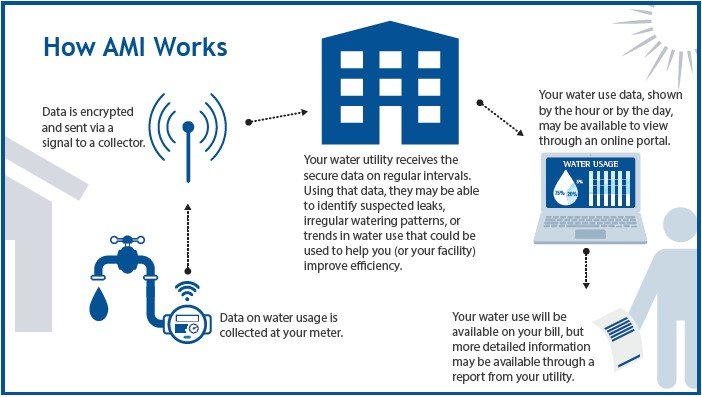
construction of AMI

AMI vs. AMR: Key Differences

Feature AMR Water Meter AMI Water Meter
Communication One-way Two-way
Data Frequency Periodic, based on preset intervals Real-time or near real-time
Cost Lower initial cost, limited functionality Higher cost, but offers more features
Functionality Basic data collection Real-time consumption data, diagnostics, leak detection

Deep Dive: Benefits of AMI Over AMR

AMI systems are significantly more advanced than AMR. They offer the benefit of real-time data transmission, which allows utilities to respond immediately to issues like leaks, pressure changes, or unusual consumption patterns. This real-time capability is a huge advantage over AMR, which only collects data at specific intervals.

With AMI, utilities can improve customer service by providing accurate, up-to-date billing information, reducing disputes over estimated bills. 此外, AMI allows for more advanced analytics, such as predictive maintenance and dynamic pricing based on usage patterns, making it a more versatile tool for modern utility management.

Cost Implications of AMI vs AMR

While AMI systems require a larger initial investment due to their advanced features, they offer greater long-term benefits, including more efficient resource management, reduced water losses, and improved operational efficiency. AMI systems also reduce labor costs, as they automate more aspects of meter reading, diagnostics, and customer interaction.

相比之下, AMR systems are typically more budget-friendly but come with limitations in terms of data collection and management. Utilities need to weigh the upfront costs against the long-term operational savings to determine which system makes the most sense for their needs.

结论

The cost of an AMR water meter varies based on technology and scale, but it generally provides an affordable solution for automating water meter readings. 然而, if your utility requires real-time data and advanced functionalities like leak detection and demand response, investing in an AMI or smart metering system may offer more value in the long run.


  1. Understand the specific advantages of ultrasonic technology in water metering. 

  2. Explore how fixed network systems work and their cost implications. 

Facebook
叽叽喳喳
LinkedIn

相关帖子

立即联系我们,
明天得到回复

我是莱昂, Younio水表的销售经理, 我和我的团队很乐意认识您并了解您的业务, 要求和期望.

得到 2025 电子录制

请输入您的电子邮件地址,并收到一个PDF,并为我们的 50+ 流行的水表.