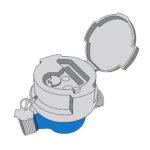

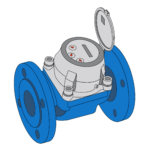

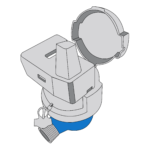

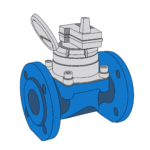

Vedo che i contatori intelligenti falliscono presto quando i siti industriali li trattano come contatori domestici. La pompa ha picchi di pressione, aria del circuito di raffreddamento, e il vapore chimico della stanza trasformano piccole lacune in reclami.
Parco industriale contatore dell'acqua intelligentefunziona meglio quando controllo le sale pompe secondarie, circuiti di raffreddamento, e aree di dosaggio chimico prima della selezione. Queste aree presentano spesso sbalzi di pressione, gas nell'acqua, e rischio di corrosione, quindi devo rivedere il processo prima di fidarmi dei dati.
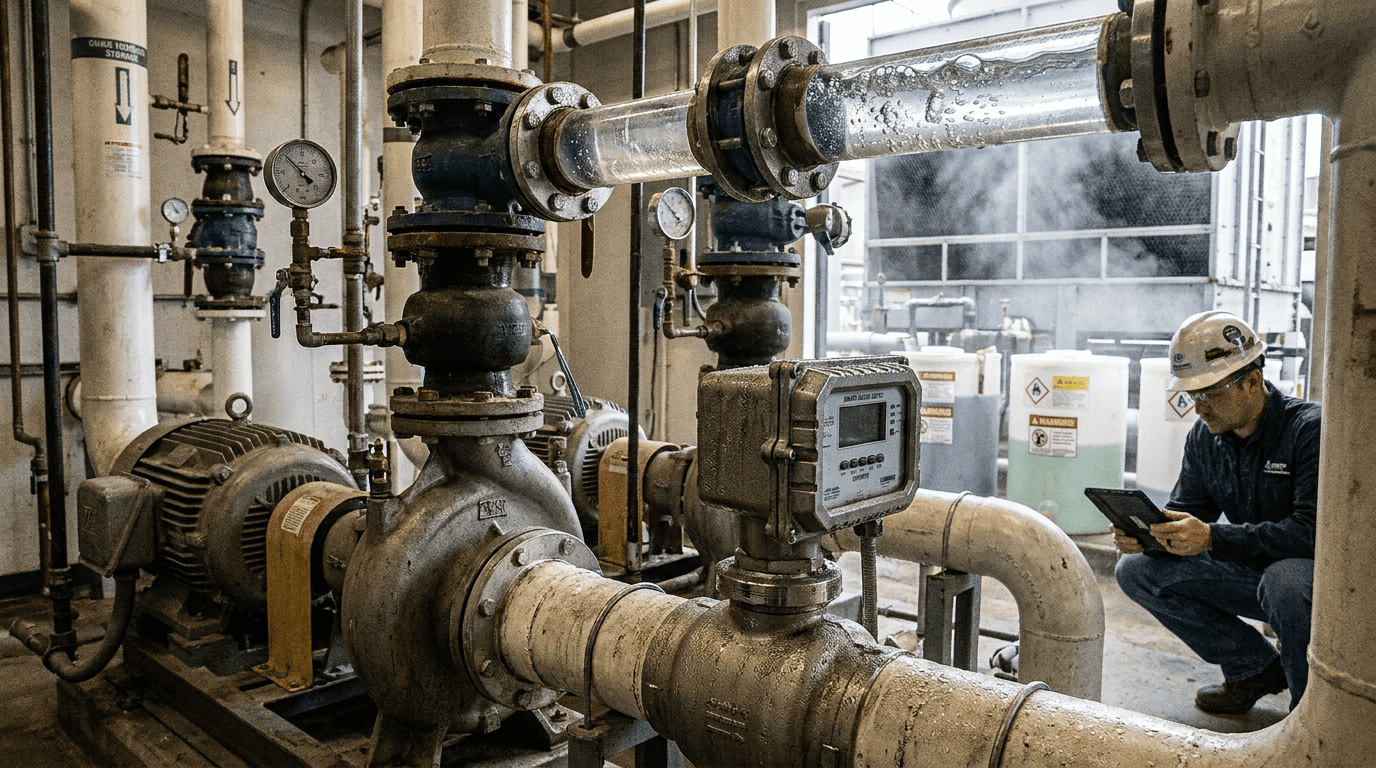
Non inizio un progetto di misurazione di un parco industriale chiedendo solo diametro e prezzo. Per prima cosa chiedo dove funzionerà il contatore. Chiedo se si posizionerà vicino all'uscita della pompa. Chiedo se il tubo fa parte di un circuito di raffreddamento. Chiedo se il dosaggio di sostanze chimiche avviene nelle vicinanze. Chiedo se il tubo può rimanere pieno durante il normale funzionamento. Faccio queste domande perché un contatore intelligente è pur sempre uno strumento di misura. Può inviare dati. Può lanciare allarmi. Può supportare una migliore fatturazione e manutenzione. Ma non può trasformare l’acqua instabile in acqua stabile.
YOUNIO has certificates and approvals covering management systems and product families, compreso l'ISO 9001, Iso 45001, Iso 14001, ISO/IEC 27001, OIML R49, METÀ, ACS, ed elenchi relativi a NSF/ANSI per diverse gamme di contatori dell'acqua. Considero questi certificati come una base solida. So ancora che ad un prodotto certificato deve essere abbinato un sito reale. Il sito decide la pressione, lo stato del tubo, il rischio aereo, e l'onere di mantenimento.
Usi tipici dell'acqua nei parchi industriali?
Non inizio mai con il modello del contatore. Comincio dal modo in cui il parco industriale utilizza l'acqua, perché ogni utilizzo crea un rischio di misurazione diverso.
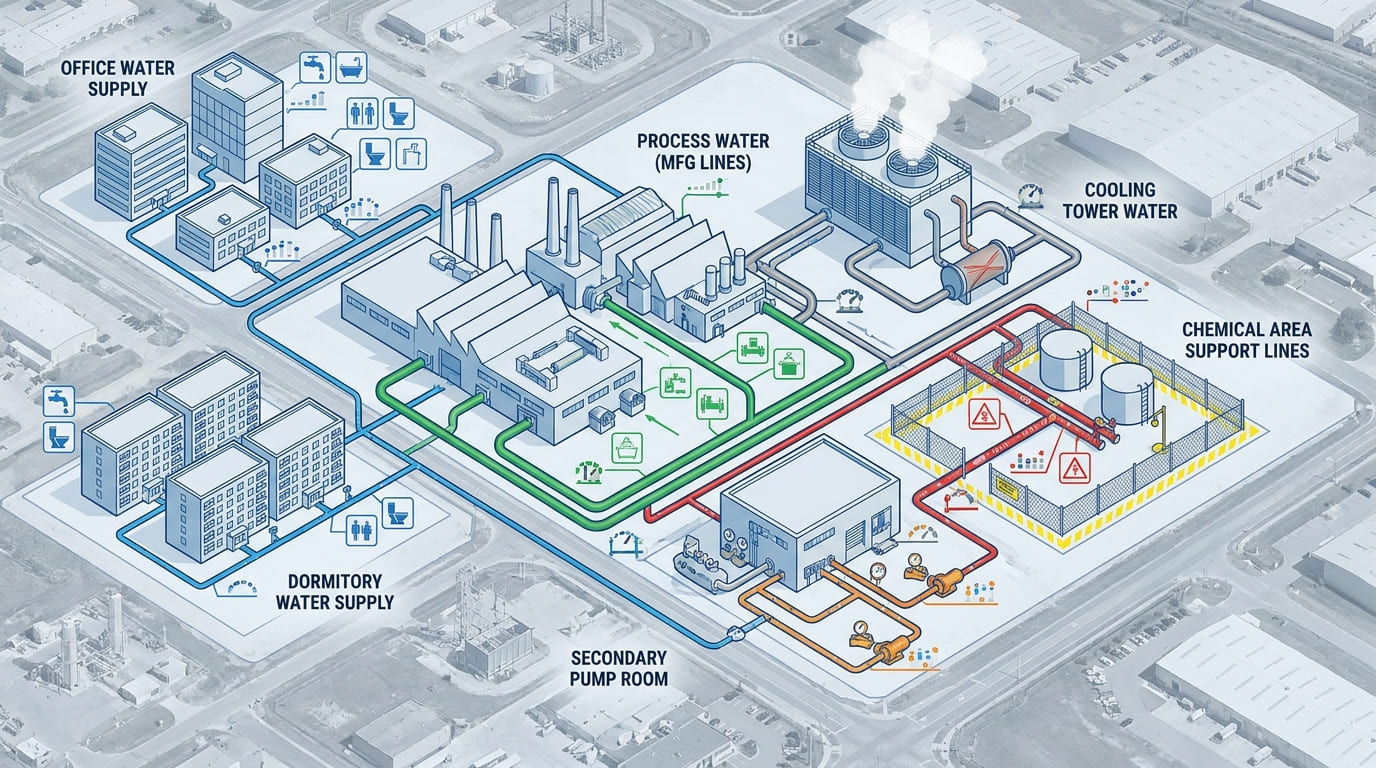
I parchi industriali solitamente necessitano di contatori per l'acqua degli uffici, acqua del dormitorio, acqua di processo, acqua di raffreddamento, sale pompe secondarie, e linee di supporto dell'area chimica. Ogni punto ha il proprio comportamento di flusso e il proprio rischio.
Come classifico il sito prima della selezione del contatore
Classifico ogni punto d'acqua prima di selezionare il contatore. Ho messo gli edifici per uffici, dormitori, mense, e le unità commerciali nel normale gruppo idrico dell'edificio. Questi punti spesso si comportano come siti commerciali o residenziali. Ho messo le linee di produzione, punti di lavaggio, torri di raffreddamento, caldaie, e sistemi di trattamento in un gruppo di acque di processo. Questi punti possono avere orari di funzionamento prolungati, grandi variazioni di flusso, e particolari problemi relativi alla qualità dell'acqua. Ho inserito le sale pompe secondarie in un gruppo ad alta attenzione perché l'avvio e l'arresto della pompa possono creare sbalzi di pressione. Ho inserito i circuiti di raffreddamento in un altro gruppo ad alta attenzione perché l'aria può accumularsi nei punti più alti. Ho inserito le aree di dosaggio delle sostanze chimiche in un gruppo di revisione attenta poiché i vapori chimici e l'esposizione alla corrosione possono ridurre la durata del misuratore e del modulo. Non presumo che un contatore intelligente possa misurare qualsiasi liquido chimico. Per prima cosa confermo che il mezzo è adatto al misuratore, che il liquido è acqua o un mezzo omogeneo simile all'acqua, e che il tubo rimanga pieno durante la misurazione.
| Utilizzo dell'acqua | Cosa controllo per primo | Rischio principale che mi aspetto |
|---|---|---|
| Acqua per uffici e dormitori | Modello di utilizzo quotidiano ed esigenza di fatturazione | Normali controversie tra utenti |
| Acqua di processo | Intervallo di portata e orari di lavoro | Dati sovraccarichi o instabili |
| Circuito di raffreddamento | Rilascio dell'aria e punti alti | Flusso bifase e falsi allarmi |
| Locale pompe secondario | Logica di avvio della pompa e oscillazione della pressione | Letture e vibrazioni casuali |
| Zona dosaggio prodotti chimici | Vapore, posizione dell'armadietto, esposizione materiale | Corrosione e cedimento precoce |
Cosa controllo sul posto
- Controllo il gruppo utenti reale.
- Controllo il flusso massimo e quello minimo.
- Controllo se il tubo può rimanere pieno.
- Controllo se le pompe si avviano e si fermano spesso.
- Controllo se lo stoccaggio o il dosaggio dei prodotti chimici è vicino al contatore.
- Controllo se il cliente ha bisogno dei dati di fatturazione, elaborare i dati, o dati di allarme.
Condizioni di processo che uccidono presto i contatori?
Vedo che i contatori muoiono presto quando le condizioni del tubo sono più forti del presupposto del prodotto. Utile la scheda tecnica, ma il sito decide la vita reale.
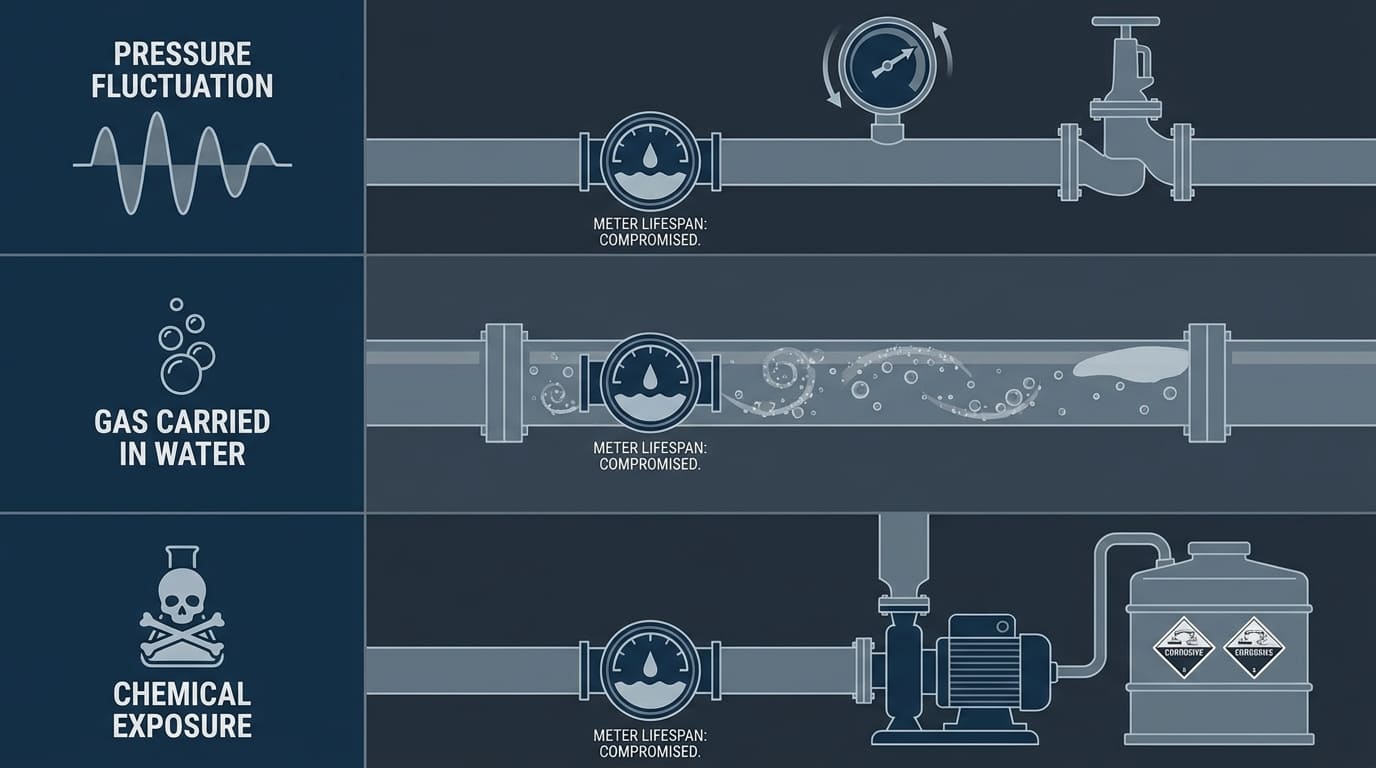
Le tre condizioni più comuni che provocano la morte precoce sono le fluttuazioni di pressione, gas trasportato nell'acqua, ed esposizione chimica. Li vedo spesso nelle sale pompe, circuiti di raffreddamento, e sale di dosaggio.
Pressione, aria, e le sostanze chimiche non sono dettagli da poco
Considero la fluttuazione della pressione come un rischio di misurazione. Non lo considero solo un problema di tubature. Una sala pompe secondaria può creare rapidi cambiamenti di flusso, vibrazione, e improvvise onde di pressione. Queste modifiche possono rendere i dati instabili anche quando lo strumento stesso non è danneggiato. Considero il gas nell'acqua come un altro grave rischio. Un circuito di raffreddamento può trasportare aria dopo la manutenzione, dopo la sostituzione della pompa, o dopo una scarsa ventilazione. Se l'aria passa attraverso la sezione di misurazione, il misuratore potrebbe rilevare una condizione che non corrisponde al normale flusso d'acqua pulita a tubo pieno. Considero l'esposizione chimica come un terzo rischio. Non prometto che un normale contatore dell'acqua possa gestire direttamente ogni liquido chimico. Le linee relative ai prodotti chimici necessitano di una revisione separata per la compatibilità media, sigillatura, scelta del materiale, posizione, ed esposizione ai vapori. Ciò è importante in prossimità delle sale di dosaggio, slittamenti del trattamento, e serbatoi di stoccaggio. YOUNIO ha una lunga esperienza nello sviluppo del prodotto, lavoro del centro tecnico, e la cooperazione sulle apparecchiature di misurazione e ispezione, quindi preferisco risolvere questi problemi attraverso la revisione tecnica anziché congetture.
| Condizione | What can happen | What I do first |
|---|---|---|
| Pressure fluctuation | Letture e reclami instabili | Controllare la posizione della pompa e la disposizione dei tubi |
| Gas in water | Falsi eventi di mancanza d'acqua o dati rumorosi | Controllare il rilascio dell'aria e i punti più alti |
| Chemical vapor | Rischio di invecchiamento o corrosione più rapido | Controllare la posizione e la protezione |
| Bad pipe geometry | Poor repeatability | Check bends, reducers, and straight sections |
| Wrong installation point | Data della controversia | Confermare il progetto prima dell'installazione |
Cosa controllo sul posto
- Controllo se il contatore è troppo vicino a una pompa.
- Controllo se il contatore è in prossimità di una larga curva o di un riduttore.
- Controllo se il tubo ha un punto alto vicino al contatore.
- Controllo se i vapori chimici possono raggiungere il corpo del misuratore o i componenti elettronici.
- Controllo se il contatore viene utilizzato per l'acqua o per un altro mezzo.
- Controllo se il team del sito può mostrare il diagramma del processo reale.
Perché la misurazione intelligente da sola non è sufficiente?
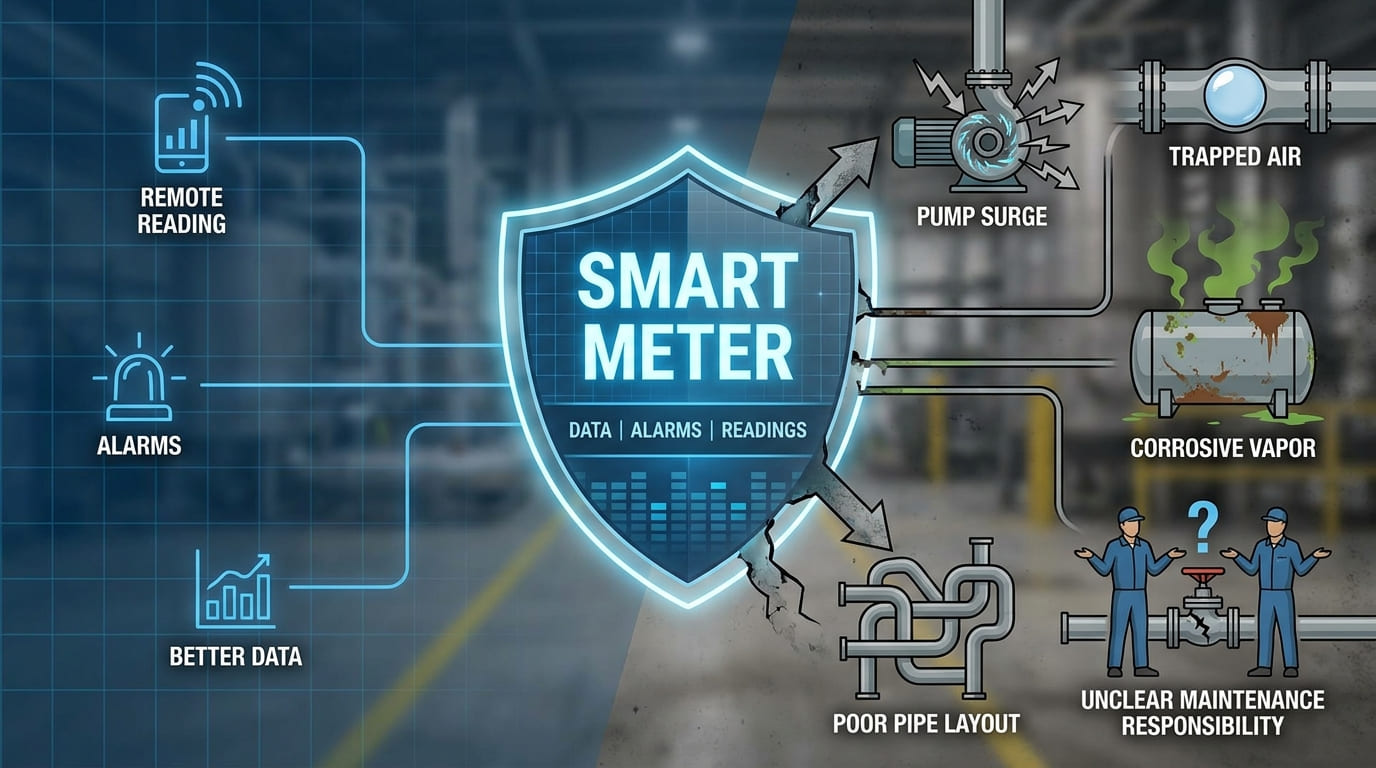
Mi piace la misurazione intelligente, ma non lo uso come scudo magico. Un contatore intelligente può segnalare problemi, ma non può rimuovere le cattive condizioni del sito.
La misurazione intelligente fornisce la lettura remota, allarmi, e dati migliori. Non risolve il sovraccarico della pompa, aria intrappolata, vapore corrosivo, disposizione dei tubi inadeguata, o responsabilità di manutenzione poco chiara.
Le funzioni intelligenti dipendono ancora dalle condizioni idrauliche di base
Separo la comunicazione intelligente dalle condizioni di misurazione. Un contatore dell'acqua intelligente può aiutare un cliente a ridurre il lavoro di lettura manuale. Può supportare la fatturazione remota. Può aiutare gli operatori a vedere gli eventi più velocemente. Può anche supportare un piano idrico digitale più ampio. Ma il misuratore dipende ancora dalle condizioni di base del sito. Se il tubo non è pieno, i dati potrebbero non rappresentare il flusso normale. Se la pompa crea shock ripetuti, le letture potrebbero diventare difficili da spiegare. Se il circuito di raffreddamento trasporta gas, l'allarme potrebbe sembrare un guasto del contatore. Se nella stanza chimica sono presenti vapori corrosivi, la vita sul campo potrebbe cambiare. Ecco perché dico sempre che lo smart metering è un compito di sistema. Il metro, il tubo, il dispositivo di comunicazione, l'appaltatore dell'installazione, e il team di manutenzione determinano il risultato. I materiali del certificato YOUNIO mostrano un'ampia base di approvazioni di prodotti per contatori dell'acqua, inclusi OIML R49 e MID per diverse famiglie di contatori, ma ho ancora bisogno che il design del campo corrisponda alla selezione del prodotto.
| Funzionalità intelligente | Cosa mi dà | Ciò che non può risolvere da solo |
|---|---|---|
| Lettura a distanza | Meno lavoro manuale | Disposizione errata delle tubazioni |
| Allarme evento | Faster notice | Wrong alarm settings |
| Battery report | Maintenance reminder | Poor access to the meter |
| Communication link | Better data flow | Bad hydraulic condition |
| Dati della piattaforma | Trend review | Sbagliato selezione del contatore |
Cosa controllo sul posto
- I check what problem the client wants to solve.
- I check whether the meter is for billing, operation, o entrambi.
- I check whether alarms will go to a real operator.
- I check whether the client can respond to alarms.
- I check whether the communication network reaches the meter room.
- I check whether the site has clear maintenance ownership.
Casi di studio: High-Pressure Pump Rooms, Two-Phase Cooling Loops, e aree di dosaggio dei prodotti chimici?
I keep seeing the same complaint stories. The meter gets blamed first, but the process condition often explains the failure.
I group industrial park complaint cases into high-pressure pump rooms, two-phase cooling flow, and chemical dosing areas. Questi casi mostrano perché la revisione sul campo deve avvenire prima dell’implementazione.
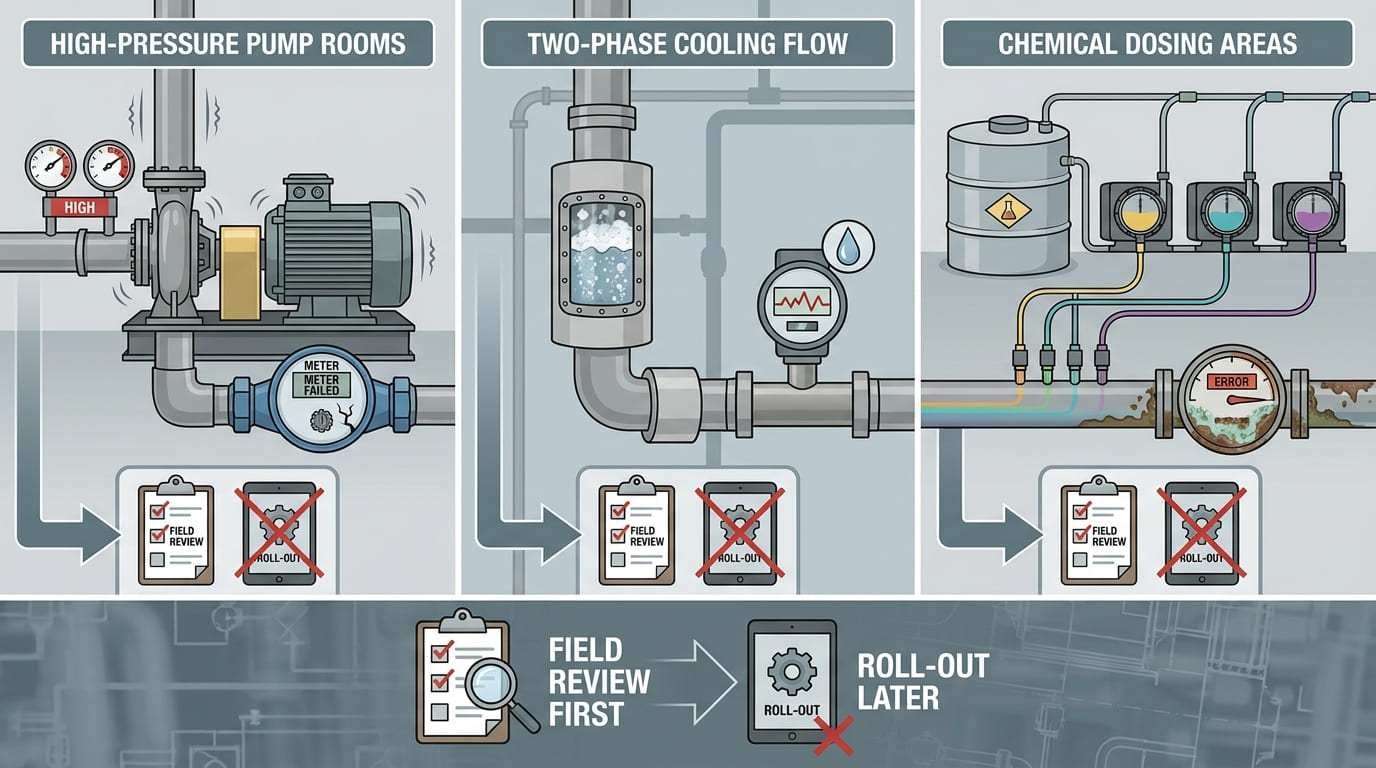
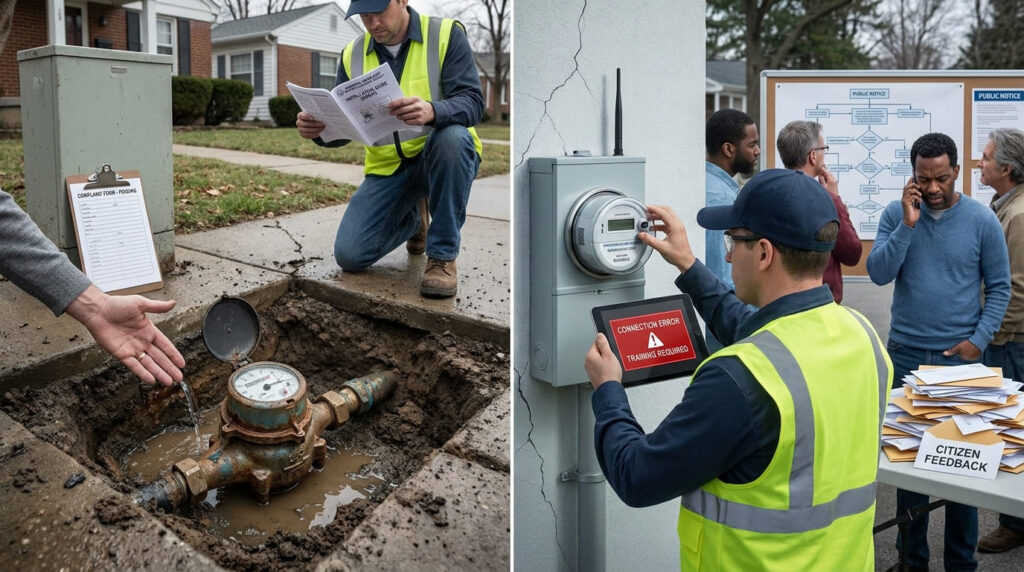
Caso 1: locale pompe secondario con letture instabili
Una volta ho esaminato una sala pompe secondaria in cui l'operatore si lamentava di letture instabili. I dati saltavano durante i periodi che il team del sito riteneva normali. Non ho iniziato chiedendo un contatore sostitutivo. I walked the pipe. Ho guardato l'uscita della pompa. Ho guardato la curva più vicina. I looked at the available tubo dritto. Ho anche chiesto quando la pompa si avviava e si fermava. Il contatore è stato installato in una zona idraulica rumorosa. Il problema di lettura sembrava un problema del contatore, ma il layout ha dato al misuratore un lavoro difficile. Ho chiesto all'appaltatore di spostare il punto di misurazione in una zona più tranquilla. Ho anche chiesto al team del sito di registrare gli eventi della pompa durante il test successivo. The complaint became easier to explain after the meter data and pump events were reviewed together.
Caso 2: cooling loop with air and false alarms
I reviewed a cooling loop that created no-signal style events. The line was not truly empty. Air collected in a high section and moved through the meter after certain operating changes. The operator first thought the smart meter was unreliable. I looked at the pipe route and found that the meter was placed near a section where air could collect and pass. I did not call it a communication problem. I treated it as a two-phase flow problem. I asked the team to add better air release and move the meter to a point that stayed full. I also adjusted the alarm review rule. The team stopped treating every signal event as a water outage. This helped protect trust in the metering system.
Caso 3: chemical dosing room with early failure risk
I reviewed a site where meters near a dosing area had a higher early-failure concern than meters in cleaner rooms. I did not say the water meter could or could not measure every chemical line. I said the medium and environment needed separate review. If the line carries water with treatment chemicals, I need to know the concentration, temperatura, and compatibility. If the meter only sits near chemical tanks, I need to know whether corrosive vapor can reach the register, cavo, modulo, or body. I also check whether the meter box is sealed and ventilated. This is a cautious position. It protects the client and the supplier. It also fits the way I want YOUNIO to work as a project partner, not a low-cost component vendor.
| Caso | Rimostranza | Vero problema | La mia correzione |
|---|---|---|---|
| Sala pompe | Dati instabili | Oscillazione della pressione e posizione errata | Sposta il misuratore e monitora gli eventi della pompa |
| Circuito di raffreddamento | Falso allarme di mancanza acqua | Aria nel tubo | Aggiungi il rilascio dell'aria e scegli un punto a tubo pieno |
| Zona chimica | Preoccupazione per il fallimento precoce | Vapore o rischio medio | Controlla la compatibilità e la protezione |
Cosa controllo sul posto
- Chiedo quando avviene la denuncia.
- Confronto i reclami con il funzionamento della pompa.
- Ispeziono il tubo prima e dopo il contatore.
- Controllo se si può accumulare aria vicino al contatore.
- Controllo separatamente l'area chimica.
- Chiedo se il cliente ha cambiato operazione prima che iniziasse il problema.
Alla ricerca di un fornitore affidabile di contatori dell'acqua?
YOUNIO produce contatori d'acqua meccanici e ad ultrasuoni da DN15 a DN500, Certificato MID e testato ISO 4064. Campioni gratuiti e rapporti sui test di fabbrica disponibili per acquirenti qualificati.
Integrazione con sistemi SCADA ed EMS?
Non voglio che i dati sull'acqua vivano in un'isola separata. I parchi industriali necessitano di eventi acquatici accanto al processo, energia, e dati di manutenzione.
Integro la misurazione intelligente dell'acqua del parco industriale con SCADA ed EMS allineando i dati del contatore, nomi degli allarmi, collegamenti di comunicazione, e responsabilità della manutenzione in un'unica visione operativa.
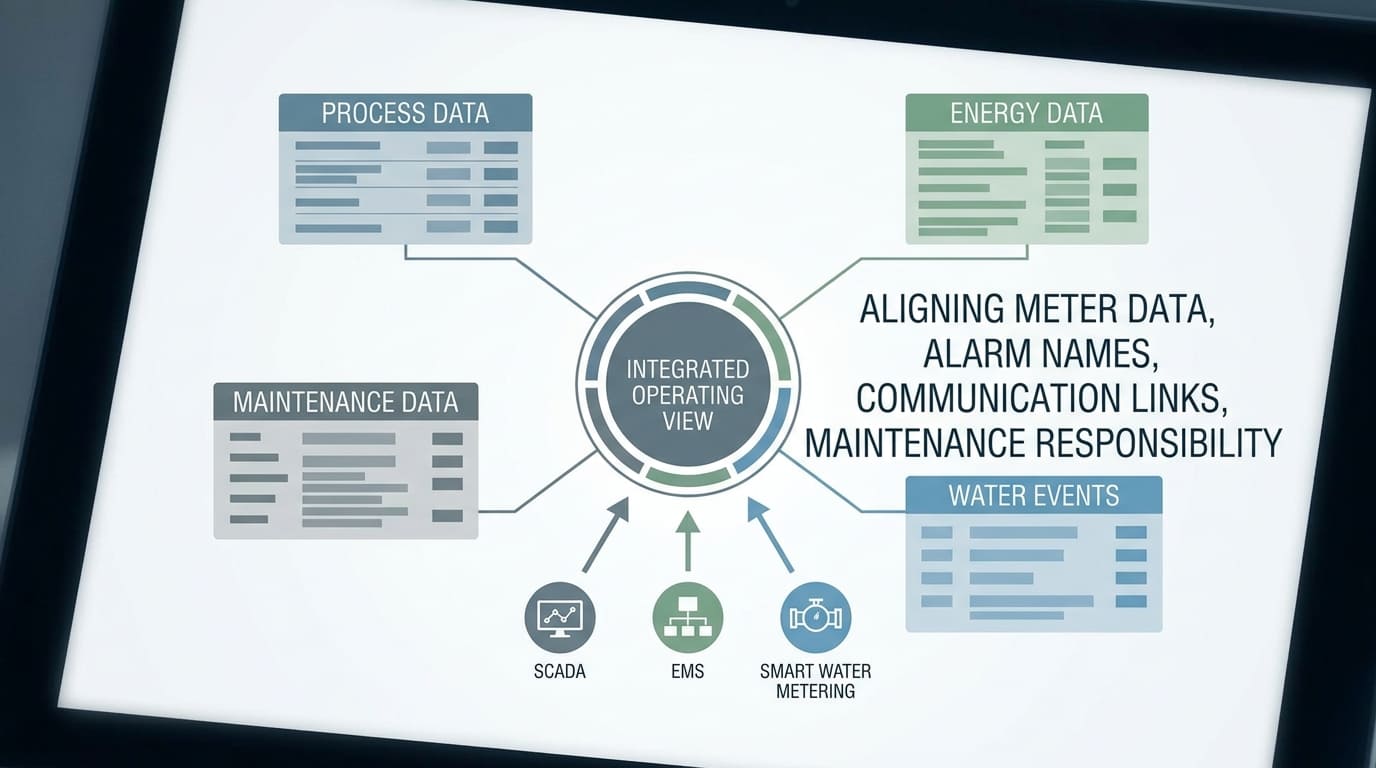
Come collego i contatori al sistema impiantistico più ampio
Comincio con i dati di cui il sito ha bisogno. Alcuni clienti necessitano solo della fatturazione mensile. Alcuni hanno bisogno di equilibrio quotidiano. Alcuni necessitano di allarmi per perdite. Alcuni necessitano di un reporting congiunto su energia e acqua. Definisco quindi come i dati del contatore dell'acqua devono raggiungere il sistema dell'impianto. Definisco anche chi possiede ciascun allarme. Non voglio che un allarme acqua appaia su uno schermo senza che nessuna persona sia responsabile dell'azione. In un progetto, Ho visto il team IT ricevere allarmi di comunicazione, mentre il team di manutenzione ha ricevuto allarmi di perdite. Ciò ha aiutato il sito a reagire più rapidamente. Chiedo inoltre al team dello stabilimento di mantenere l'accesso alla lettura locale. I controlli locali aiutano quando la piattaforma remota e le condizioni del campo non sono d'accordo. I materiali YOUNIO mostrano una base aziendale nella zona industriale di Wenling, Zhejiang, Cina, e questo tipo di supporto fornito dalla fabbrica è importante quando i clienti esteri necessitano di documenti tecnici e comunicazioni di progetto. Noto inoltre che l'elenco dei materiali del certificato YOUNIO ISO/IEC 27001, che è utile quando i clienti hanno a cuore la gestione della sicurezza delle informazioni nei progetti di misurazione connessa.
| Strato di integrazione | Dati o funzioni | Perché lo uso |
|---|---|---|
| Contatore locale | Lettura sul campo | Conferma la realtà del sito |
| Dispositivo di comunicazione | Trasferimento dati | Riduce la lettura manuale |
| SCADA | Visualizzazione allarmi operatore | Supporta una risposta rapida |
| SME | Andamento dell'acqua e dell'energia | Supporta la revisione dell'efficienza |
| Sistema di manutenzione | Ordine di lavoro | Rende gli allarmi utilizzabili |
Cosa controllo sul posto
- Verifico se SCADA o EMS necessitano di dati grezzi o di dati di sintesi.
- Controllo chi riceve ciascun allarme.
- Controllo se la sala contatori ha copertura di segnale.
- Controllo se il cliente ha bisogno di report di livello di fatturazione.
- Controllo se il sito ha regole di sicurezza informatica.
- Controllo se l'accesso al display locale è ancora possibile.
Strategie di allarme per il rilevamento di perdite e anomalie?
Non accendo ogni allarme e spero per il meglio. Sintonizzo gli allarmi perché i siti industriali possono creare eventi normali che sembrano anormali.
Costruisco strategie di allarme attorno al segnale di mancanza acqua, long-flow leak, large-flow burst, flusso inverso, low battery, and communication loss. Sintonizzo ogni allarme sulla linea di processo.
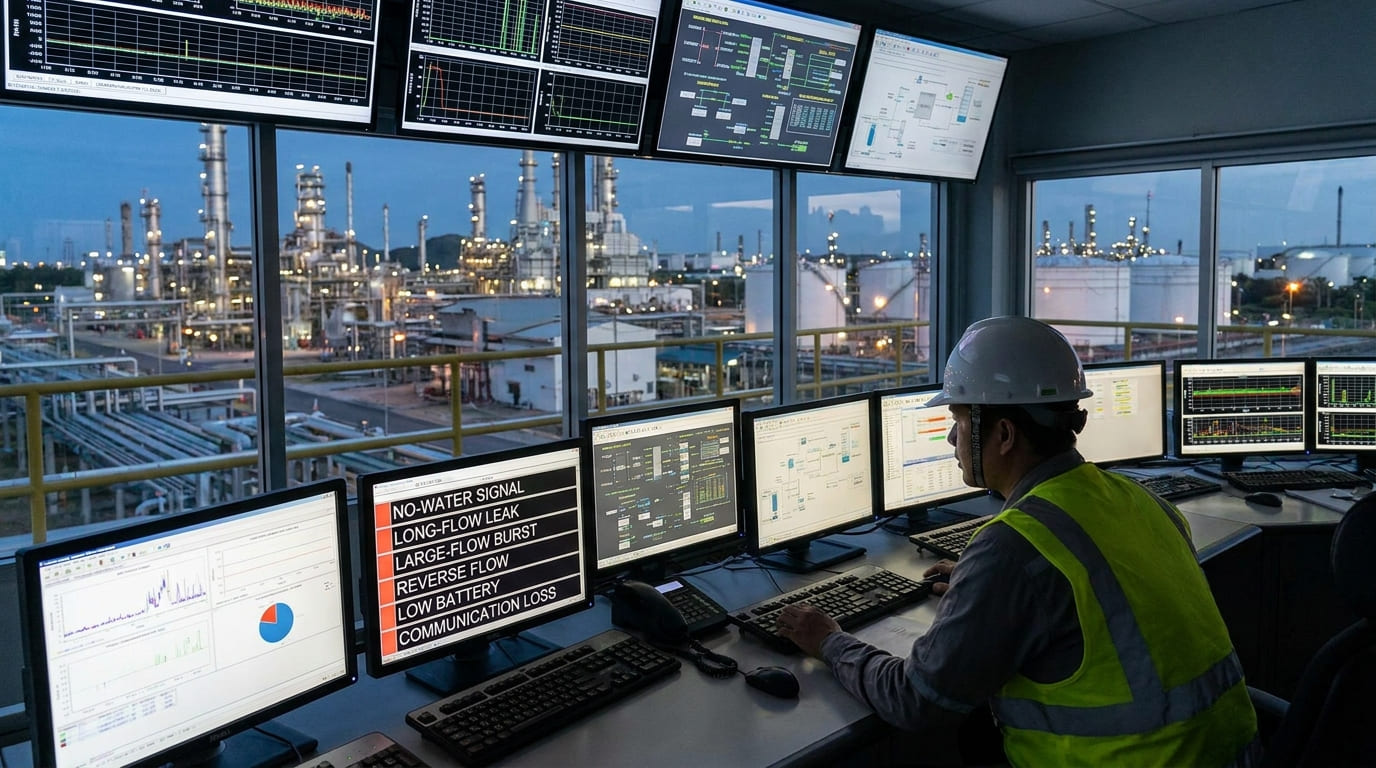
Come sintonizzo gli allarmi senza perdere la fiducia
Considero ogni allarme come una promessa all'operatore. Se l'allarme è troppo rumoroso, l'operatore lo ignorerà. Se l'allarme è troppo debole, il sito potrebbe non rilevare un problema reale. Sintonizzo gli allarmi riga per riga. Una linea dell'acqua domestica potrebbe avere un flusso notturno basso. In questo caso può essere utile un allarme perdite. Un circuito di raffreddamento può funzionare tutto il giorno. In questo caso un allarme a flusso lungo potrebbe essere normale. Una sala pompe può presentare brevi picchi di flusso elevato. Un allarme burst deve trovarsi al di sopra del normale picco iniziale. Un'area chimica potrebbe necessitare di controlli ambientali anziché solo di allarmi di flusso. Tengo inoltre separati gli allarmi della batteria e di comunicazione dagli allarmi idraulici. Una batteria scarica è un'attività di manutenzione. La perdita di comunicazione è un compito IT o di segnale. Un segnale di mancanza d'acqua può essere un compito idraulico. Questa separazione rende l'elenco degli allarmi più utile. Inoltre, semplifica la gestione dei reclami dei clienti perché ogni allarme ha un probabile proprietario.
| Allarme | Significato normale | Idea di messa a punto industriale |
|---|---|---|
| Segnale di mancanza acqua | Nessuna condizione di misurazione valida | Controllare lo stato dell'aria e del tubo pieno |
| Perdita a flusso lungo | Il flusso dura troppo a lungo | Linee continue vere esenti |
| Scoppio di grande flusso | Il flusso elevato dura troppo a lungo | Impostato sopra il picco di avvio della pompa |
| Flusso inverso | Possibile direzione errata o riflusso | Mantenere rigoroso e controllare l'installazione |
| Batteria scarica | Manutenzione richiesta | Assegna il proprietario sostitutivo |
| Perdita di comunicazione | Problema relativo al percorso dei dati | Controllare la rete prima di incolpare il contatore |
Cosa controllo sul posto
- Controllo quali linee circolano 24/7.
- Controllo i picchi di avvio della pompa prima di impostare gli allarmi di burst.
- Controllo se gli allarmi di mancanza acqua corrispondono agli eventi aerei.
- Controllo se gli allarmi batteria vanno in manutenzione.
- Controllo se gli allarmi di comunicazione vanno al personale IT o al personale addetto alla misurazione.
- Controllo se le registrazioni degli allarmi vengono riviste settimanalmente durante l'implementazione.
Progettazione di un solido piano di misurazione per siti industriali?
Progetto un piano di contabilizzazione come progetto un piccolo impianto. Includo la pipa, metro, comunicazione, allarme, contraente, and complaint process.
Un solido piano di misurazione intelligente dell’acqua per un parco industriale necessita di un’indagine del sito, selezione del contatore, installation control, communication design, alarm tuning, e revisione dei reclami post-implementazione.
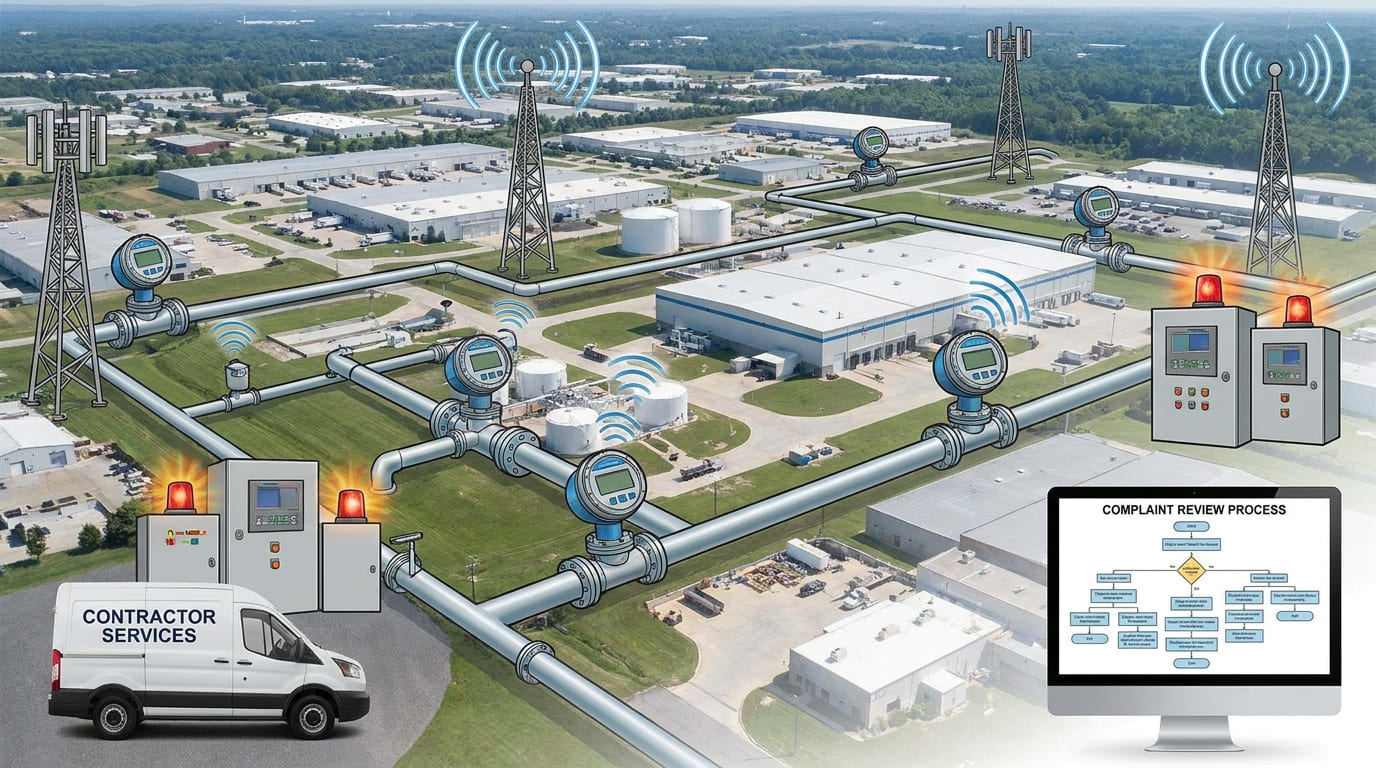
Il piano che utilizzo prima di approvare la distribuzione
Comincio con un sondaggio sul processo. I record pipe size, intervallo di flusso, pressure pattern, pump logic, high points, chemical rooms, e orari di funzionamento previsti. Quindi seleziono il misuratore rispetto alle condizioni reali, non solo diametro nominale. Verifico se la famiglia di contatori e la base del certificato sono adatti al mercato di riferimento e ai requisiti del progetto. I materiali del certificato YOUNIO elencano approvazioni e certificati come OIML R49, METÀ, ACS, NSF/ANSI 61, NSF/ANSI 372, e sistemi di gestione tra cui ISO 9001, Iso 14001, Iso 45001, and ISO/IEC 27001. Quindi controllo l'installazione. Formo gli appaltatori sulla direzione, pipe layout, accesso, cable protection, e foto chiare dopo l'installazione. Ho anche impostato le soglie di allarme per tipo di linea. I do not copy the same alarm values across dormitory lines, circuiti di raffreddamento, and pump rooms. After commissioning, I review complaint data with the operator. I ask whether the complaint is a real meter fault, a site condition issue, a communication issue, or a user expectation issue. This method reduces blind replacement and protects the project budget.
| Plan step | La mia azione | Key control point |
|---|---|---|
| Sopralluogo del sito | I map pressure, aria, and chemicals | Process reality before product choice |
| Meter selection | I match product family and certificates | Market and project compliance |
| Installation control | I review location and access | Fewer hidden errors |
| Contractor training | I train on direction and layout | Fewer negative and random readings |
| Communication setup | I test data transfer | Stable remote reading |
| Alarm tuning | I set thresholds by line | Fewer false alarms |
| Revisione del reclamo | I compare data and field events | Faster root-cause proof |
Cosa controllo sul posto
- Controllo tutte le sale pompe secondarie prima dell'installazione di massa.
- Controllo tutti i punti più alti del circuito di raffreddamento prima di scegliere la posizione del contatore.
- Controllo tutte le aree di dosaggio dei prodotti chimici per verificare la presenza di vapori e rischi di compatibilità.
- Controllo i certificati richiesti dal mercato.
- Controllo se il cliente ha bisogno dell'OEM, ODM, or project documentation.
- Verifico se il team del sito può supportare l'implementazione graduale.
Come posiziono il supporto YOUNIO in questi progetti?
Non voglio vendere solo un metro e lasciare solo il cliente. Voglio aiutare il cliente a ridurre il rischio del progetto prima che inizino i reclami.
A YOUNIO, Supporto i clienti con la revisione delle condizioni del sito, selezione del contatore rispetto a standard e certificati, installation guidance, progettazione delle opzioni di comunicazione, e analisi dei dati dei reclami.
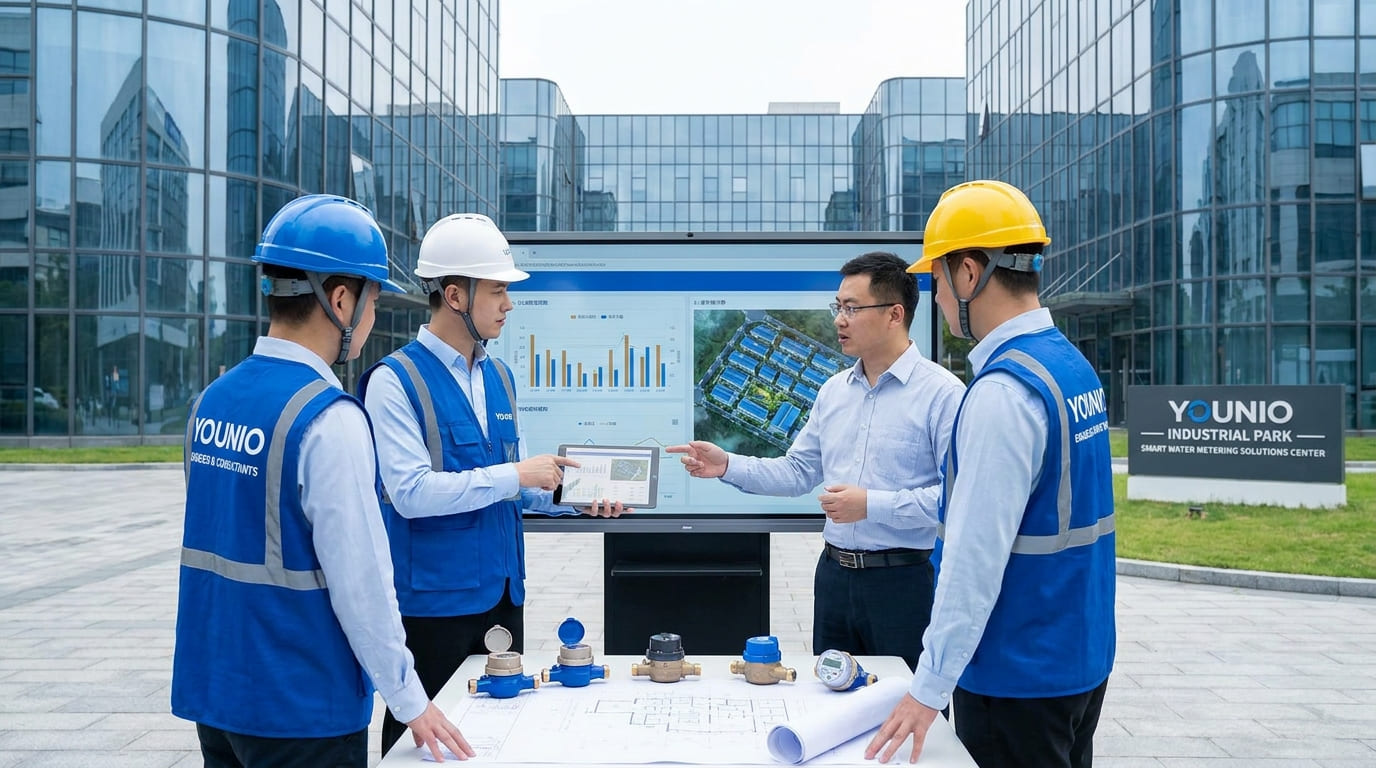
Dove aggiungo valore prima e dopo la consegna
Vedo YOUNIO come partner tecnico e di progetto per la misurazione intelligente dell'acqua nei parchi industriali. Supporto i clienti prima dell'ordine esaminando le informazioni del sito, intervalli di flusso, rischi di pressione, e bisogni di comunicazione. Supporto i clienti durante la selezione aiutandoli a confrontare le opzioni dei contatori meccanici e intelligenti con le condizioni del progetto e le esigenze dei certificati. I materiali del certificato YOUNIO mostrano un'ampia base di certificati attraverso i sistemi di gestione e i gruppi di prodotti dei contatori, e questo aiuta i team di progetto a preparare le offerte, fascicoli tecnici, e discussioni sulla conformità. Supporto l'installazione fornendo indicazioni pratiche sul posto, direzione, accesso, e protezione. Supporto l'implementazione digitale aiutando il cliente a scegliere un percorso di comunicazione e una struttura dei dati adeguati. Supporto il lavoro post-vendita esaminando i record dei reclami, registri degli allarmi, foto, e le condizioni del campo. Se un cliente ha bisogno di supporto su un nuovo progetto di contatore dell'acqua, YOUNIO fornisce canali di contatto tramite cellulare, e-mail, e i siti web YOUNIO. Non lo considero un semplice lavoro di vendita. Lo considero un lavoro sull'affidabilità della misurazione del ciclo di vita.
| Fase del progetto | Quello che sostengo | Valore del cliente |
|---|---|---|
| Prima della gara | Revisione del sito e del rischio | Migliori specifiche |
| Prima dell'ordine | Corrispondenza contatore e certificato | Minore rischio di approvvigionamento |
| Installazione | Layout e guida dell'appaltatore | Meno errori sul campo |
| Configurazione digitale | Comunicazione e pianificazione degli allarmi | Migliore utilizzo dei dati |
| Operazione | Analisi dei reclami e degli allarmi | Risoluzione dei problemi più rapida |
Cosa verifico con il cliente
- Controllo gli obiettivi del progetto prima di consigliare il prodotto.
- Controllo le esigenze dei certificati locali prima del preventivo.
- Controllo se il sito dispone di sale pompe, circuiti di raffreddamento, o stanze chimiche.
- Controllo la rete di comunicazione prima di selezionare il contatore intelligente.
- Controllo i modelli di reclamo dopo il primo lotto.
- Controllo se il lotto successivo necessita di modifiche al design.
Conclusione
Mi fido della misurazione intelligente dell’acqua nei parchi industriali solo quando rispetto il processo. Locali pompe, circuiti di raffreddamento, e le aree chimiche decidono se i dati diventano valore o reclami.
Alla ricerca di un fornitore affidabile di contatori dell'acqua?
YOUNIO produce contatori d'acqua meccanici e ad ultrasuoni da DN15 a DN500, Certificato MID e testato ISO 4064. Campioni gratuiti e rapporti sui test di fabbrica disponibili per acquirenti qualificati.