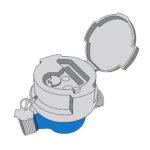

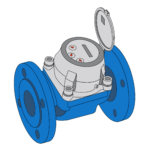

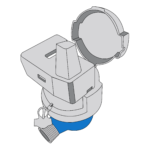

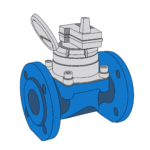

水道メーターに関する苦情の多くは製品の不良から始まるわけではありません. 間違った選択から始まる. 住宅地でもこういう事が何度も起きているのを見た, コマーシャル, および産業プロジェクト. メーターは工場でのテストに合格する可能性があります, 入札名と一致する, しかし、実際のアプリケーションが最初に十分に理解されていなかったため、依然として現場で失敗しています。.
苦情データから得られる最大の教訓はシンプルです. アプリケーションごとに異なるメーターが必要です. プロジェクトチームがサイズを無視した場合, 圧力定格, 設置方向, 温度クラス, およびフランジまたは接続規格, そうなると、早期に苦情が発生するリスクが急速に高まります. 大口径・高圧プロジェクトに, これらの選択ミスは、最初の 2 年間でバッチに関する苦情が発生する主な理由の 1 つです。. 規格そのものが、なぜこれが重要なのかを示しています. 水道メーターは静圧検査を受けています, 水圧, 圧力損失, 温度の影響, 逆流, とエラーパフォーマンス, つまり、選択は実際の動作条件に一致する必要があります, 呼び径だけでなく.
適切なメーターの選択は、「水を測定できるかどうか」だけではありません。?「適切なメーターの選択は、適切な水を測定できるかどうかによって決まります」, 適切な圧力で, 正しい向きで, 適切な設置条件下で, 適切な耐用年数のために.
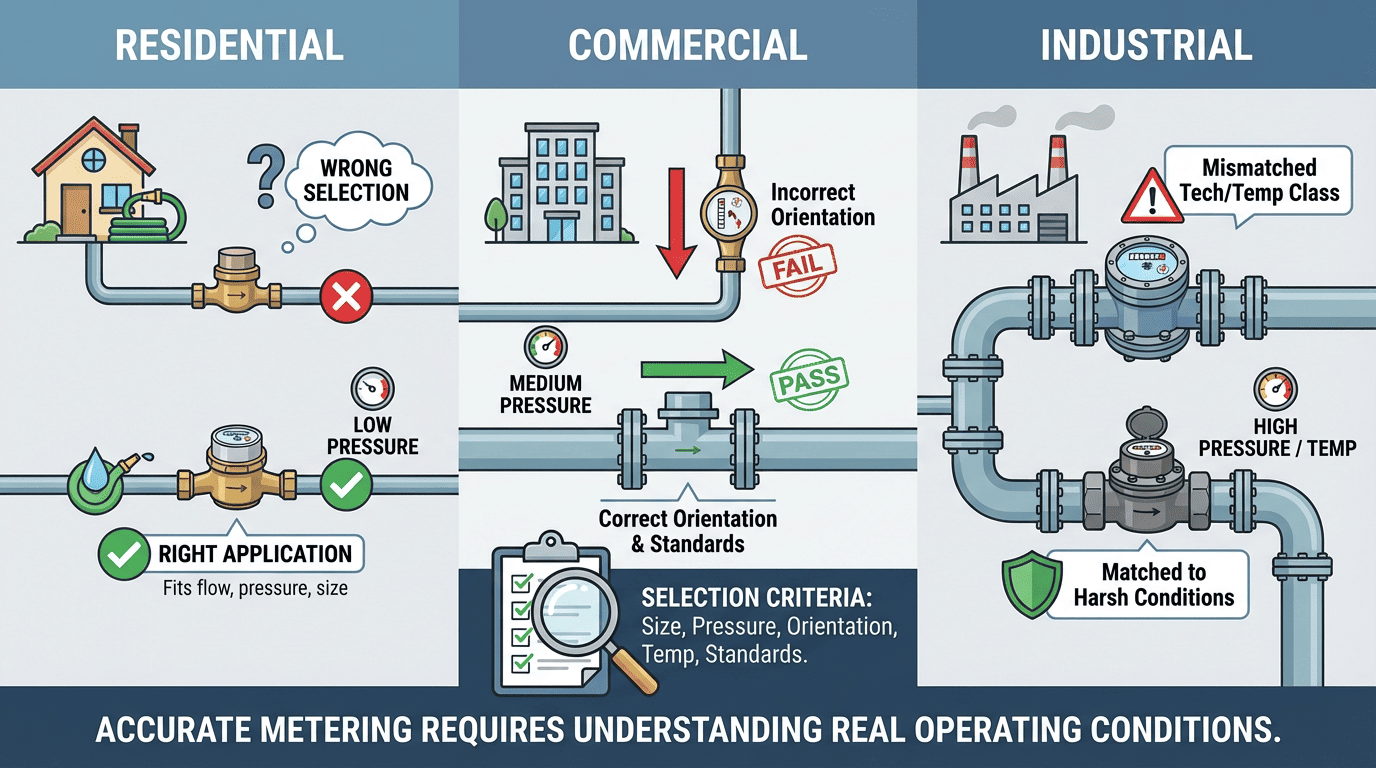
実際のプロジェクトでは, 間違った選択は単純な単語の背後に隠れていることがよくあります. 購入者は「DN100 メーター」または「スマート産業用メーター」を要求する場合があります。しかし、それらのラベルは広すぎる. プレッシャークラスについて十分に教えてくれない, マニホールドまたは接続部の寸法, 水温, 向き, または地域の標準. 単純な購入言語と実際の申請条件とのギャップが、将来多くの苦情を生む原因となります。.
アプリケーションごとに異なるメーターが必要な理由?
居住の, コマーシャル, 工業用水システムは同じように動作しません. したがって、1 つのタイプのメーターがすべてのメーターに対応できるかのように扱うべきではありません。. 私はいつもユースケースから始めます, 製品カタログではありません.
この基準は実際にこれを明確に示しています. メーターにはメーカーからの特定の設置要件が必要な場合があります, これらの要件に従い、関連する場合には型式承認証明書で報告する必要があります。. メーターの性能も圧力下でチェックされます, 温度, およびその他の運用上の影響, これは、アプリケーションの適合性が正しい選択の一部であることを意味します, 追加オプションではありません.
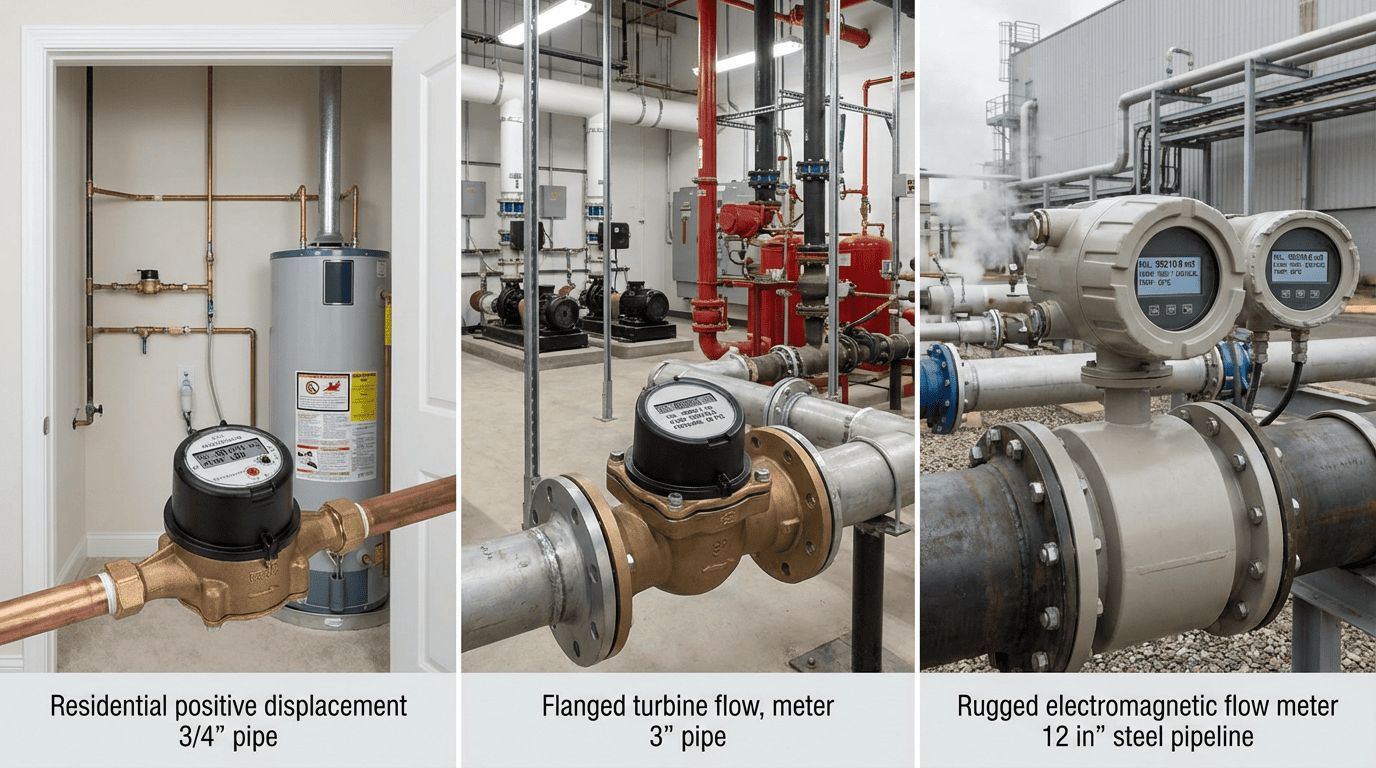
住宅用回線は通常、需要が低く安定しています. 商業ビルには山が存在することが多い, 断続的な使用, および混合ブランチ負荷. 工業用地では高圧がかかる可能性があります, 厳しい水環境, 異常な気温, または厳しい接続要件. 3 つすべてに同じメーター ロジックを選択した場合, 私はリスクを生み出します.
一部のメーターには方向制限もあります. ISO 4064 メーターが垂直または水平位置でのみ動作できる場合に必要です, これは V または H で明確にマークする必要があります. つまり、方向性は表面上の詳細ではないということです. メーターが現場に適しているかどうかに直接影響する可能性があります. 圧力マーキングにも同じことが当てはまります. 最大許容圧力が定義されたレベルを超えた場合, メーターにマークされている必要があります. また, つまり、圧力はメーターのアイデンティティの一部です, 単なる背景番号ではありません.
要するに, システム条件が異なるため、アプリケーションが異なれば異なるメーターが必要になります. 苦情データは通常、申請が複雑であればあるほど、, サイズだけに頼るのはより危険です.
| 応用 | 典型的なシステムパターン | 主な選択リスク |
|---|---|---|
| 居住の | より低く安定した流れ | オーバーサイズ, 間違った方向 |
| コマーシャル | ピーク時の需要と変動する使用量 | 流量範囲の一致が不十分, 圧力損失の問題 |
| 産業 | 高圧, 過酷な条件, 複雑な配管 | 間違った圧力クラス, 間違った接続規格, 間違った設置基準 |
住宅用メーターの要件とパターン?
住宅プロジェクトでは通常、安定した低流量パフォーマンスが必要です, 実用的な取り付けフィット感, シンプルな長期信頼性. このセグメントにおける苦情の多くは、実際の家庭需要や設置条件とのマッチングが不十分であることに起因しています。.
メーターは流量ゾーン全体の精度要件に対してテストされます, メーターが水平または垂直のみで使用するように設計されている場合、向きが重要になる場合があります。. これは、住宅用メーターの選択にはサイズだけでなく考慮する必要があることを意味します, 流れの挙動や実際の設置位置も考慮.
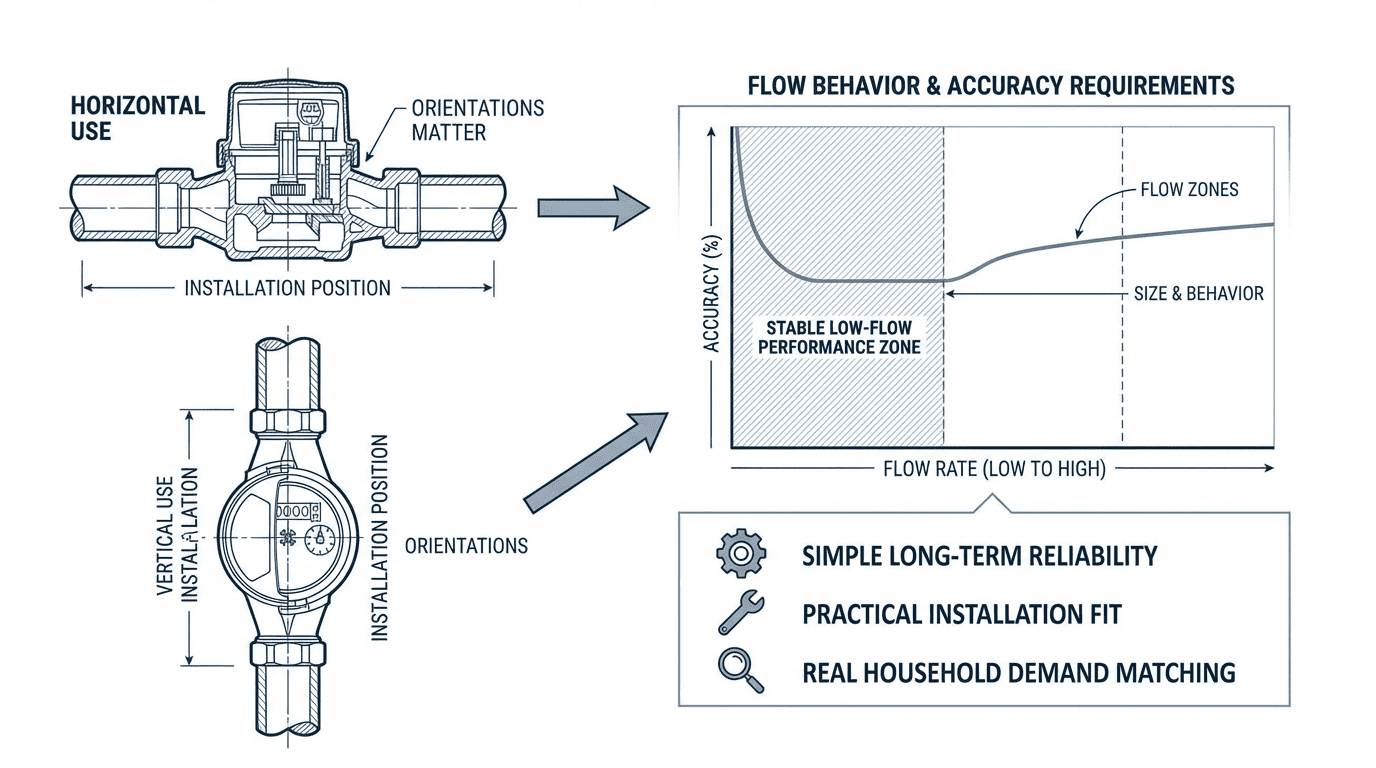
住宅関連の仕事で, 最もよくある間違いは、メーターが大きい方が常に安全であると考えることです. そうではない. 実際の流量パターンに対してメーターが大きすぎる場合, 実際には、低流量消費をうまく捉えることが難しくなる可能性があります. この規格では、エラー制御を下流量ゾーンと上限流量ゾーンに分割しています。, これは、低流量の動作と通常の流量の動作の両方が重要であることを示しています. 住宅用メーターはアパートの需要パターンに適合する必要があります, 家, または サブ測光 行, パイプのサイズだけではなく.
住宅改修時の設置方向にもこだわります. 一部の古いメーターボックスは垂直配置を強制します. 一部の建物では水平方向のスペースしか許可されていません. メーターが 1 つの方向のみにマークされている場合, 間違った方法で使用すると、回避可能なトラブルが発生します. これは、すぐに障害が発生する可能性がある種類の問題ではありません, ただし、後でパフォーマンスに関する問題が発生する可能性があります.
住宅プロジェクトでもシンプルな接続制御のメリットが得られます. 提供されている参考資料にはフランジ規格が直接記載されていませんが、, これらは、接続の寸法と標準インターフェイスがテストおよび使用コンテキストにおいて重要であることを示しています。. 小さな住宅工事でも, 接続の互換性を重要視しません.
商用メーターの課題: 需要と複雑さ?
商業用地は通常、住宅用地よりも変動する需要パターンを生み出します。. ピークがあることが多い, 混合使用消費, 請求の公平性と継続性に対する期待が高まる.
水道メーターは誤差性能検査を行っているため、, 圧力損失, そして水圧, 商用メーターは、需要プロファイルとシステム負荷の両方を考慮して選択する必要があります. 紙の上では許容できるメーターであっても、実際の建物の用途と一致しない場合は苦情が生じる可能性があります。.
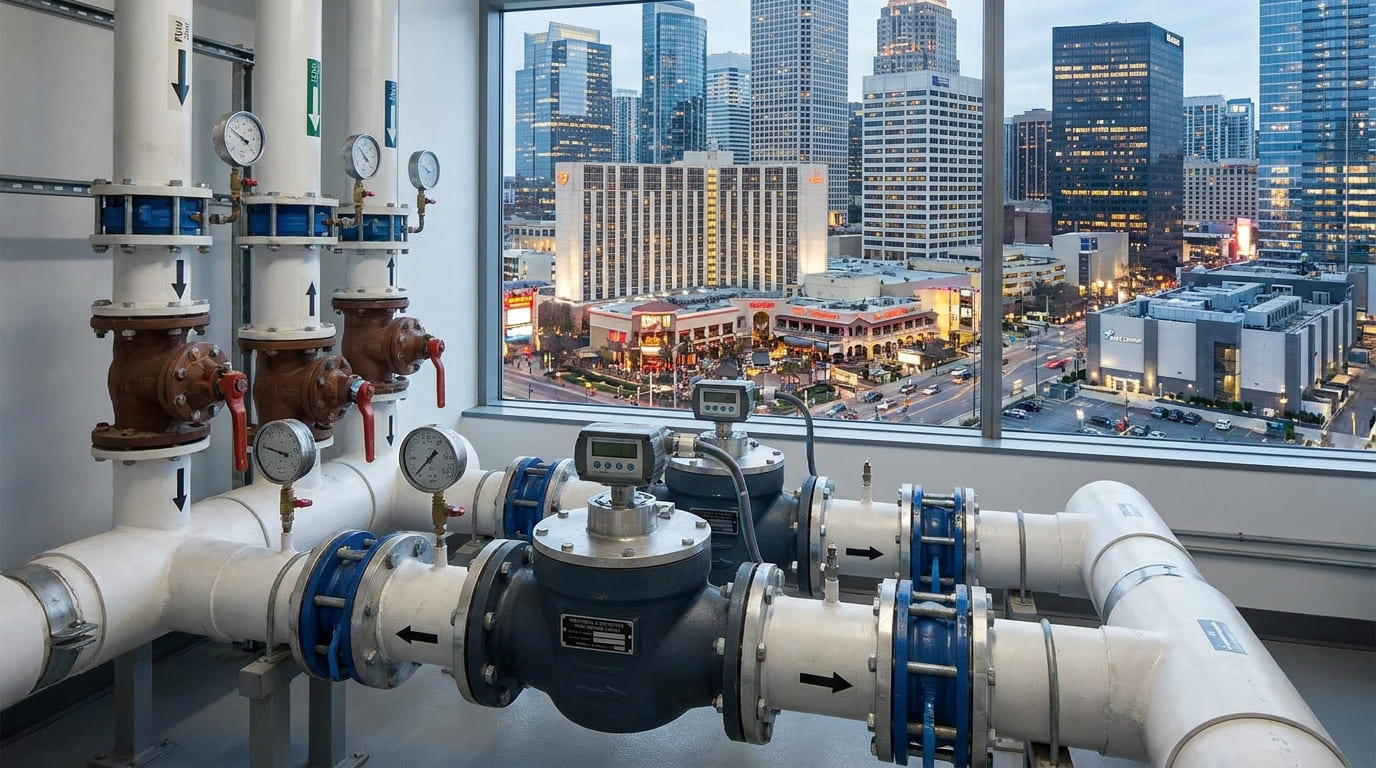
商業ビル内, 多くの場合、最初に呼び径に基づいてメーターを選択し、次に要求行動に基づいて選択されます。. その順序は逆にすべきだ. ホテル, モール, オフィスタワー, 学校, 病院はすべて同じようなサイズのパイプを使用している可能性があります, しかしそれらの流れのパターンは同じではありません. 鋭い短いピークが見られるものもあります. 日中の長時間の安定した使用が見られる人もいます. 一部の製品では、次の理由により、より優れた低流量感度が必要です。 漏れ モニタリングとサブ課金.
標準はより慎重なアプローチをサポートしています. 圧力損失は、あらゆる種類の水道メーターの正式な試験項目の 1 つです. すでに油圧マージンが厳しい建物でメーターが過剰な圧力損失を発生させる場合, 苦情は「メーターの不良」ではなく「システムのパフォーマンスの低下」として来る可能性があります。,」 しかし、根本的な原因はやはり選択にあります. 水圧試験も同様です. 技術的に準拠したメーターであっても、建物の実際の圧力条件と一致する必要があります。.
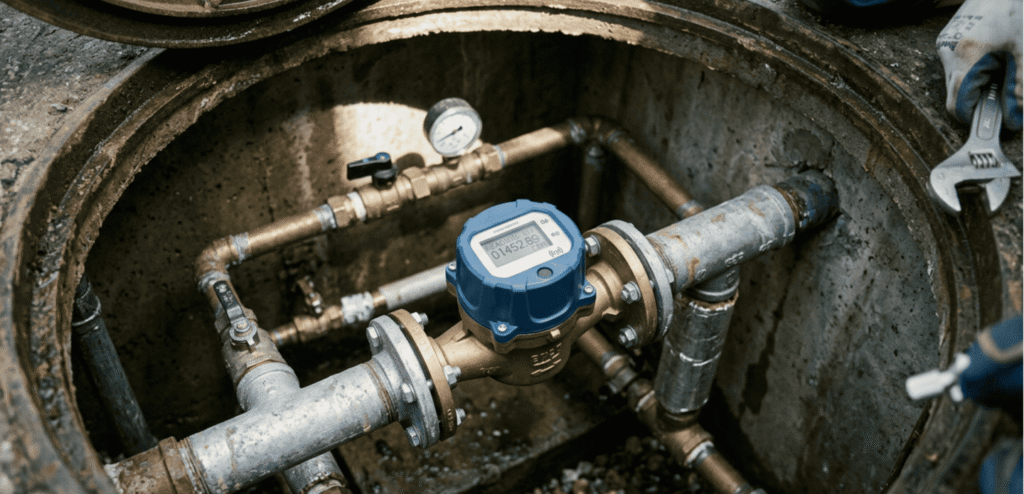
商用プロジェクトではレイアウトがさらに複雑になります. 分岐配管, メータールーム, 改修限界, 建築基準はすべて設置に影響します. メーカーが設置要件を指定している場合, それらは従うべきです, また、関連する場合には型式承認証明書に記載される必要があります。. 設置の適合性の低下は選択の不適切なことから始まることが多いため、この点を真剣に受け止めています。.
信頼できる水道メーターのサプライヤーを探しています?
YOUNIO は機械式および 超音波 DN15からDN500までの水道メーター, MID 認定および ISO に準拠したテスト済み 4064. 資格のあるバイヤーは無料サンプルと工場テストレポートを利用できます.
工業用メーターの課題: 過酷なメディアと条件?
産業プロジェクトは大規模なプロジェクトを組み合わせるため、選択リスクが最も高くなります。, より高い圧力, 困難な動作条件. 私の経験では, ここは、間違った圧力クラスと無視されたフランジの詳細が初期の最大の苦情の波を引き起こす場所です。.
工業用メーターの選択には圧力を考慮する必要があります, 水温, 設置条件, およびメーカー固有の動作制限. 標準には水圧テストが含まれています, 静圧試験, そして水温検査, これは、これらの状態が二次的な懸念事項ではないことを示しています.
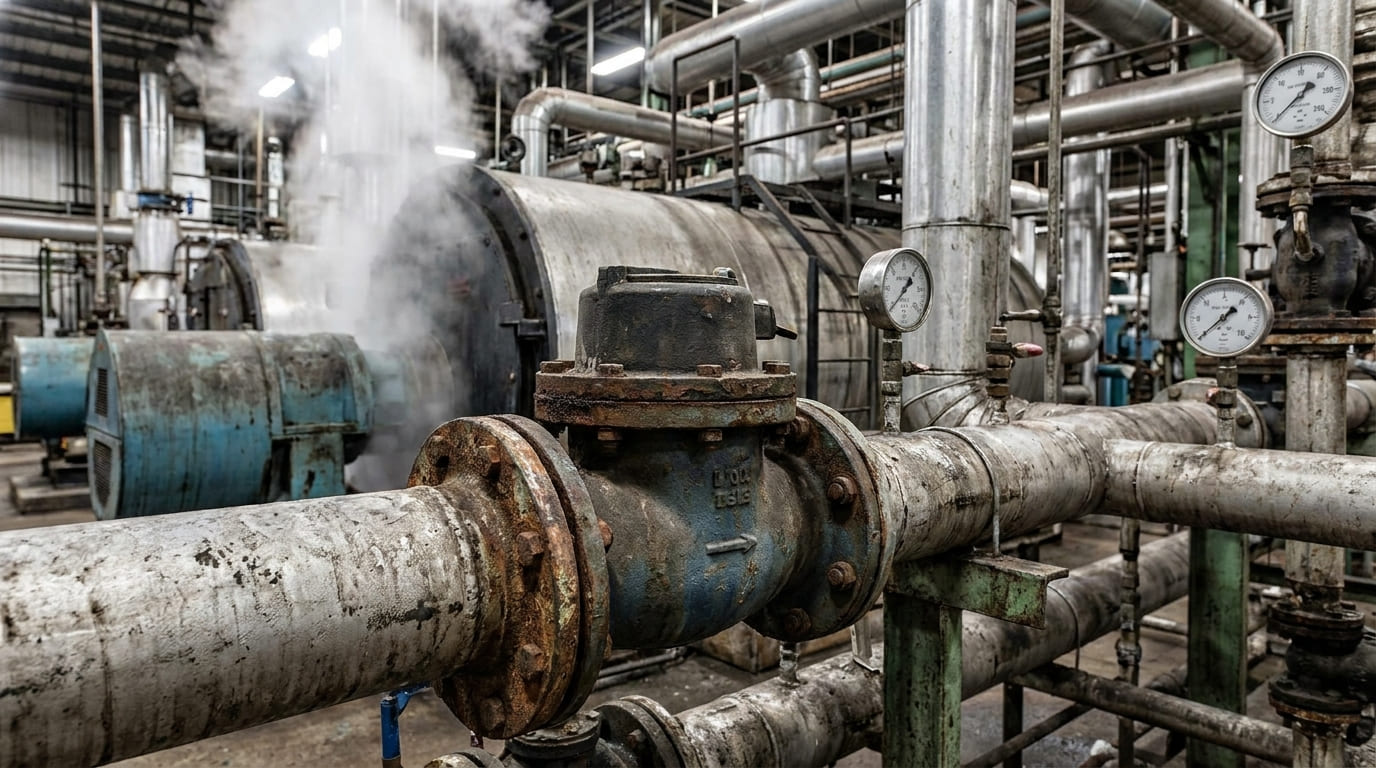
産業用システムは住宅用回線に比べて寛容ではありません. 媒体が攻撃的な場合, 圧力が高い場合, または回線のサージが発生した場合, 小さな選択ミスが現場で大きな問題になる可能性があります. そのため、私は最大許容圧力のマークに細心の注意を払っています。. ISO 4064 特定のしきい値を超えた場合にこのマーキングが必要です, 含む 1 MPa (10 バー), または 0.6 MPa (6 バー) DN500以上の場合. これは、圧力クラスが単なる設計上の注意事項ではないことを強く思い出させます。. 実践的な選考チェックポイントです.
産業およびプロセス関連システムでは水温もより重要になります. この規格には専用の水温テストが含まれており、指示誤差に対する水温の影響を測定します。. したがって、プロジェクトチームが温度クラスがラインに一致するかどうかを確認せずにメーターを設置すると、, 予測可能な苦情リスクが発生する.
産業プロジェクトでは、多くの場合、大径のフランジ接続が必要になります。. ここの参考文献にはフルフランジの標準表は記載されていません。, これらは、標準インターフェースと接続寸法が重要であることを示しています. 実際のクレーム業務では, 間違ったフランジ規格, 間違ったボルトパターンの想定, 圧力クラスの不一致は、技術的に優れたメーターをサイトの故障に変える最速の方法の 1 つです.
苦情データが間違った選択について示していること?
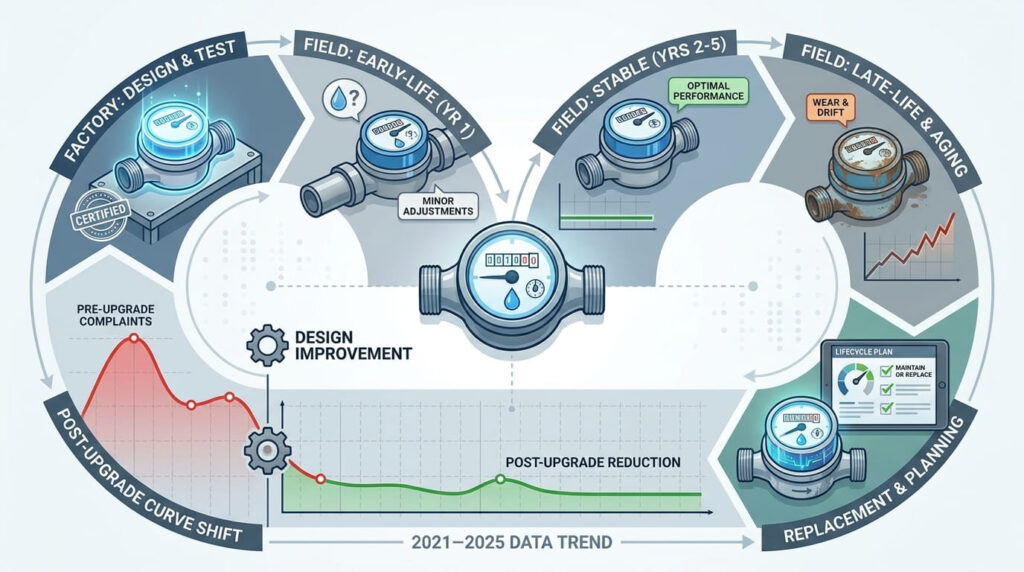
私たちの苦情データは同じパターンを示し続けています. 多くの場合、顧客の最初の判断は「不良品」または「品質に問題がある」です。しかしレビュー後, 多くのケースは本当に間違った選択のケースです.
最も一般的な間違った選択テーマは、直径の不一致ロジックです, 無視された圧力定格, 向きの不一致, 設置要件のギャップ, 接続規格の問題. この規格は、メーターが特定の圧力下で性能を検証されていることを示しています。, 温度, 向き, および設置関連の条件, つまり、プロジェクトの選択ではこれらの要素を尊重する必要があります.
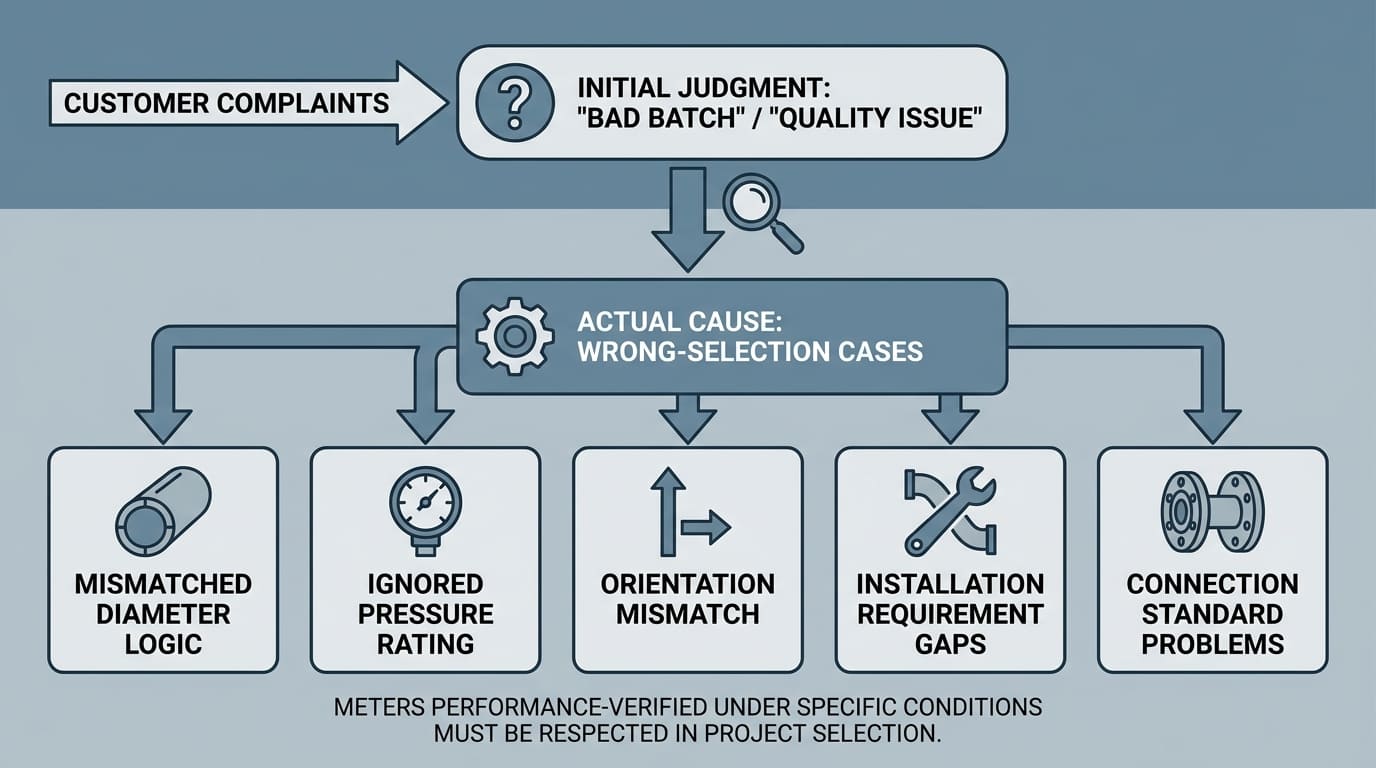
住宅関連の仕事で, 間違った選択をすると、サイズが大きすぎたり、向きが合わなかったりすることがよくあります。. 商業作品では, 多くの場合、需要プロファイルまたは圧力損失の懸念に対する適合性が不安定であることがわかります。. 工業的な仕事では, 最大の引き金は通常、圧力クラスと接続の問題です.
これは私たちの現場での経験の中核となる洞察と一致します. 直径, 圧力定格, 大口径および高圧プロジェクトでは、フランジ規格が無視されることが多すぎます。. その後、最初の 2 年以内に, サイトで苦情クラスターが発生し始める. メーター本体のせいになることもある. レジスターが非難されることもある. しかし、より詳細に検討すると、メーターが実際の回線の状態に決して適合しなかったことがわかります。.
標準もこのシステムビューをサポートしています. 関連する場合は、メーカーの設置要件に従う必要があります. メーターのマーキングは圧力を明確に識別する必要があります, 向き, 温度クラス, およびその他のインストールに依存するプロパティ (該当する場合). 言い換えると, 多くの苦情を回避するために必要なデータはすでに存在します. 問題は、チームが仕様や注文の際に十分に慎重に使用していないことが多いことです。.
| 苦情の症状 | 顧客が最初に疑うこと | 間違った選択でよくわかること |
|---|---|---|
| 初期の漏れまたはフィッティングの問題 | 製造が悪い | 間違った接続または圧力の一致 |
| 低流量の捕捉が不十分 | メーターの誤差 | 実使用パターンの特大メーター |
| 度重なる取り付けトラブル | 製品の欠陥 | 間違った標準インターフェイスまたは方向 |
| 大規模プロジェクトにおける初期の苦情バッチ | 「悪いロット」 | プロジェクト仕様全体にわたる選択ロジックのエラー |
圧力定格, 実際のフランジと規格?
圧力定格, フランジの互換性, と標準の配置は実際的な選択の問題です, 事務処理の問題ではなく. これらの詳細が些細なこととして扱われたために、多くの高価な問題が発生するのを私は見てきました。.
規格では、関連する場合、最大許容圧力をマークすることが義務付けられています。, また、方向を明確に示す必要もあります, 温度クラス, デフォルトの仮定と異なる場合の圧力損失クラス. また、メーターにはさまざまな本体形状や流れパターンを持つ標準インターフェイスが搭載されている可能性があることも認識しています。, つまり、接続の互換性を詳細にチェックする必要があります.
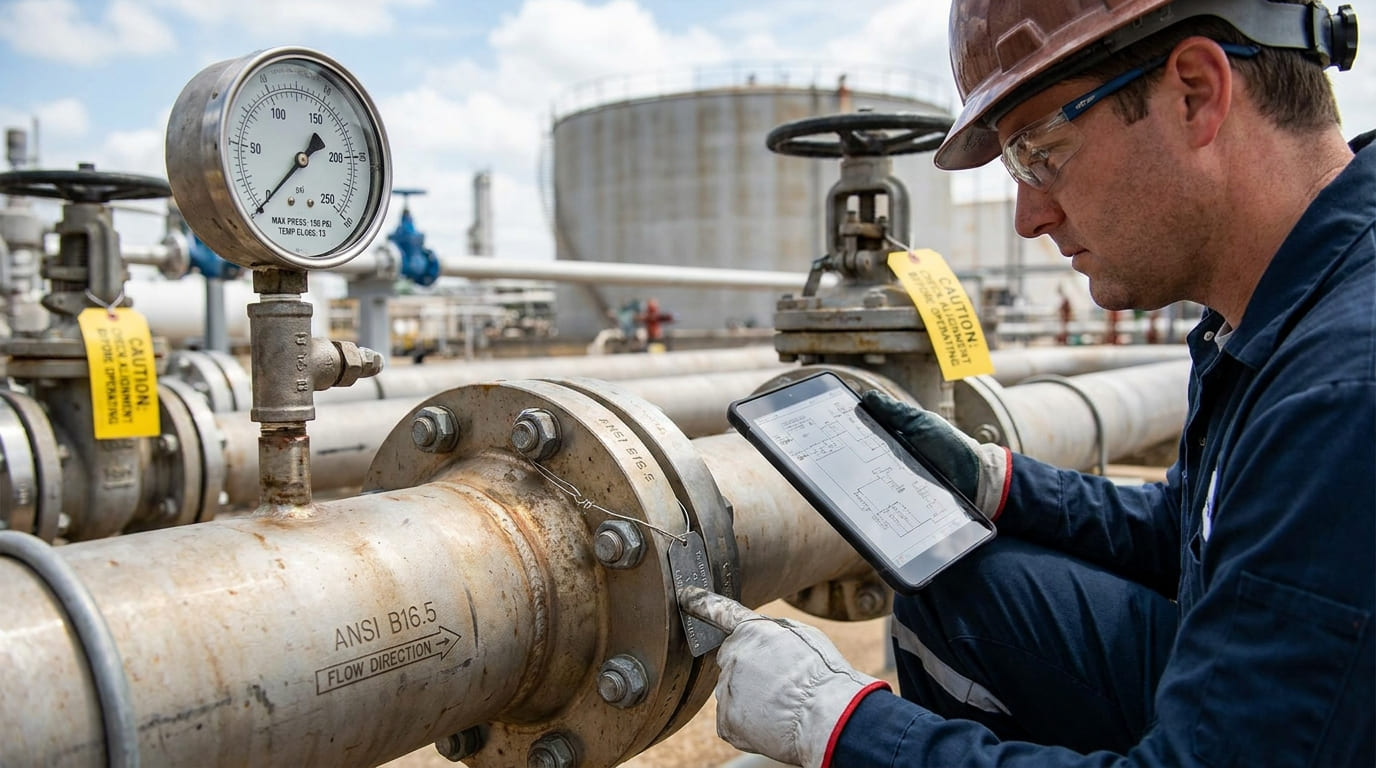
大規模プロジェクトでは, メーターは直径によっては正しく選択されているが、圧力クラスによっては間違っている可能性があります. 漏れが発生する可能性があります, ストレスの問題, またはメンテナンスに関する苦情が繰り返される場合. フランジおよび接続規格についても同様です. 公称サイズは正しく見えるかもしれません. 実際の接続はまだ間違っている可能性があります.
私は圧力評価を第一レベルの決定として扱います. 動作圧力またはサージ状態が、メーターが実際に選択された圧力よりも高い場合, その後、リスクが組み込まれた状態でプロジェクトが開始されます. ISO 4064 の圧力試験フレームワークは、私がこの点を主張する理由の 1 つです. 接続規格も現場の問題として扱います, 絵だけの問題ではない. インターフェースが一致しない場合, インストールが遅れる, そしてメーターは不当に責められるかもしれない.
これは苦情分析から得られる最も明確な教訓の 1 つです: 多くの「品質に関する苦情」は、実際には納入後にのみ現れる仕様に関する苦情です。.
新しいプロジェクトのための段階的な選択ガイド?
水道メーターの苦情を減らす最も安全な方法は、調達を開始する前により良い選択ワークフローを構築することです. 私は常に、後で 1 年間苦情処理を行うよりも、今すぐもう 1 回技術レビューを行うことを好みます。.
実用的な選択ガイドでは、アプリケーションの種類を確認する必要があります, 需要プロファイル, プレッシャー, 温度, 設置方向, 接続寸法, 最終注文リリース前のメーカーの設置要件.
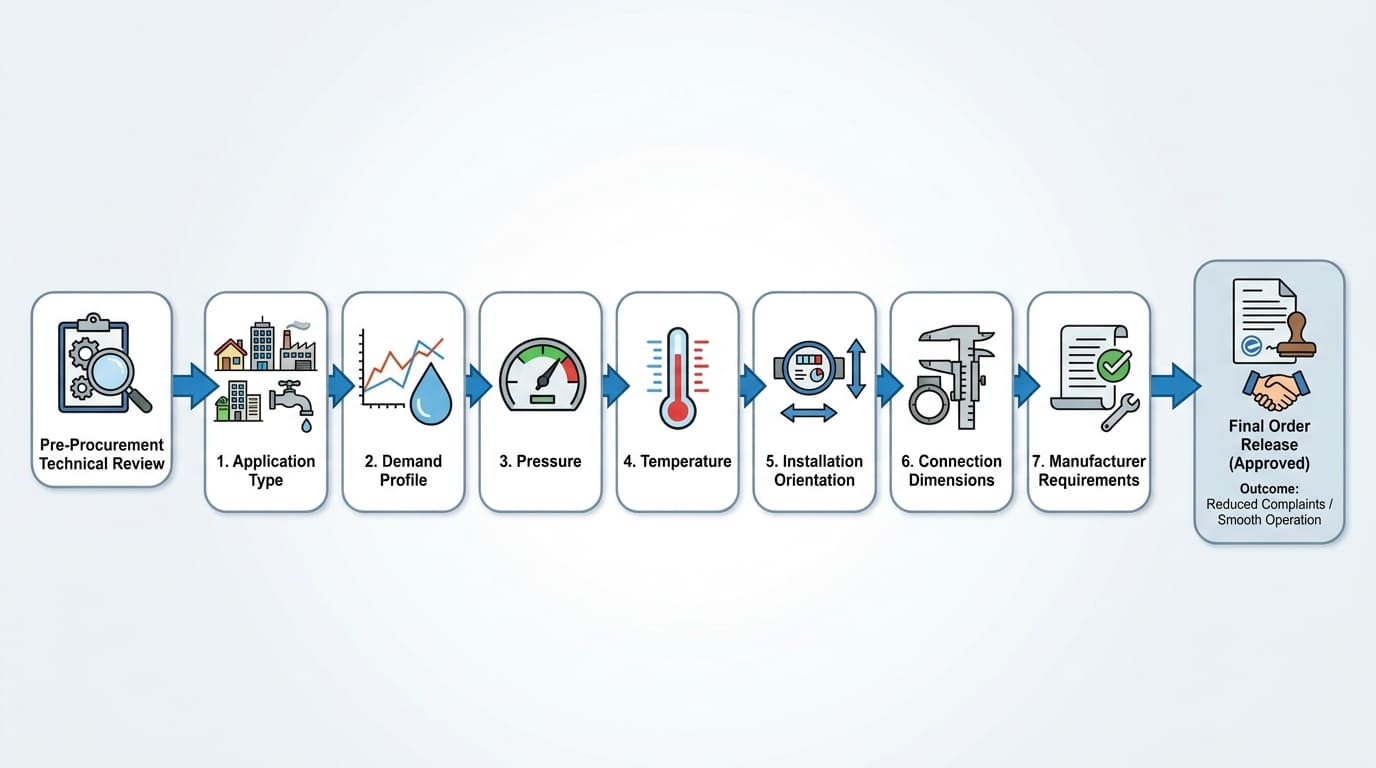
私が推奨する段階的なアプローチは次のとおりです:
1. アプリケーションを明確に定義する
まずはプロジェクトが住宅用かどうかを決めることから始めます, コマーシャル, または工業用. パイプサイズのみを選択基準として使用しないでください。.
2. 実際のフロープロファイルを確認する
サイトに強力な低流量キャプチャが必要かどうかを確認する, ハイピークハンドリング, または両方. 標準の下部および上部流量ゾーンは、流量の挙動が範囲全体で重要であることを思い出させます。.
3. 圧力条件の確認
通常の動作圧力と高圧のリスクを確認します。. 該当する場合は、メーターの最大許容圧力マークを確認してください.
4. 水温クラスの確認
ラインが標準の冷水サービスではない場合, メーターの温度クラスが適切であることを確認してください.
5. 向きと取り付け感度を確認してください
メーターが水平方向に承認されているかどうかを確認します, 垂直, または両方の方向. メーカーの設置要件に従ってください.
6. 接続規格と寸法を確認する
呼び径で止まらないでください. 実際のインターフェースを確認する, ボディアレンジメント, とサイトの互換性.
7. プロジェクト固有の条件を確認する
特殊メータータイプの場合, メーカーが推奨する設置要件に従う必要があります. これは、複雑な商業および産業作業において特に重要です。.
| 選択ステップ | 私が検証すること | なぜそれが重要なのか |
|---|---|---|
| アプリケーションの種類 | 居住の, コマーシャル, または工業用 | 異なる負荷プロファイルには異なるメーターが必要です |
| フロープロファイル | 低流量, ピークフロー, 混合需要 | より優れた精度のフィットをサポート |
| プレッシャー | 動作圧力とピーク圧力 | 早期の高圧的な苦情を防止します |
| 温度 | 実際の水温 | 間違ったクラス選択を回避します |
| 向き | 横置きでも縦置きでも使用可能 | インストールの不一致を防止 |
| 繋がり | サイズとインターフェース規格 | フィールドフィットの問題を回避 |
| 設置ルール | メーカーの要件 | 導入エラーを削減 |
結論
水道メーターの選択を誤ると、後に製品の問題と呼ばれる多くの苦情が発生します。. 私たちの経験では, 隠れた最大の原因は無視される直径ロジック, 圧力定格の不一致, および接続標準エラー, 特に大口径で高圧のプロジェクトでは. チームがアプリケーションの種類を確認する場合, フロープロファイル, プレッシャー, 温度, 向き, と接続規格の早期化, 回避可能な苦情の大部分を防ぐことができます.
信頼できる水道メーターのサプライヤーを探しています?
YOUNIO は DN15 から DN500 までの機械式および超音波式水道メーターを製造しています, MID 認定および ISO に準拠したテスト済み 4064. 資格のあるバイヤーは無料サンプルと工場テストレポートを利用できます.