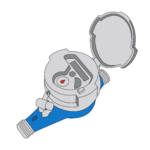

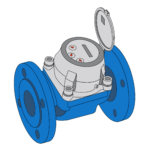


Каково будущее счетчиков воды??
Потеря воды – это не только техническая проблема. Я вижу, что это становится проблемой с выставлением счетов, проблема доверия, и долгосрочные расходы на коммунальные услуги.
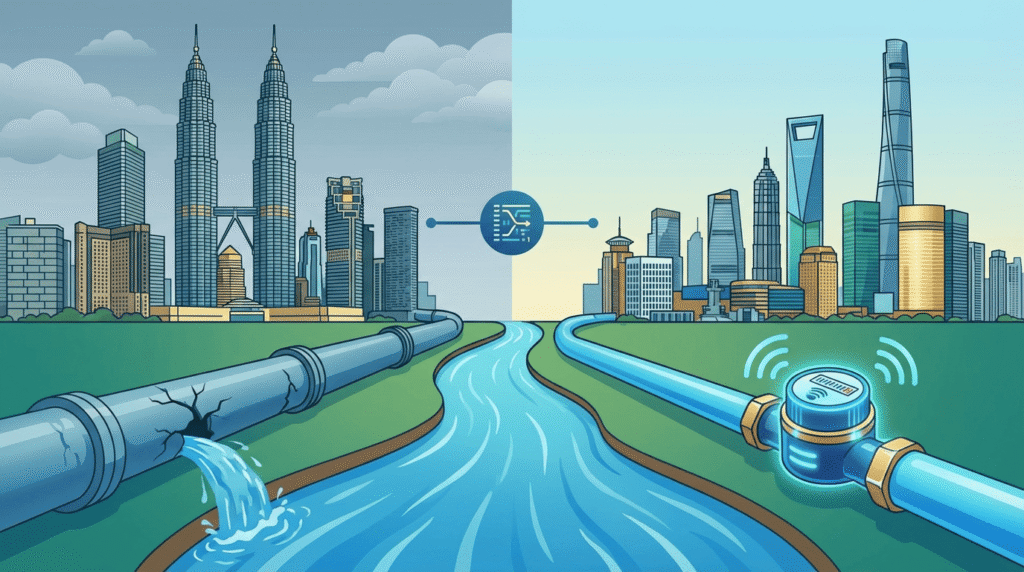
Будущее счетчиков воды переходит от ручного считывания к подключенному, системы, управляемые данными. Я ожидаю АМР, АМИ, IoT счетчики воды, сигналы тревоги, облачные платформы, и полевые данные для совместной работы, чтобы коммунальные предприятия могли сократить потери, улучшить выставление счетов, и управляйте активами с лучшим контролем.
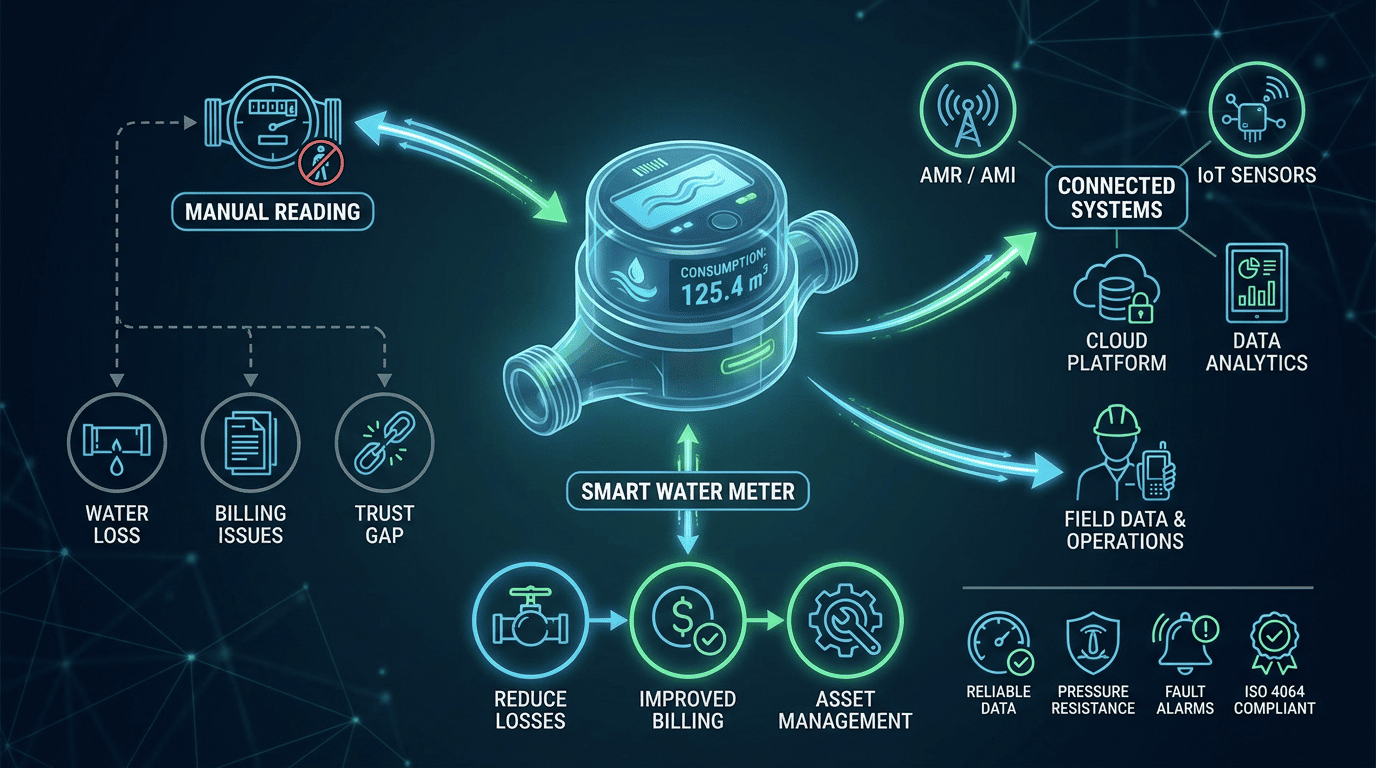
Я не рассматриваю интеллектуальные измерения как простой переход от механического счетчика к цифровому счетчику.. Я рассматриваю это как изменение в том, как утилита читает, чеки, поддерживает, и управляет своей сетью. Умный счетчик все еще должен правильно измерять воду. Он также должен четко отображать данные., сопротивляться давлению, защитить метрологические характеристики, отправлять достоверные данные, и сообщать о неисправностях при необходимости. Iso 4064 также относится к электронным устройствам, указание, удаленное чтение, тестирование, и устойчивость к давлению как важные составляющие производительности счетчика воды, не такие мелкие аксессуары.
Почему необходимо изменить счетчики воды?
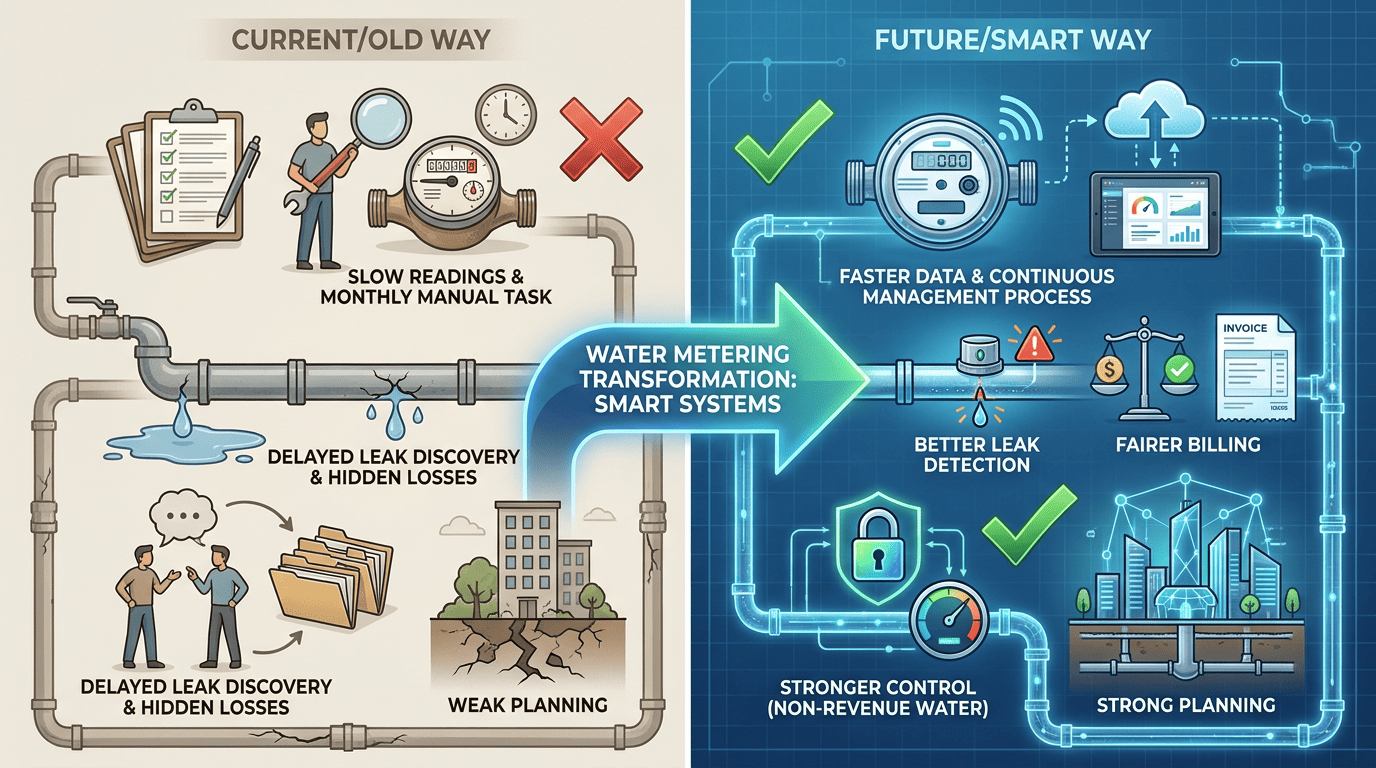
Многие предприятия водоснабжения по-прежнему зависят от медленных показателей, обнаружение утечек с задержкой, и неполные полевые записи. Я вижу, что это вызывает споры, скрытые потери, и слабое планирование.
Учет воды необходимо изменить, поскольку коммунальным предприятиям нужны более быстрые данные, Лучшее обнаружение утечки, более справедливое выставление счетов, и более строгий контроль за недоходной водой. Интеллектуальные системы помогают перевести показания счетчиков из ежемесячной ручной задачи в непрерывный процесс управления..
От считывания показаний счетчиков к управлению данными о воде
Я рассматриваю старый счетчик воды как точку измерения.. Я рассматриваю новый счетчик воды как точку данных.. Эта разница имеет значение. Традиционный счетчик измеряет объем. Интеллектуальный счетчик записывает объем, а также может поддерживать события., сигналы тревоги, коммуникация, и длительная эксплуатация.
Я все еще уважаю механические счетчики. Они просты, проверенный, и полезен во многих проектах. Но многим сетям сейчас нужно больше, чем просто ежемесячный номер.. Им нужны оповещения об утечках. Им нужны предупреждения об аномальном потоке. Им нужна обратная информация. Им нужны данные, которые могут поддержать выставление счетов., обслуживание, и обслуживание клиентов.
Современный ультразвуковой интеллектуальный счетчик может обеспечить широкий диапазон измерений, например Q3/Q1 = R400., сверхнизкий стартовый поток до 0.001 м³/ч, обнаружение утечек, обнаружение сухой трубы, контроль обратного потока, дисплей тревоги, и варианты связи, такие как беспроводной M-Bus и NB-IoT.. Я рассматриваю эти функции как практические инструменты., не маркетинговые слова.
| Старый фокус замера | Будущее измерение фокуса |
|---|---|
| Ручное чтение | Удаленное чтение |
| Номер ежемесячного платежа | Ежедневные или почасовые данные |
| Позднее обнаружение утечек | Более быстрое обнаружение утечек |
| Счетчик как устройство | Счетчик как ресурс данных |
| Базовый дисплей громкости | Объем, поток, тревога, и данные о событиях |
| Реактивное обслуживание | Плановое обслуживание |
Какова роль AMR в существующей системе учета воды??
AMR часто является первым цифровым шагом, но я не рассматриваю это как последний шаг. Это повышает эффективность чтения, но он может не создать полный сетевой интеллект.
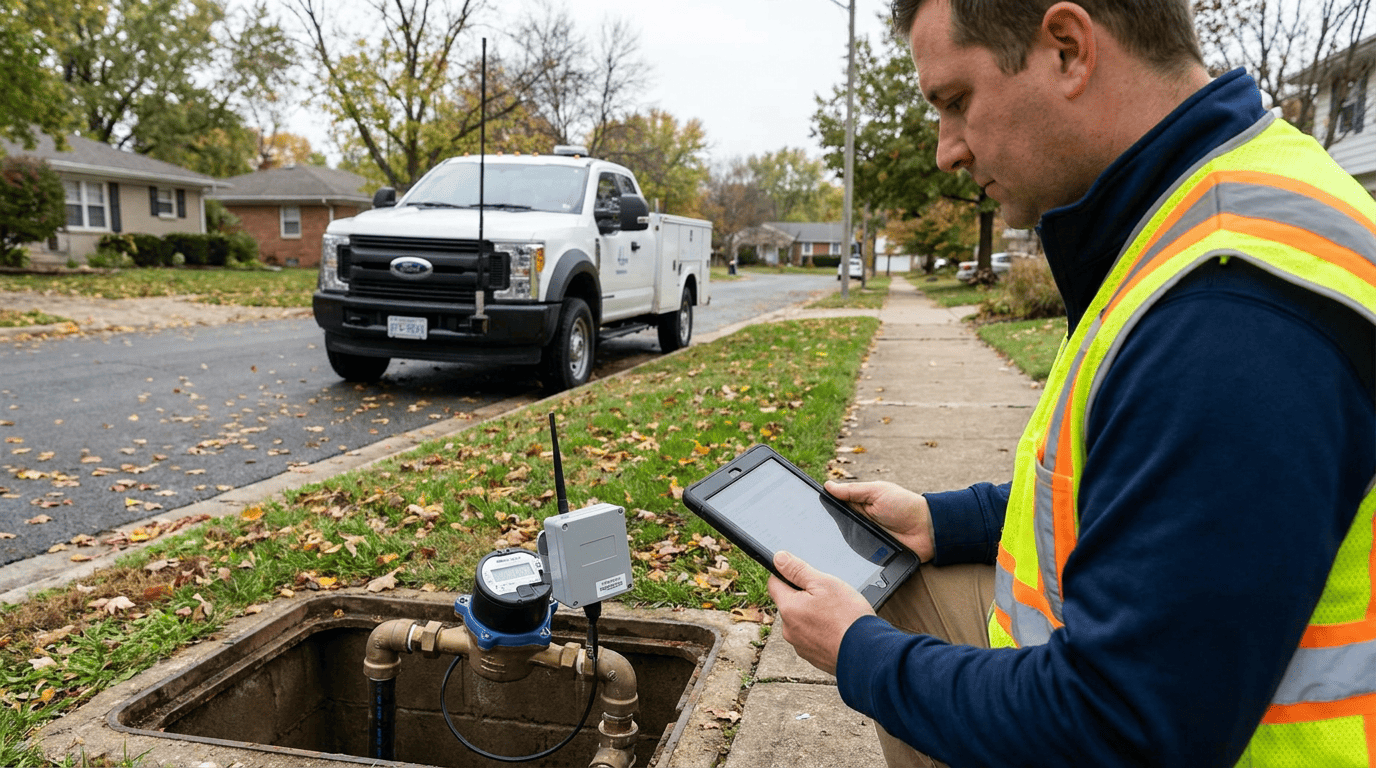
Амр, или автоматическое считывание показаний счетчиков, позволяет коммунальным предприятиям собирать данные счетчиков без считывания каждого счетчика вручную. Это сокращает трудозатраты, улучшает скорость чтения, и снижает вероятность человеческой ошибки, но обычно он обеспечивает меньший двусторонний контроль, чем AMI..
Почему УПП все еще имеет значение
Я рассматриваю AMR как мост между ручным считыванием и усовершенствованным цифровым измерением.. Утилита может начаться с обхода, проезжая мимо, РФ, М-автобус, Лора, или другие способы связи. Основная цель проста. Утилита хочет собирать показания быстрее и с меньшим количеством ошибок.
УПП может снизить стоимость выездов на места. Это также может уменьшить предполагаемые счета.. Это может помочь утилитам создать базовую базу данных для чтения.. Это полезно, когда коммунальное предприятие не готово к полным инвестициям AMI..
Но AMR имеет пределы. Многие системы AMR в основном поддерживают одностороннее чтение.. Они могут не предоставлять данные с частыми интервалами.. Они могут не поддерживать расширенные сигналы тревоги в режиме реального времени.. Они также могут зависеть от местных маршрутов чтения.. Так что я не спрашиваю, «УПП — это хорошо или плохо?Я спрашиваю, «Соответствует ли AMR текущей цели коммунального предприятия??”
| Сила УПП | Ограничение УПП |
|---|---|
| Снижение нагрузки на чтение вручную | Может не обеспечивать понимание в реальном времени |
| Повышенная точность чтения | Может все еще потребоваться чтение маршрутов |
| Более быстрый цикл выставления счетов | Ограниченное управление сигнализацией в некоторых системах |
| Меньшие первоначальные инвестиции, чем при полном AMI | Менее полезен для активного управления сетью. |
Почему АМИ становится основным направлением?
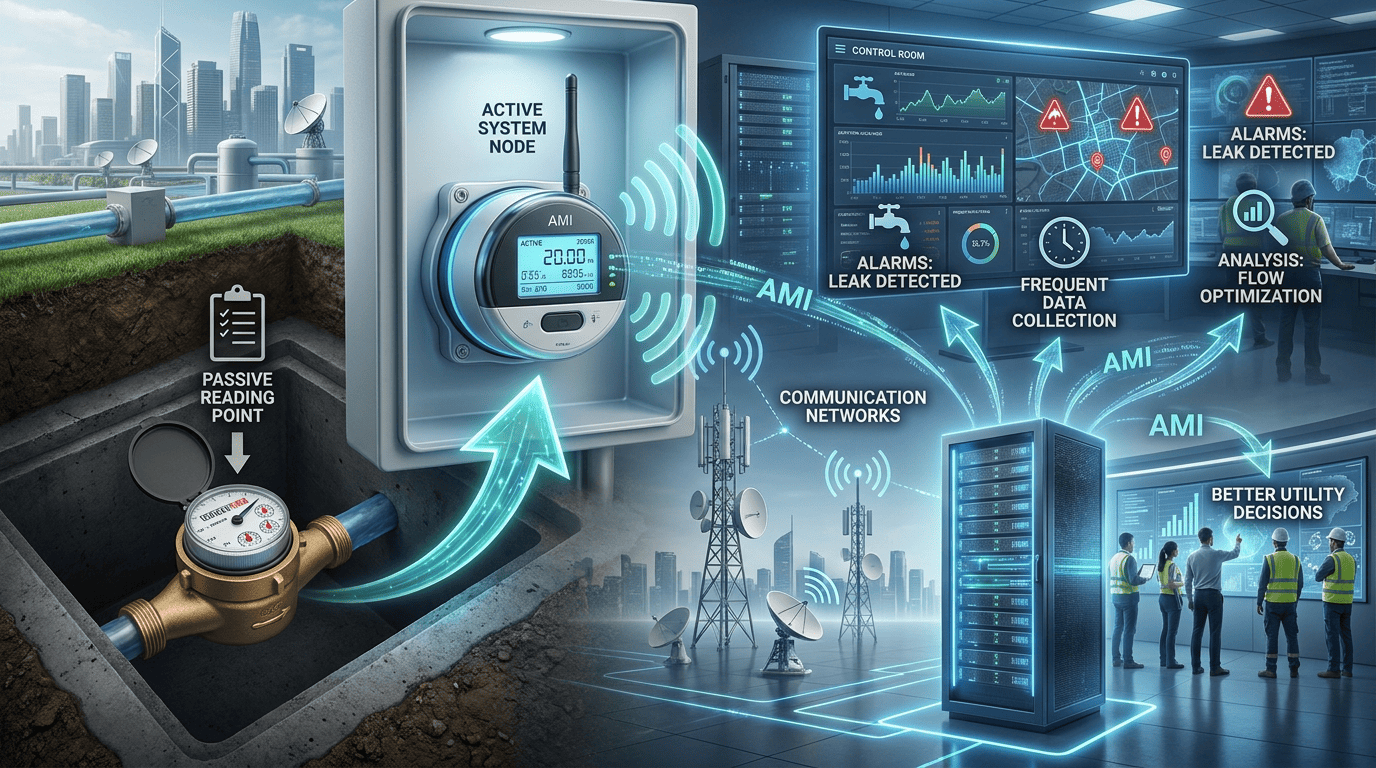
AMI превращает счетчик из пассивной точки считывания в активный системный узел.. Я рассматриваю это как настоящий сдвиг в будущем измерении воды..
АМИ, или развитая инфраструктура учета, соединяет счетчики, сети связи, и платформы управления. Он поддерживает более частый сбор данных, сигналы тревоги, анализ, и лучшие коммунальные решения.
АМИ — это не только система связи
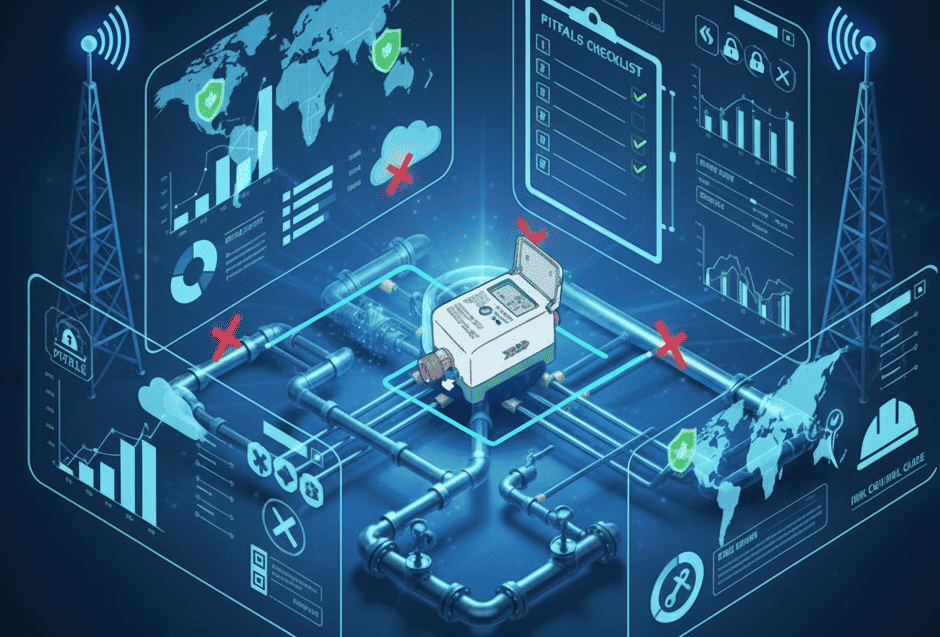
Я не определяю АМИ только как коммуникационную технологию.. Nb-iot, Лораван, беспроводной M-Bus, и другие сети являются лишь частью системы. AMI также включает счетчик, модуль связи, платформа данных, правила тревоги, процесс обслуживания, и люди, которые используют данные.
A good AMI project should help a utility answer clear questions. Where is abnormal night flow happening? Which meters stopped reporting? Which area has possible leakage? Which customer has unusual consumption? Which meter shows dry pipe or reverse flow?
The meter hardware still matters. Iso 4064 states that connections between electronic parts, such as the measurement transducer, калькулятор, and indicating device, must be reliable and durable. I read this as a reminder that smart metering depends on both communication and stable internal design.
| AMI layer | Что я проверяю |
|---|---|
| Метр | Точность, номинальное давление, display, батарея, уплотнение |
| Коммуникация | Nb-iot, Лораван, беспроводной M-Bus, signal strength |
| Platform | Data visibility, сигналы тревоги, asset mapping |
| Field process | Установка, activation, commissioning |
| Utility workflow | Billing, обслуживание, обслуживание клиентов |
| Risk control | Data security, record keeping, failure response |
What Makes a Smart Water Meter Truly Smart?
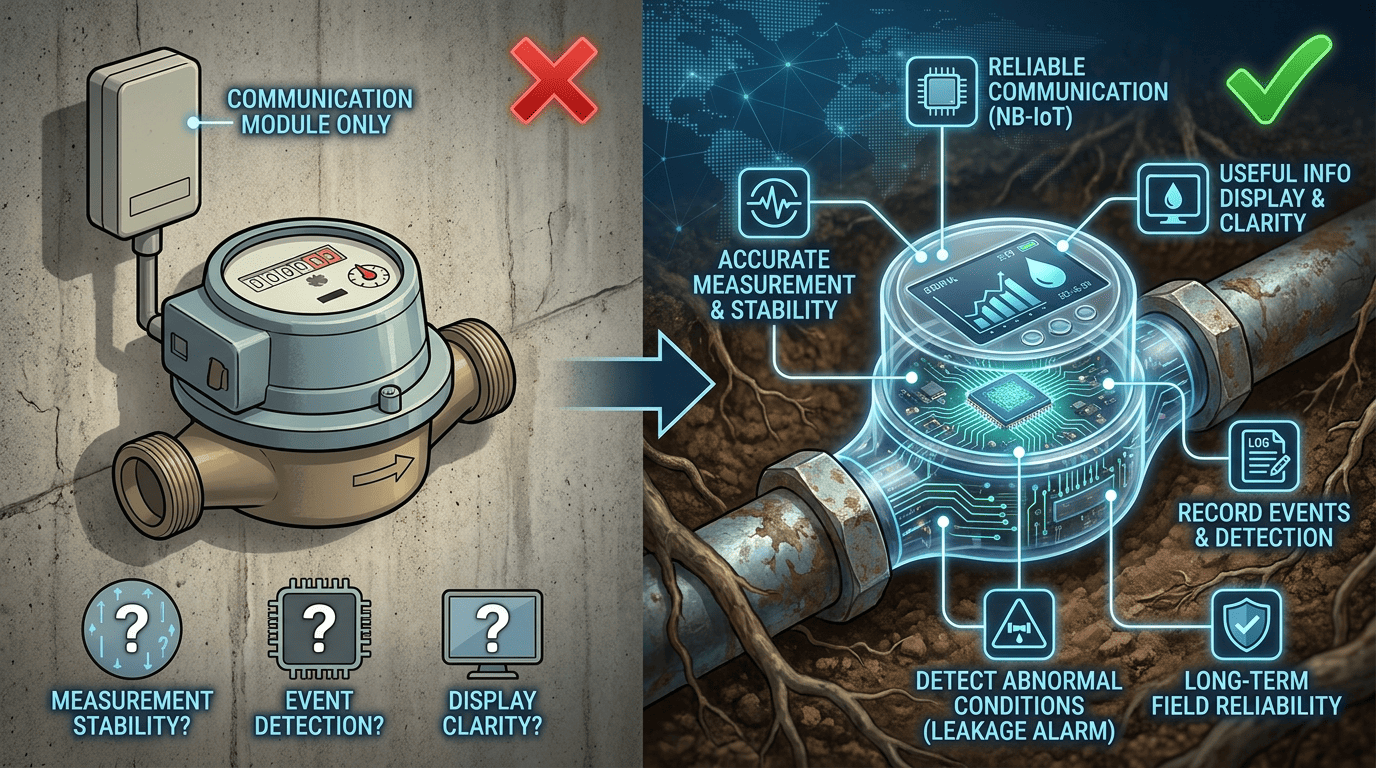
A meter is not smart only because it has a communication module. Мне нужна стабильность измерений, обнаружение событий, четкость дисплея, и эксплуатационная надежность.
Умный счетчик воды должен измерять точно, надежно общаться, отображать полезную информацию, записывать события, обнаружить аномальные условия, и поддержка долгосрочной эксплуатации в реальных полевых условиях.
Умный значит измеримый, читаемый, и диагностируемый
Я вижу три уровня значения умного счетчика. Первый уровень – измерительный.. Счетчик должен правильно измерять воду. Второй уровень – общение.. Счетчик должен отправлять данные в систему. Третий уровень – диагностика.. Счетчик должен помочь коммунальному предприятию понять, что происходит на местах..
Ультразвуковые интеллектуальные счетчики YOUNIO не имеют изнашиваемых частей., долгосрочная стабильность, больше, чем 10 лет автономной работы, Защита от погружения IP68, обнаружение утечек, обнаружение сухой трубы, двунаправленное измерение расхода, и большой ЖК-дисплей, показывающий совокупный объем, мгновенный расход, и информация о тревогах. Я считаю эту комбинацию важной, поскольку надежность эксплуатации зависит от более чем одной функции..
Дисплей тоже имеет значение. Iso 4064 утверждает, что показывающее устройство должно непрерывно отображать объем, периодически, или по требованию, и что он должен быть легко доступен для чтения. Это означает, что местное чтение по-прежнему важно., даже если существует удаленное чтение.
| Функция интеллектуального счетчика | Практическая ценность |
|---|---|
| Широкий диапазон измерения | Улучшенный захват при низком расходе |
| Низкий пусковой расход | Лучшая видимость утечек |
| Защита IP68 | Улучшенная производительность камеры |
| Длительное время автономной работы | Снижение нагрузки на техническое обслуживание |
| Индикация сигналов тревоги | Ускоренная полевая диагностика |
| NB-IoT или беспроводная связь | Удаленное чтение и мониторинг |
| Обнаружение обратного потока | Улучшенный анализ несанкционированного доступа и сетевой анализ |
| Обнаружение сухой трубы | Улучшенный контроль аномального статуса |
Как Интернет вещей меняет счетчики воды?
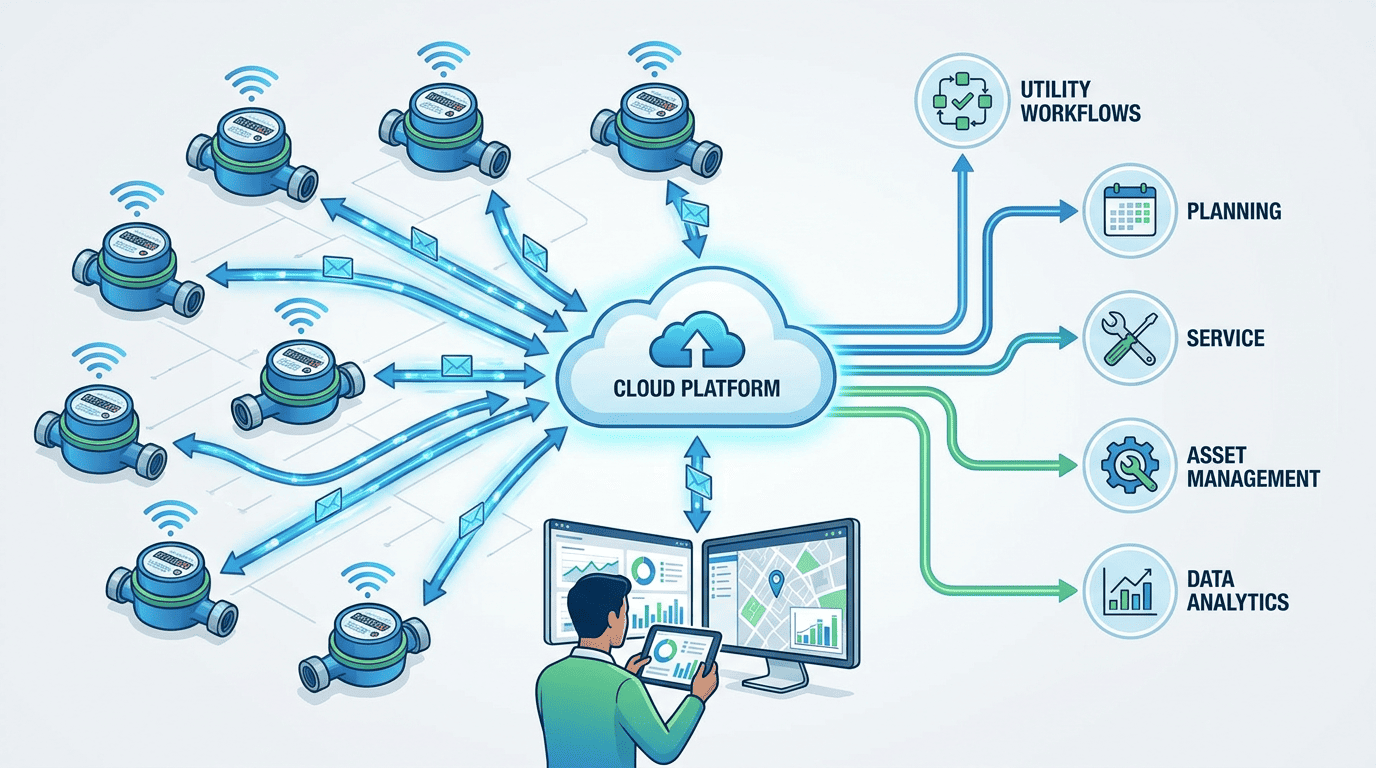
Интернет вещей делает счетчики воды частью более крупной операционной системы. Я рассматриваю это как момент, когда данные счетчиков становятся полезными для планирования., услуга, и управление активами.
Учет воды через Интернет вещей подключает счетчики к облачным платформам и рабочим процессам коммунальных предприятий.. Это позволяет данным передаваться от счетчика к людям и системам, которые в них нуждаются..
Интернет вещей превращает события на местах в сигналы управления
Я не думаю, что Интернет вещей ценен только потому, что он современен.. Я думаю, что это ценно, потому что позволяет сделать полевые события видимыми.. Утечку больше не обнаруживают только после жалобы. Остановленный счетчик больше не скрыт до следующего цикла выставления счетов.. Сухая труба может стать системным сигналом тревоги. Событие обратного потока может стать причиной необходимости технического обслуживания..
Вот почему важно сообщать о неисправностях. Iso 4064 requires that when a water meter transmits data to peripheral equipment, the transmission must be accompanied by a message that indicates the presence of a fault when a fault exists. I see this as a key principle for smart metering. Data should not look valid when the meter is reporting a problem.
The system also needs secure alarm transmission when measured values are repeated at a remote station. This is important because a utility may make billing or maintenance decisions based on remote data. If the alarm is lost, the decision can be wrong.
| IoT function | Utility benefit |
|---|---|
| Remote data upload | Less manual reading |
| Alarm transmission | Faster issue response |
| Event recording | Better dispute handling |
| Consumption trend | Better demand analysis |
| Состояние батареи | Better service planning |
| Cloud dashboard | Better management visibility |
Каких выгод следует ожидать коммунальным предприятиям от будущего учета воды?
Я ожидаю, что в будущем система учета улучшит выставление счетов., уменьшить потерю воды, поддерживать сохранение, и сделать обслуживание клиентов более обоснованным.
Будущие счетчики воды могут обеспечить более точные данные для выставления счетов, более быстрое обнаружение утечек, меньшая стоимость чтения, более строгий контроль над активами, и более четкая информация о потреблении как для коммунальных предприятий, так и для потребителей.
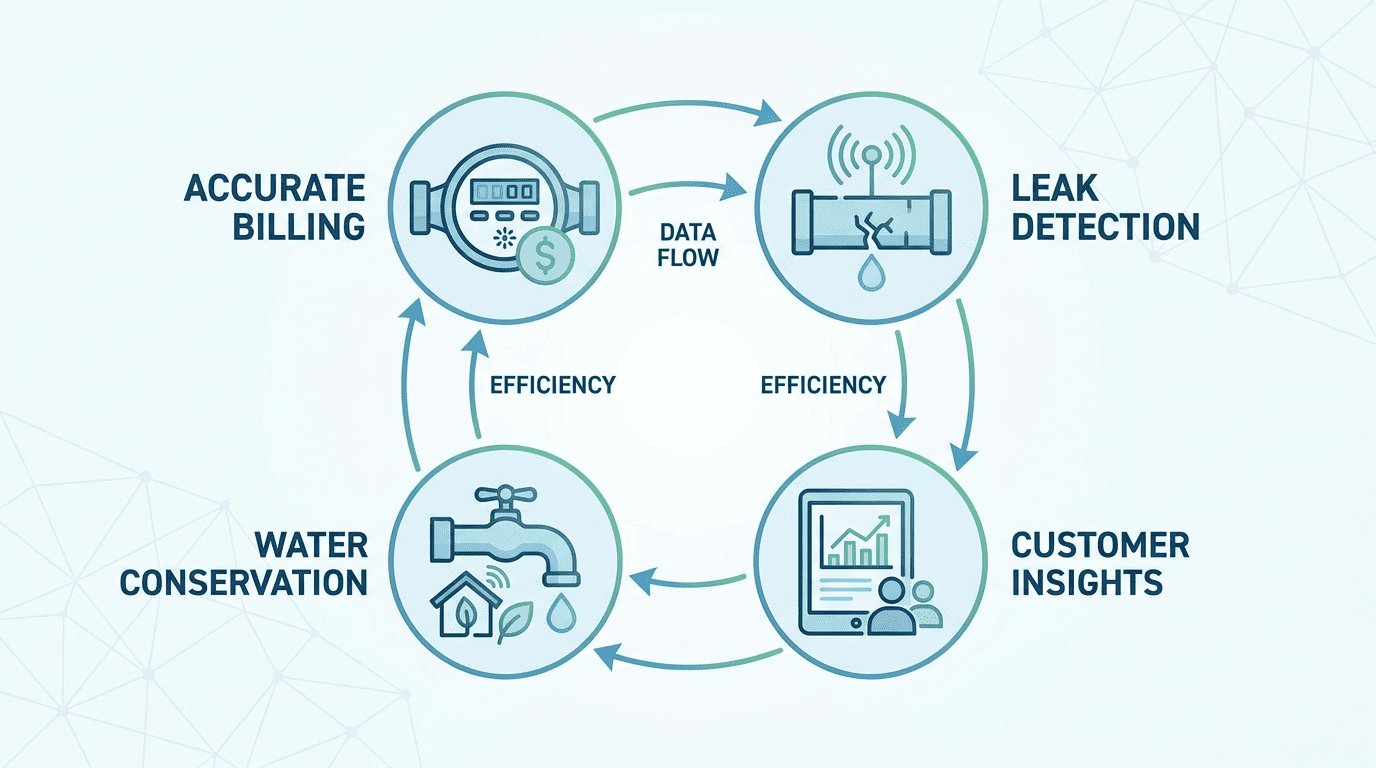
Лучшие данные создают лучшие решения
Я всегда напоминаю проектным группам, что интеллектуальные измерения сами по себе не создают ценности.. Ценность возникает, когда утилита использует данные. Платформа, полная непрочитанных сигналов тревоги, неразумна. Панель управления, которую никто не проверяет, не умна. Измеритель, который загружает данные, но не имеет рабочего процесса обслуживания, имеет ограниченную ценность..
Когда рабочий процесс понятен, преимущества становятся реальными. Команда по выставлению счетов может уменьшить расчетные показания.. Группа технического обслуживания может быстрее обнаруживать скрытые неисправности. Команда обслуживания клиентов может объяснить необычные счета с помощью данных.. Группа планирования может видеть тенденции спроса по регионам.. Команда NRW может сравнить модели потребления и сигналы об утечках..
Iso 4064 методы тестирования также напоминают мне, что тестирование производительности основано на записанных значениях., размеры, и наблюдения. Я применяю ту же идею к проектам. Если коммунальное предприятие хочет получить долгосрочную выгоду, он должен записать данные установки, данные сигнала, данные ввода в эксплуатацию, сигналы тревоги, и история обслуживания.
| Выгода | Что делает это реальным |
|---|---|
| Более справедливый биллинг | Точные данные счетчиков и правильное отображение |
| Нижний Северный Рейн-Вестфалия | Обнаружение утечек и анализ потребления |
| Более низкая стоимость чтения | Удаленный сбор данных |
| Лучшее обслуживание | Журналы сигналов тревоги и событий |
| Лучшее обслуживание клиентов | Очистить записи о потреблении |
| Лучшее планирование | Данные о тенденциях на уровне территории |
Какие проблемы могут остановить проекты интеллектуальных измерений?
Я вижу, что многие проблемы с интеллектуальными счетчиками начинаются еще до установки.. Товар может быть хорошим, но процесс проекта может быть слабым.
Проекты интеллектуальных измерений могут потерпеть неудачу из-за неправильных спецификаций, плохая проверка сигнала, слабый контроль установки, неясный ввод в эксплуатацию, высокое ценовое давление, и слабое планирование безопасности данных.
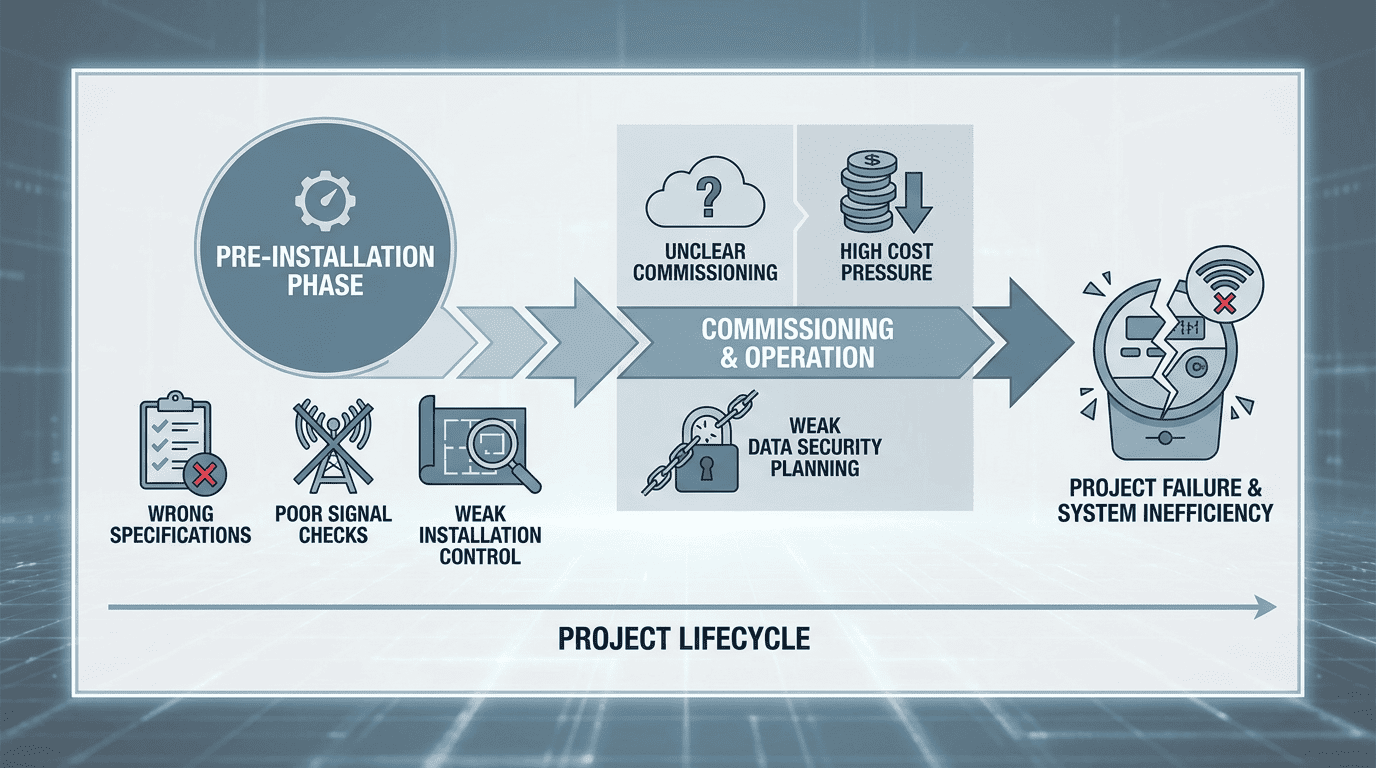
Самые большие риски обычно носят практический характер.
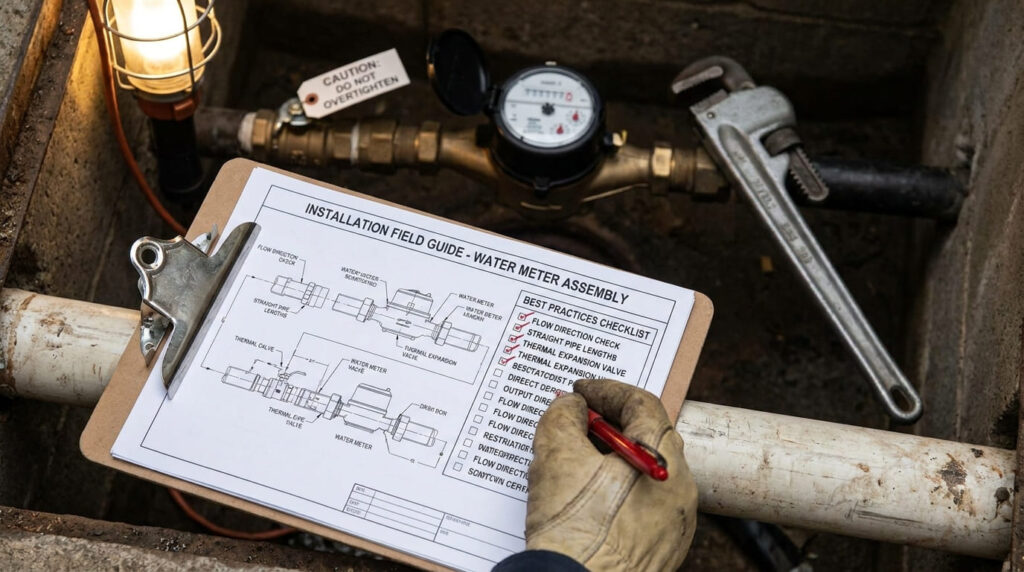
Я видел, как команды слишком много внимания уделяли протоколу связи и слишком мало — основам.. Они забывают стандарты связи. Они пропускают проверки давления. Они не подтверждают сигнал внутри камер. Они не записывают первоначальные показания.. Они не правильно сопоставляют серийные номера с номерами.. Они не обучают команду технического обслуживания..
Давление — это один из основных факторов, который нельзя игнорировать.. Iso 4064 требуется счетчик воды, чтобы выдержать 1.6 раз максимально допустимое давление для 15 минут и удвоенное максимально допустимое давление для 1 минута без утечек и повреждений. Я использую это как напоминание о том, что интеллектуальные счетчики по-прежнему являются прежде всего гидравлическими изделиями..
Условия установки и тестирования также имеют значение.. Iso 4064 В описания тестовой установки включено водоснабжение, трубопровод, устройства регулирования расхода, запорные клапаны, измерение температуры, измерение давления, и другие устройства, используемые для проверки потока, продолжительность цикла, и количество циклов. В той же ссылке также указано, что из счетчиков и соединительных труб следует соответствующим образом удалить воздух.. Я рассматриваю это как четкое предупреждение для полевых команд.. Воздух, плохой трубопровод, и неправильный ввод в эксплуатацию может привести к снижению производительности.
| Риск проекта | Контрольное действие |
|---|---|
| Неправильный фланец или резьба. | Утвердить чертежи перед заказом |
| Слабый сигнал | Тестовый сигнал перед установкой |
| Гидравлический удар | Медленно откройте клапаны |
| Воздух в трубе | Удаление воздуха при вводе в эксплуатацию |
| Плохое сопоставление данных | Идентификатор счетчика совпадений, комната, и запись платформы |
| Потерянные сигналы тревоги | Проверьте передачу сигнала тревоги |
| Слабый план обслуживания | Определение проверки и проверки батареи |
Как покупателям следует выбирать правильный счетчик, готовый к будущему?
Я не выбираю счетчик только по цене. Я выбираю по приложению, риск, путь сертификации, потребность в данных, и техническое обслуживание реальности.
Покупатели должны выбирать счетчики воды, соответствующие типу счетчика., диапазон расхода, номинальное давление, уровень защиты, метод связи, среда установки, и платформа должна соответствовать реальному проекту.
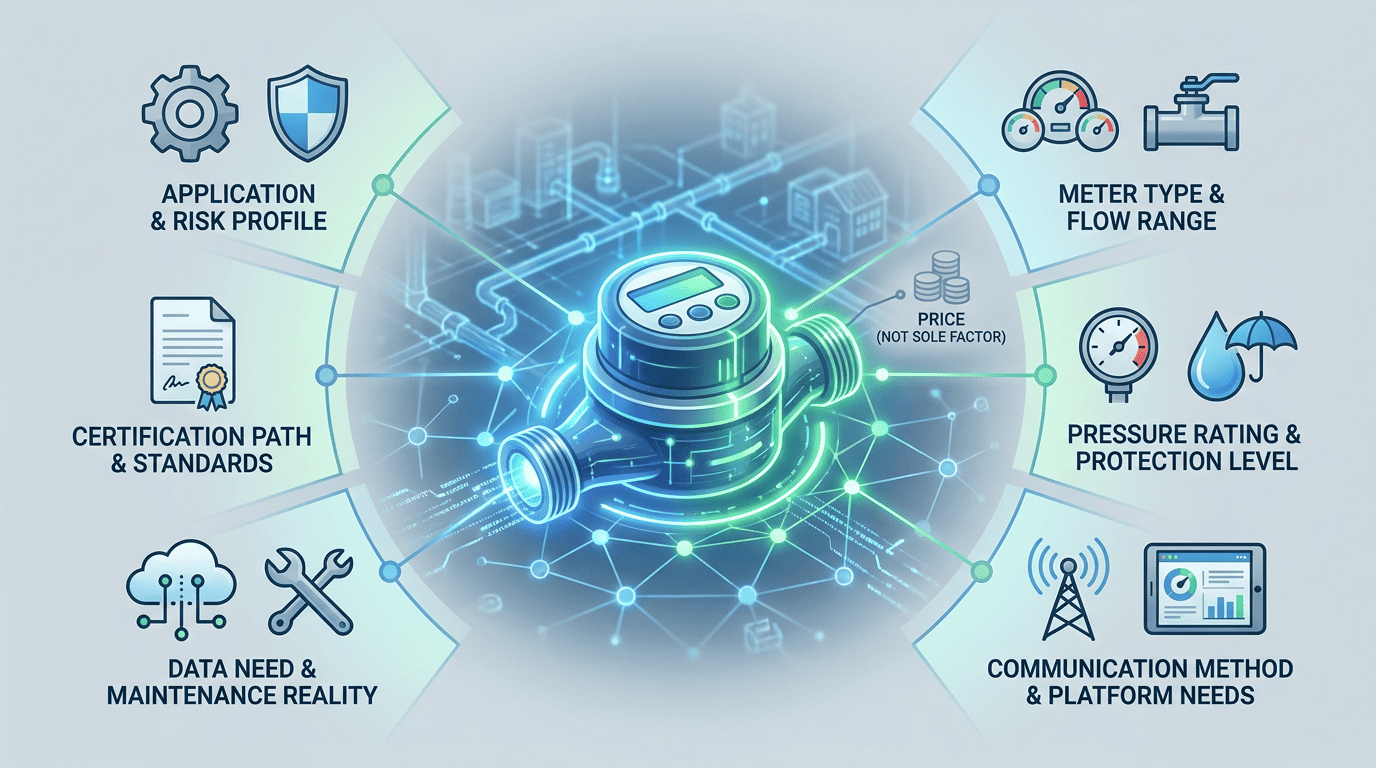
Правильный счетчик — это счетчик, который соответствует проекту
Проекту жилой квартиры могут потребоваться компактные счетчики, сильная чувствительность к низкому расходу, и простое сопоставление платформ. Промышленному объекту могут потребоваться большие размеры, более высокая уверенность в давлении, и сильные рекорды соревнований. Затопленной камере может потребоваться защита IP68.. Для общегородского проекта может потребоваться длительное время автономной работы и стабильная связь..
Для ультразвукового учета в жилых домах, Я обращаю внимание на измерение широкого диапазона, низкий пусковой расход, срок службы батареи, варианты связи, дисплей тревоги, обнаружение утечек, обнаружение сухой трубы, и измерение обратного потока. Эти функции помогают, когда коммунальному предприятию нужны как данные о выставлении счетов, так и оперативная информация..
Я также проверяю, влияют ли аксессуары для дистанционного считывания на измерения.. Iso 4064 позволяет использовать устройства дистанционного считывания, если это разрешено национальным законодательством., но добавление таких устройств не должно изменять метрологические характеристики счетчика.. Эта фраза очень важна. Устройство связи должно поддерживать счетчик., не менять способ измерения.
| Элемент выбора | Вопрос, который я задаю |
|---|---|
| Диапазон расхода | Счетчик фиксирует низкий расход?? |
| Давление | Соответствует ли это состоянию сети?? |
| Защита | Сможет ли он выжить в камере? |
| Коммуникация | Работает ли сигнал на сайте? |
| Отображать | Может ли полевая группа проверить показания?? |
| Сигнализация | Может ли он показать утечку, сухая труба, или обратный поток? |
| Батарея | Соответствует ли план обслуживания сроку службы батареи?? |
| Platform | Может ли утилита легко использовать данные? |
Каков мой практический взгляд на будущее?
Я не верю, что будущее счетчиков воды за смарт-устройствами. Я считаю, что речь идет о более эффективных решениях, основанных на лучших полевых данных..
Будущее счетчиков воды будет сочетать в себе точные счетчики, надежная связь, облачные платформы, логика сигнализации, полевая дисциплина, и долгосрочное обслуживание.
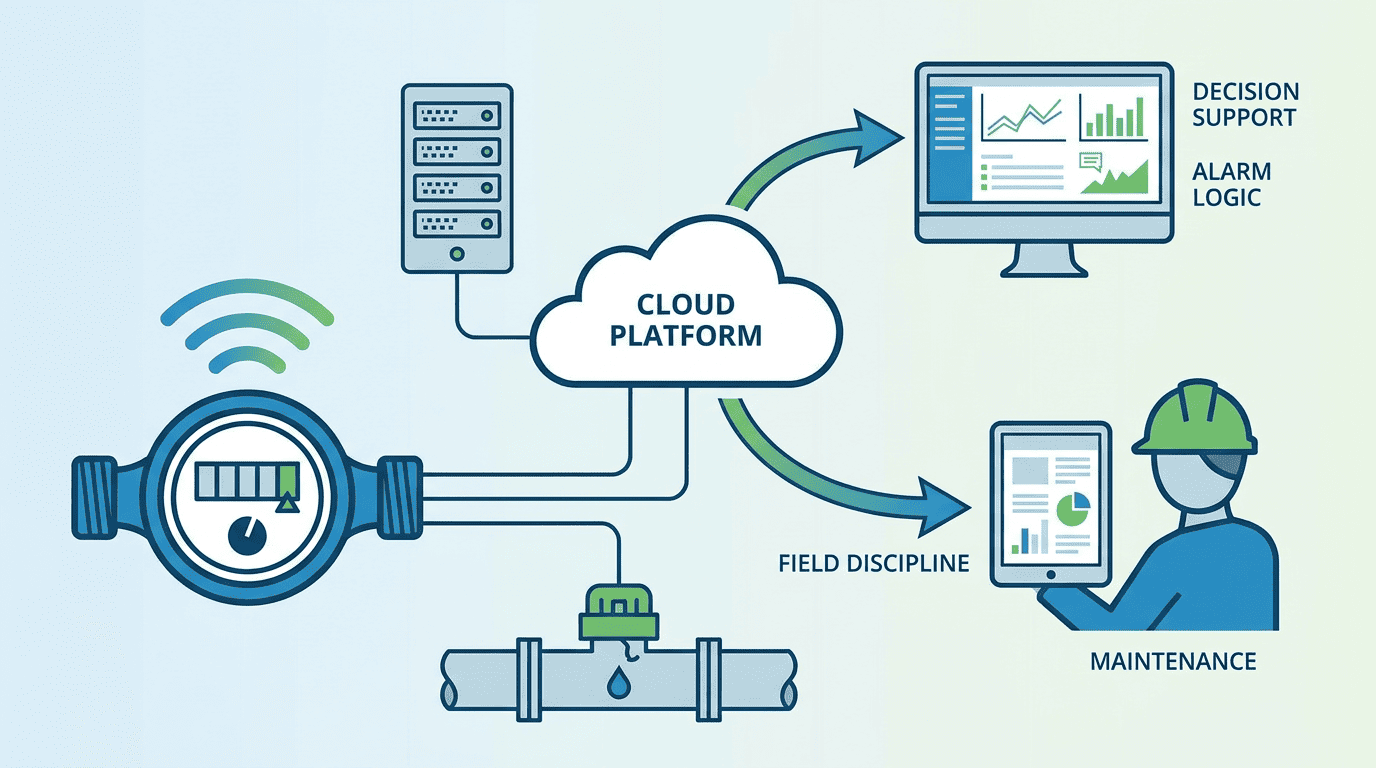
Умный учет – это система, не ярлык
Я вижу самое сильное будущее в системах, объединяющих инженерные решения., выставление счетов, обслуживание, и обслуживание клиентов. Счетчик сам по себе не может решить проблему NRW. Одна только платформа не может устранить утечку. Модуль связи сам по себе не может улучшить биллинг. Вся система должна работать вместе.
Хороший проект по измерению воды, готовый к будущему, начинается с правильного выбора продукта.. Продолжается проверка сайта. Это зависит от чистой установки. Становится полезным после ввода в эксплуатацию. Он создает долгосрочную ценность только тогда, когда утилита использует данные..
Именно поэтому я отношусь к интеллектуальному учету воды как к техническому проекту и как к управленческому проекту.. Техническая сторона требует точности дозирования, сопротивление давлению, надежная электроника, правильное отображение, защищенная связь, и записанные тестовые данные. Руководству необходимы четкие рабочие процессы, обученные люди, владение данными, и ответственность за обслуживание.
Если проектной команде нужен только более дешевый счетчик, Я могу только снизить стоимость покупки. Если проектная группа хочет улучшить систему учета, Я могу помочь снизить риск жизненного цикла.
Заключение
Будущее счетчиков воды связано, управляемый данными, и практичный. Я вижу лучшие результаты, когда умные счетчики, коммуникация, установка, commissioning, и работы по техническому обслуживанию как одна система.
У вас есть проект, который требует правильной спецификации счетчика?
Отправьте свои требования — размер трубы, профиль потока, тип приложения, местный центр сертификации и протокол связи — напрямую Леону. We’ll review and respond within 24 часов с письменной технической рекомендацией.
Умные счетчики YOUNIO: Ду15–Ду500 | Nb-iot, Лора, М-автобус
Сертификаты: СРЕДНИЙ Б+Д (Чешский CMI) | НФС/АНСИ 61+372 | Кондиционер (Франция)
📧 leon@younio.com | 📱Ватсап: +86-13666800173